 (+91) 9445444862
 Info@indbiz.in


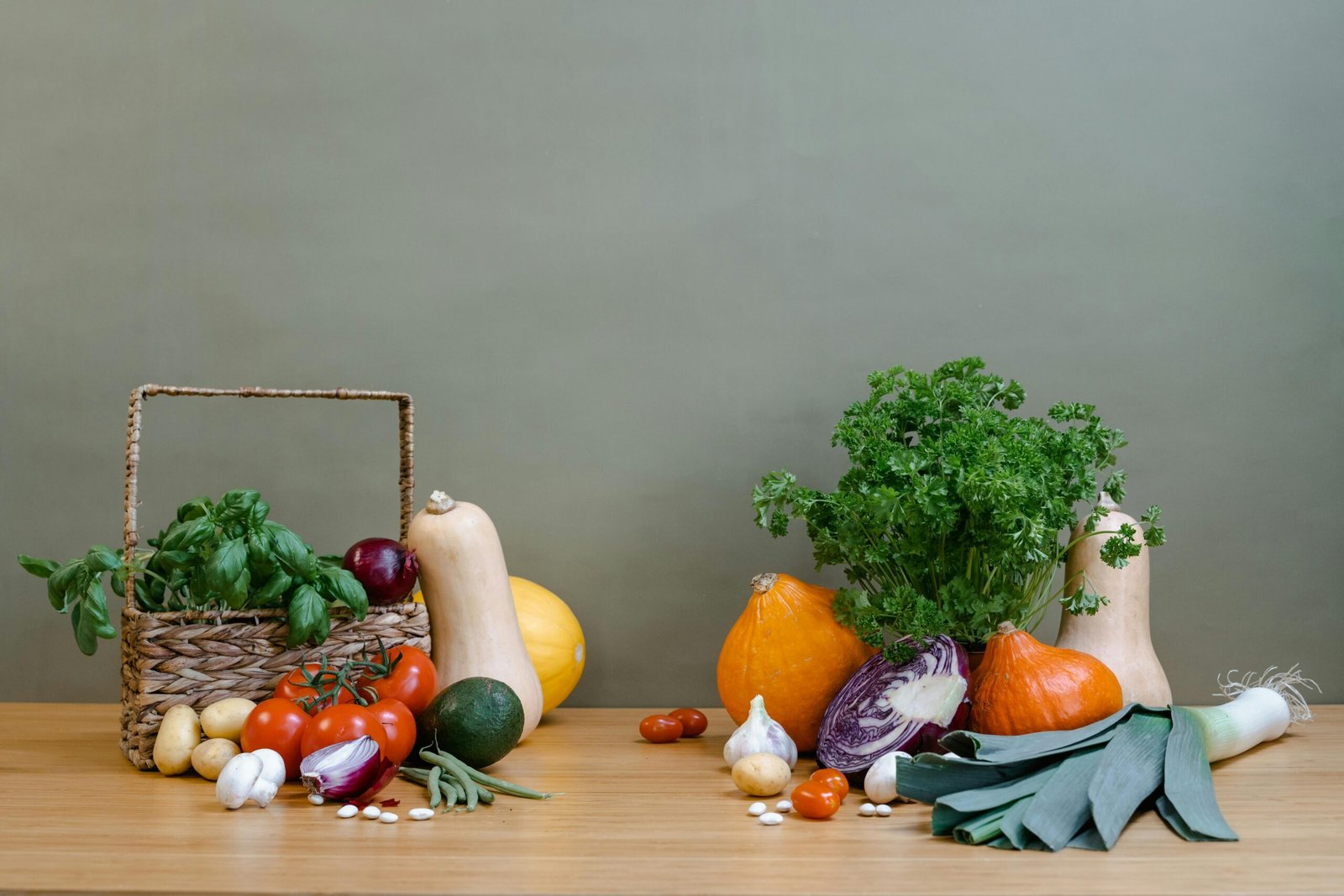
There is something my grandmother used to say every time she came back from the market. She would spread her vegetables on the kitchen counter, look at them with genuine satisfaction, and say — “jo mausam mein aata hai, wohi seedha shareer mein jaata hai.” Roughly translated: whatever the season brings, that is what goes straight into the body and works.
At the time, it sounded like the kind of old-fashioned wisdom that grandmothers just carry around like a handbag. But the older I get, and the more I understand about food and nutrition, the more I realise she was not being poetic. She was being precise.
We have somehow moved into an era where every vegetable is available every month of the year. Walk into any large supermarket in Chennai, Pune, or Delhi in the middle of summer, and you will find cauliflower, peas, and methi sitting in the refrigerated section — vegetables that have no business being there in May. They have been grown in cold storage, transported across states, kept artificially fresh, and sold to us as though the calendar does not exist. We buy them because we can. And we have completely forgotten why it ever mattered which month we were in.
This article is about that forgetting. And about why going back to seasonal eating — something our grandparents never had to be told to do because it was simply how life worked — is one of the most genuinely useful things you can do for your health, your digestion, your budget, and honestly, your cooking.
What “Seasonal” Actually Means in an Indian Context
Before anything else, it is worth being clear about what seasonal vegetables actually means in India, because this country is not a single climate. What is in season in Tamil Nadu in January is different from what is growing in Punjab at the same time. The Western Ghats, the Deccan Plateau, the Indo-Gangetic plains, the coastal regions — each has its own growing cycles shaped by rainfall, temperature, and soil.
That said, there are broad seasonal patterns that most of the country shares, roughly aligned with the three main seasons — winter, summer, and monsoon. Winter, which runs from around November to February, is genuinely the richest season for vegetables. You get leafy greens in abundance — spinach, fenugreek, mustard leaves, bathua. Root vegetables like carrots, radishes, and turnips are at their best. Cauliflower, peas, and broccoli all belong to this window. This is the season when eating well is almost effortless if you simply follow what the market is naturally offering.
Summer, from March through June, brings a different but equally useful set. Bitter gourd, ridge gourd, bottle gourd, snake gourd, raw mango, drumstick, and cluster beans dominate. These are not glamorous vegetables. Nobody is making Instagram posts about ridge gourd. But they are deeply aligned with what the body actually needs in hot weather — light, easy-to-digest foods that do not generate excess internal heat and help the body stay cool.
Monsoon brings its own short but important list — raw turmeric, colocasia, yam, and various local varieties of gourds. Leafy greens become risky in monsoon because of bacterial contamination risks in wet conditions, which is why traditional Indian diets naturally moved away from them during this season. That was not coincidence or superstition. It was pattern recognition built across generations.
The Nutrition Argument — And It Is a Strong One
Here is something that does not get discussed enough. A vegetable picked at peak ripeness and sold within days contains significantly more nutrients than the same vegetable grown out of season, harvested early to survive long transportation, kept in cold storage, and then displayed under fluorescent lights for another week.
Vitamin C, folate, and several B vitamins are particularly vulnerable to degradation over time and with temperature fluctuation. A study tracking spinach found that it can lose a substantial portion of its folate content within just a few days of harvesting, depending on storage conditions. When you buy spinach in peak winter from a local vendor who sourced it from a nearby farm that morning, you are getting something nutritionally different — and better — than spinach that has travelled 800 kilometres in a refrigerated truck in the middle of July.
This is not a small difference. For families that rely on vegetables as their primary source of micronutrients — which describes the majority of Indian vegetarian households — the actual nutrient density of what they are eating matters considerably. Eating more of a nutritionally depleted vegetable does not fully make up for that loss.
Seasonal vegetables are also typically grown with fewer chemical interventions. Out-of-season crops require more pesticides, more artificial growth regulators, and more post-harvest chemicals to maintain appearance and shelf life. In-season vegetables, grown in their natural climate window, need less external support to thrive. This translates directly into lower chemical residue on what ends up on your plate.
The Digestion Connection That Most People Miss
There is a logic to seasonal eating that goes beyond just nutrients. It extends into how the body itself changes across seasons and what it needs to function well.
In winter, the digestive fire — what Ayurveda calls agni, but what modern physiology would describe as metabolic rate and digestive enzyme activity — is naturally stronger. The body can handle heavier, denser foods. Root vegetables, legumes cooked with ghee, warming spices, and nutrient-dense greens are all well tolerated. Your body is actually primed to digest and absorb more during these months, which is why winter is the season when traditional Indian families made foods like gajar ka halwa, til ke laddoo, and rich lentil preparations — not just because those ingredients were available, but because the body could genuinely use them.
In summer, the opposite is true. Digestion slows slightly as the body prioritises cooling itself. Eating heavy, dense foods in peak summer is a common cause of sluggishness, bloating, and general discomfort that people often attribute to other causes. The gourds and cucurbits that dominate summer — bottle gourd, ridge gourd, cucumber, tinda — are high in water content, easy to digest, and cooling in their effect. They are not coincidentally in season during the hottest months. The ecosystem figured out the pairing long before we had nutritional science to explain it.
What Happens When You Ignore the Season
The consequences of ignoring seasonal rhythms are not dramatic or immediate. Nobody eats an out-of-season cauliflower in June and feels terrible the next morning. The effects are gradual and cumulative.
What tends to happen is a quiet dullness — food that tastes less interesting than it should, digestion that works but never feels quite optimal, a sense of effort around eating well that should not really be there. People compensate by adding more spices, more oil, more condiments to vegetables that simply lack the natural flavour they would have had in season. The cooking becomes heavier to make up for what the ingredient itself is not delivering.
There is also the financial reality. Out-of-season vegetables cost more. Peas in June cost three to four times what they cost in December. Cauliflower in August is an expensive disappointment. Families that stretch their grocery budgets carefully end up paying a premium for nutritionally inferior produce when they could be eating better quality food for less money simply by adjusting to what the season is actually offering.
A Simple Way to Start Eating More Seasonally
The shift does not need to be dramatic. It starts with one habit: before deciding what you want to cook this week, check what is cheap and abundant at the market right now. Not what you are craving. Not what a recipe online told you to buy. What the market itself is offering in volume and at low prices.
Price is one of the most reliable indicators of seasonality. When something is cheap, it is usually because supply is high, which means it is growing well, which means it is in season. This is an imperfect but genuinely useful rule of thumb for everyday shopping.
Talk to your vegetable vendor. Ask what came in fresh this morning. Ask what they have too much of. These conversations, which used to be a normal part of grocery shopping and have largely disappeared in the age of app-based delivery, carry real information. Vendors know their supply chains. They know what was harvested nearby versus what was trucked in from far away.
Many vegetable delivery services that source locally are now good at flagging seasonal produce — it is worth paying attention to what they are pushing in any given week, because it often reflects what is genuinely fresh and in supply rather than what is simply always available.
Build your weekly menu around three or four seasonal vegetables rather than shopping for a fixed list regardless of what month it is. This one change in approach makes meals taste better, reduces grocery spending, and naturally improves the nutritional quality of what the family is eating without any complicated effort.
A Quick Seasonal Reference for Indian Kitchens
Winter — spinach, fenugreek, mustard greens, peas, carrots, radish, cauliflower, broccoli, turnip, beetroot, capsicum.
Summer — bottle gourd, ridge gourd, bitter gourd, snake gourd, raw mango, drumstick, cluster beans, tinda, cucumber, raw jackfruit.
Monsoon — colocasia, yam, raw turmeric, pointed gourd, ivy gourd, certain varieties of beans. Go easy on leafy greens during peak monsoon months.
FAQ
Q: Is frozen vegetables a good substitute if I cannot get seasonal fresh produce? Frozen vegetables are picked at peak ripeness and frozen immediately, which actually preserves nutrients well. They are a better choice than out-of-season fresh vegetables that have been stored for long periods. For vegetables like peas and corn, frozen is often nutritionally comparable to fresh in-season produce.
Q: How do I know what is actually local and seasonal at a supermarket? Look at price and origin labelling. Produce labelled from a nearby state and sold at low prices is likely in season. Produce with no clear origin that is priced high in a month when it is not naturally grown is likely stored or imported. Asking directly at the counter works too.
Q: My children only eat specific vegetables regardless of season. What do I do? Keep their preferred vegetables as a constant but try to introduce one new seasonal vegetable each week alongside something familiar. Use seasonal vegetables in preparations that feel familiar — a gourd-based sabzi cooked the same way as a potato sabzi, for instance, is much more likely to be accepted than presenting an entirely new dish.
Q: Does cooking method change how well seasonal nutrition is preserved? Yes. Light cooking — steaming, stir-frying, or minimal-water sautéing — preserves more nutrients than boiling in large amounts of water and discarding the liquid. This is true year-round but especially worth noting with nutrient-dense winter greens.
Q: Are organic seasonal vegetables significantly better than regular seasonal ones? Organic seasonal vegetables avoid synthetic pesticides, which is a real benefit. But a non-organic seasonal vegetable grown locally and eaten fresh is still considerably better than an organic out-of-season vegetable that has been stored and transported long distances. Seasonality and freshness matter at least as much as organic certification.
Conclusion
My grandmother never used the phrase “seasonal eating.” She did not need to. It was just eating. It was just how food worked — you bought what was there, cooked it the way that made sense, and your body received it the way it was meant to.
We have complicated this considerably. We have made it possible to eat anything at any time, and somehow convinced ourselves this is a sign of progress. In some ways it is. But in the specific conversation about health and nourishment, eating a vegetable in the month it was designed to grow in — full of flavour, dense with nutrients, gentle on the gut — is still superior to eating it preserved, transported, and off-season.
The market knows what month it is. It might be time to let it do the meal planning for a while.


