 (+91) 9445444862
 Info@indbiz.in


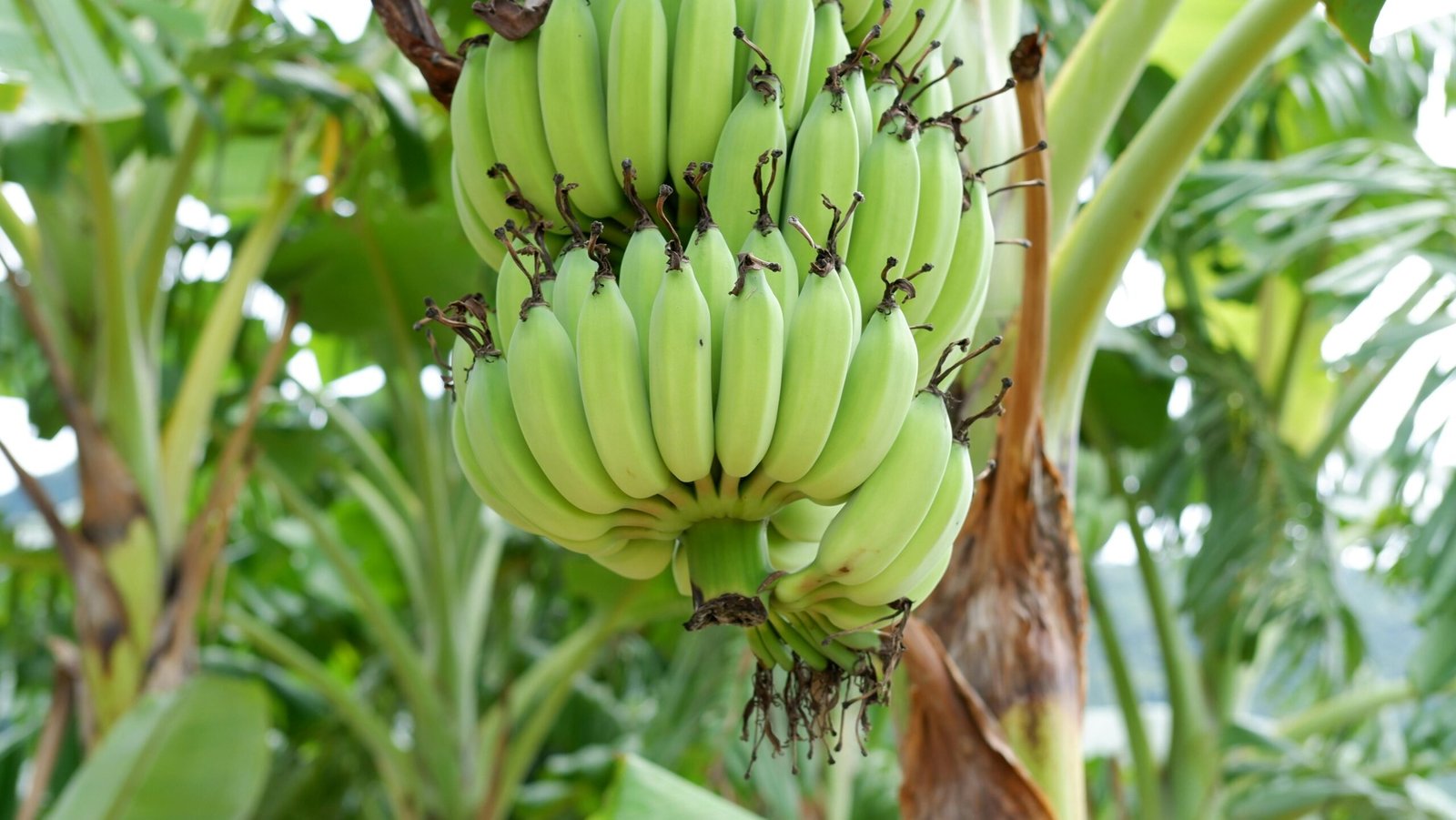
Here is a confusion that lives quietly in most Indian kitchens without ever being examined. The banana is a fruit. Everyone knows this. It is sweet, it is eaten raw, it is given to children as a snack and to adults with upset stomachs and to anyone who needs something quick and natural and filling. But the raw banana — the same fruit picked weeks earlier, before any of the starch has converted to sugar, while it is still firm and green and entirely savoury in character — is treated as something else entirely. It goes into the sabzi pot. It gets ground into a dosa batter in Kerala. It becomes a chip that has been eaten along the Malabar coast and across Tamil Nadu for generations. It appears in the Onam sadhya alongside ash gourd and drumstick and raw jackfruit as part of a feast that is as nutritionally sophisticated as any meal tradition anywhere in the world.
The raw banana is a vegetable. Not technically — botanically it is still a fruit — but functionally and culinarily it is as much a vegetable as any of the cucurbits or roots or leaves in the Indian kitchen. It behaves like a vegetable. It tastes like one. It cooks like one. And it does things in the body that most vegetables do not do — particularly in the area of gut health, where raw banana’s unusual starch composition produces effects that are genuinely exceptional and that deserve far more attention than they currently receive in conversations about everyday healthy eating.
Understanding What a Raw Banana Actually Contains
A ripe banana and a raw banana are, nutritionally, significantly different foods despite being the same fruit at different stages of development. The conversion that happens during ripening — the enzymatic breakdown of complex starches into simple sugars — changes the carbohydrate profile of the banana so substantially that the body processes the two forms through entirely different mechanisms.
Raw banana is dominated by resistant starch — a form of starch that is not broken down by digestive enzymes in the small intestine and passes to the large intestine essentially intact. This is the property that makes raw banana nutritionally extraordinary in the specific context of gut health. Resistant starch is fermented by gut bacteria in the large intestine, producing short-chain fatty acids — particularly butyrate — that are the primary energy source for the cells lining the colon, support the integrity of the gut barrier, reduce intestinal inflammation, and modulate the immune activity of the gut.
The concentration of resistant starch in raw banana is among the highest of any commonly available food. Where ripe banana contains primarily simple sugars and very little resistant starch, raw banana contains a large proportion of its carbohydrate as resistant starch — a complete reversal of the profile. This is why raw banana behaves so differently from ripe banana in the digestive system, and why it has such different applications in cooking and traditional medicine.
As raw banana ripens, the resistant starch concentration falls progressively as enzymes convert it to sugar. Partially ripe banana — when the skin has begun to show some yellow but the flesh is still firm — contains less resistant starch than fully green raw banana but more than fully ripe. For cooking applications, fully green raw banana provides the most resistant starch and the most neutral, vegetable-like flavour. For eating raw with health goals in mind, slightly underripe banana represents a practical middle ground between the digestive benefit of resistant starch and palatability.
The Gut Health Case — Why This Vegetable Deserves to Be Taken Seriously
The short-chain fatty acids produced when gut bacteria ferment resistant starch from raw banana are not a minor or marginal nutritional benefit. Butyrate specifically — the primary short-chain fatty acid produced from resistant starch fermentation — is essential for the health of the colonic epithelium in a way that has no adequate substitute from other dietary sources. The cells lining the colon preferentially burn butyrate as their energy source, and adequate butyrate production through bacterial fermentation of dietary resistant starch is associated with a healthy, intact gut barrier, reduced intestinal permeability, and lower risk of inflammatory bowel conditions.
The connection between gut barrier integrity and systemic health is one of the more important areas of current medical research. When the gut barrier is compromised — a condition sometimes described as increased intestinal permeability or leaky gut — partially digested food particles, bacterial components, and metabolic byproducts can enter the bloodstream in ways that trigger inflammatory responses throughout the body. Chronic gut barrier compromise has been associated with autoimmune conditions, metabolic dysfunction, mood disorders, and systemic inflammatory diseases that seem superficially unrelated to the gut.
Consistent dietary resistant starch from foods like raw banana supports butyrate production which supports gut barrier integrity which reduces the conditions that lead to these systemic effects. This is a chain of causation that operates at the cellular level, continuously, as a function of what the gut bacteria are being fed. Eating raw banana regularly as part of the diet — in sabzi, in kootu, in the Kerala preparations where it is a staple, in chips, in any of the various forms available in Indian cooking — contributes to this chain of gut-protective events in a way that very few other commonly eaten foods do with comparable directness.
Blood Sugar Management — The Paradox of a Sweet Fruit
The resistant starch in raw banana has a direct blood sugar-moderating effect that makes it one of the more surprising foods for diabetics and pre-diabetics to understand properly. Because the dominant carbohydrate in raw banana is not absorbed from the small intestine but passes to the large intestine for fermentation, eating raw banana does not produce the rapid blood glucose rise that eating ripe banana or other high-sugar foods produces.
This is a genuinely counterintuitive fact for most people, because the association between bananas and blood sugar usually leads to blanket avoidance of all banana-related foods by people managing blood sugar. Raw banana — the green, unripe form cooked as a vegetable — is metabolically a completely different food from ripe banana, and its blood sugar impact is low enough to be appropriate for diabetics in normal cooking portions.
The resistant starch also has a second-meal effect — consuming resistant starch at one meal moderates the blood glucose response to the subsequent meal, even hours later. This effect, documented in research on resistant starch from various sources, means that including raw banana in lunch reduces the blood glucose spike from dinner, and including it in dinner moderates the fasting blood glucose the following morning. This cross-meal effect extends the blood sugar benefit beyond the meal in which the raw banana appears, which makes it a more impactful dietary inclusion than its effect at a single meal alone would suggest.
Digestive Disorders — Traditional Use With Modern Validation
Raw banana has been used in traditional medicine across South Asia and parts of Africa for digestive disorders including diarrhoea, gastric ulcers, and irritable bowel symptoms for a very long time. This traditional use has received increasing research attention, and the findings are consistent with the mechanisms that the resistant starch and other compounds in raw banana provide.
For diarrhoea specifically, raw banana has been studied in clinical settings as a dietary intervention in children with persistent diarrhoea, with results showing reduced duration and severity compared to control diets. The mechanism involves the resistant starch supporting the restoration of a healthy gut bacterial population after disruption, the fibre adding bulk to loose stool, and certain compounds in raw banana having mild antimicrobial activity against pathogens that cause gastrointestinal infection.
For gastric ulcers, raw banana contains compounds that have been studied for their ability to stimulate the production of mucus in the stomach lining — the protective layer that prevents stomach acid from damaging the gastric epithelium. When this mucus layer is insufficient — as it is in people with peptic ulcers or gastritis — the stomach lining is exposed to acid-induced damage. Raw banana compounds that stimulate mucus production address this vulnerability at the tissue level. This is the basis for the traditional practice of eating raw banana preparation or raw banana powder in water for gastric complaints — the mucus-stimulating effect is the likely mechanism behind the observed benefit.
For irritable bowel syndrome — a condition characterised by unpredictable bowel habits, abdominal discomfort, and bloating that affects a significant and growing number of urban Indians — the resistant starch in raw banana provides prebiotic support for the gut microbiome and the butyrate production that supports gut barrier integrity, both of which are relevant to the underlying mechanisms of IBS. Raw banana is one of the vegetables consistently well-tolerated by people with IBS, unlike many high-fibre vegetables that exacerbate symptoms through their fermentable carbohydrate content.
Potassium, Vitamins, and the Rest of the Nutritional Picture
Beyond the resistant starch story — which is the most distinctive and impactful part of raw banana’s nutritional profile — the vegetable contains a reasonable range of additional micronutrients.
Potassium is the most notable — raw banana, like ripe banana, is a good source of this mineral that supports blood pressure management, kidney function, muscle health, and heart rhythm. The potassium content is somewhat lower in raw banana than in fully ripe banana because the mineral is distributed across a vegetable that contains more water weight, but it is still a meaningful contribution to daily potassium intake.
Vitamin B6 is present in useful quantities, relevant for neurotransmitter production, homocysteine management, and the energy metabolism processes that B6 is involved in across numerous enzymatic reactions. Vitamin C, though not exceptional in quantity, contributes to the daily intake and supports the iron absorption from other foods in the same meal. Magnesium contributes to the overall mineral intake in the cumulative way that whole food consumption builds across multiple daily sources.
The fibre in raw banana — beyond the resistant starch component — includes both soluble and insoluble forms that contribute to bowel regularity and gut motility in the standard way that dietary fibre does. The combination of resistant starch and conventional fibre makes raw banana a particularly comprehensive contributor to digestive health in both the prebiotic and the mechanical fibre senses.
Raw Banana in Regional Indian Cooking — A Wealth of Tradition
The regional cooking traditions that use raw banana most extensively are in South India — particularly Kerala, Tamil Nadu, and coastal Karnataka — where it is a staple ingredient rather than an occasional one, and where the range of preparations reflects a deep and sophisticated understanding of how to use the vegetable well.
In Kerala, raw banana appears in multiple sadhya dishes. Vazhakkai mezhukkupuratti — raw banana stir-fried with shallots, curry leaves, and mustard seeds in coconut oil — is one of the most elemental and satisfying preparations for this vegetable, where the simplicity of the approach allows the natural flavour of the banana to come through clearly. The coconut oil provides the fat necessary for fat-soluble nutrient absorption and the flavour combination of raw banana, shallot, and curry leaf is one of those combinations that feels ancient and correct in the way that certain traditional pairings do.
Kerala banana chips — raw banana sliced into very thin rounds or strips and fried in coconut oil — are one of the most beloved and distinctive snack foods in the Indian repertoire. The coconut oil and the raw banana are a combination that has been made for centuries along the Malabar coast, and the resulting chip — crisp, slightly savoury, with the particular flavour that only raw banana and coconut oil together produce — is genuinely unlike anything else in the snack world. Made at home with good quality coconut oil rather than the refined oils used in commercial production, and eaten in modest portions, this is a significantly better snack than it is usually given credit for being.
Raw banana kootu — raw banana cooked with ground coconut, cumin, and curry leaves, combined with chana dal or other lentils — is a preparation that appears across South Indian cooking traditions and that produces a dish with the body and richness of a coconut-based curry alongside the prebiotic benefit of the resistant starch and the protein of the lentil.
In Tamil Nadu, vazhakkai kari — raw banana cooked dry with sambar powder, onion, and curry leaves — is a quick and flavourful preparation that works as a side alongside rice and dal and that takes under twenty minutes from start to plate. The sambar powder brings the warmth and complexity of the spice blend and transforms the mild-flavoured raw banana into something robust and satisfying.
In Maharashtra and parts of Karnataka, raw banana is made into a subzi with mustard seeds, dried coconut, and goda masala — the particular spice blend of the Maharashtrian kitchen — that produces a preparation with completely different character from the South Indian versions while using the same basic vegetable.
Raw banana paratha — mashed cooked raw banana kneaded into whole wheat dough with mild spices — is a preparation that works across regional boundaries and that produces a paratha with a distinctive texture from the banana’s starchy density and a mild flavour that is adaptable to whatever spice combination accompanies it.
Outside South India, raw banana appears in Bengali cooking in preparations that reflect the cooking style of that tradition — mustard oil, panch phoron, and a characteristic sweet-and-sour balance that brings out a completely different character from the same vegetable.
Preparing Raw Banana Without the Frustration
The one practical obstacle to more widespread home use of raw banana is the sticky white sap that seeps from the cut surfaces and from under the skin when the vegetable is being prepared. This latex-like substance — containing tannins and other compounds — stains hands and cutting boards and knives and does not wash off easily with soap and water.
The standard approach to this is to oil the hands lightly before peeling and cutting raw banana. A thin coating of any cooking oil on the hands and the knife blade prevents the sap from adhering to skin and metal surfaces. Hands cleaned with oil rather than water first — using a small amount of oil to dissolve the sticky residue before washing with soap — come clean far more easily than hands washed directly with soap and water.
Raw banana darkens quickly after cutting due to enzymatic oxidation of the tannins when exposed to air. Dropping cut pieces immediately into a bowl of water with a small amount of salt or a squeeze of lemon prevents this darkening and keeps the pieces from developing an unpleasant appearance before they go into the pot. The salt water also slightly reduces the astringency of the raw banana, which can be a useful preparation step for some cooking methods.
The skin of raw banana is not typically eaten — it is thick, somewhat bitter, and not pleasant in texture after cooking. However, raw banana skin cooked very soft and used in a preparation where texture is not the primary concern — blended into a curry base, added to a slow-cooked dal — is a way of using the entire vegetable and capturing the fibre and the compounds in the outer layers without wasting them.
Selecting and Storing Raw Banana
At the market, choose raw bananas that are completely green — fully green throughout with no yellowing even at the tips. Any yellowing indicates the ripening process has begun and the resistant starch conversion to sugar is underway. The firmer and greener the banana, the more resistant starch it contains and the more it behaves as a vegetable rather than a fruit in cooking and in the digestive system.
The banana should feel firm and solid throughout. Avoid any with soft spots, visible bruising, or damage to the skin that would allow air and bacteria to reach the interior.
Store raw bananas at room temperature in a ventilated space — not in the refrigerator, where the cold interrupts the enzyme activity in ways that affect both the texture and the flavour negatively and where the skin can turn dark without the interior ripening as expected. In a cool kitchen they keep green for several days. In a warm or humid kitchen they ripen faster — purchase only what can be used within two to three days in such conditions.
Once cut, raw banana should be used immediately or kept submerged in salted water until ready to cook. Exposure to air causes rapid browning that, while not affecting safety, affects the appearance and the mild tannin flavour.
FAQ
Q: Can raw banana be eaten by diabetics? Yes, raw banana is significantly more appropriate for diabetics than ripe banana because the dominant carbohydrate is resistant starch rather than simple sugar. The blood glucose impact of a typical cooked raw banana serving is low. Portion size and meal composition still matter, and individual monitoring is the best guide, but raw banana in normal cooking quantities is a reasonable and nutritionally beneficial inclusion in a diabetic diet.
Q: Is raw banana good for weight management? The resistant starch in raw banana increases satiety and reduces appetite in the hours following a meal through its effect on appetite-regulating hormones. It also provides fuel for gut bacteria without contributing to caloric intake in the conventional sense — resistant starch is not absorbed by the body and does not contribute meaningfully to the caloric value of the food. The combination of satiety support, low glycaemic impact, and prebiotic benefit makes raw banana a genuinely useful food for weight management in the context of an overall balanced diet.
Q: How do I get rid of the stickiness when preparing raw banana? Oil the hands and the knife blade before peeling and cutting. The oil prevents the sap from adhering to surfaces. For hands that have already been stained, apply a small amount of cooking oil first, work it around the stained areas, then wash with soap and water. The oil dissolves the sap more effectively than soap and water alone.
Q: Can children eat raw banana? Yes, cooked raw banana is appropriate for children from the time they begin eating solid foods. It is one of the traditional weaning foods across South India and coastal communities because it is easy to mash, mild in flavour, and easy to digest. The resistant starch, while not fully accessible to very young children in the same way as to adults, still contributes to the developing gut microbiome in a beneficial way.
Q: Is raw banana the same as plantain? Raw banana and plantain are closely related and used in very similar ways in cooking, but they are technically different cultivars. Plantains are a specific type of banana grown for cooking rather than for eating ripe, with a starchier, less sweet character even when ripe. Raw banana — the unripe form of the banana varieties grown primarily for eating — is used as a vegetable in Indian cooking before it reaches the ripeness at which it would be eaten raw. The nutritional properties and the resistant starch content are broadly similar between the two, and many preparations can use either interchangeably.
Conclusion
The green banana sitting in the vegetable section of the market — or in the pile at the base of a banana tree in South Indian gardens — is waiting to be understood as something other than an unripe version of a fruit that has not yet become what it is supposed to be. It has already become what it is supposed to be. It just becomes something different from the ripe version — something that the body processes in a completely different way and that does specific and important things for the gut and the blood sugar and the digestive lining and the bacterial community that lives in the large intestine and influences everything from immunity to mood to metabolic health.
The Kerala sadhya understood this. The Tamil Nadu kitchen understood this. The generations of South Indian cooks who made vazhakkai mezhukkupuratti and banana chips and raw banana kootu understood this in the language of tradition and taste rather than in the language of resistant starch and butyrate. They got to the right answer by a different route.
Modern nutritional science has now mapped that route and explained the mechanism. The destination was always the same — a vegetable that earns its place in the everyday kitchen through specific and irreplaceable contributions to the health of the body eating it.
It is not an unripe fruit waiting to become something better. It is already exactly what it should be.


