 (+91) 9445444862
 Info@indbiz.in


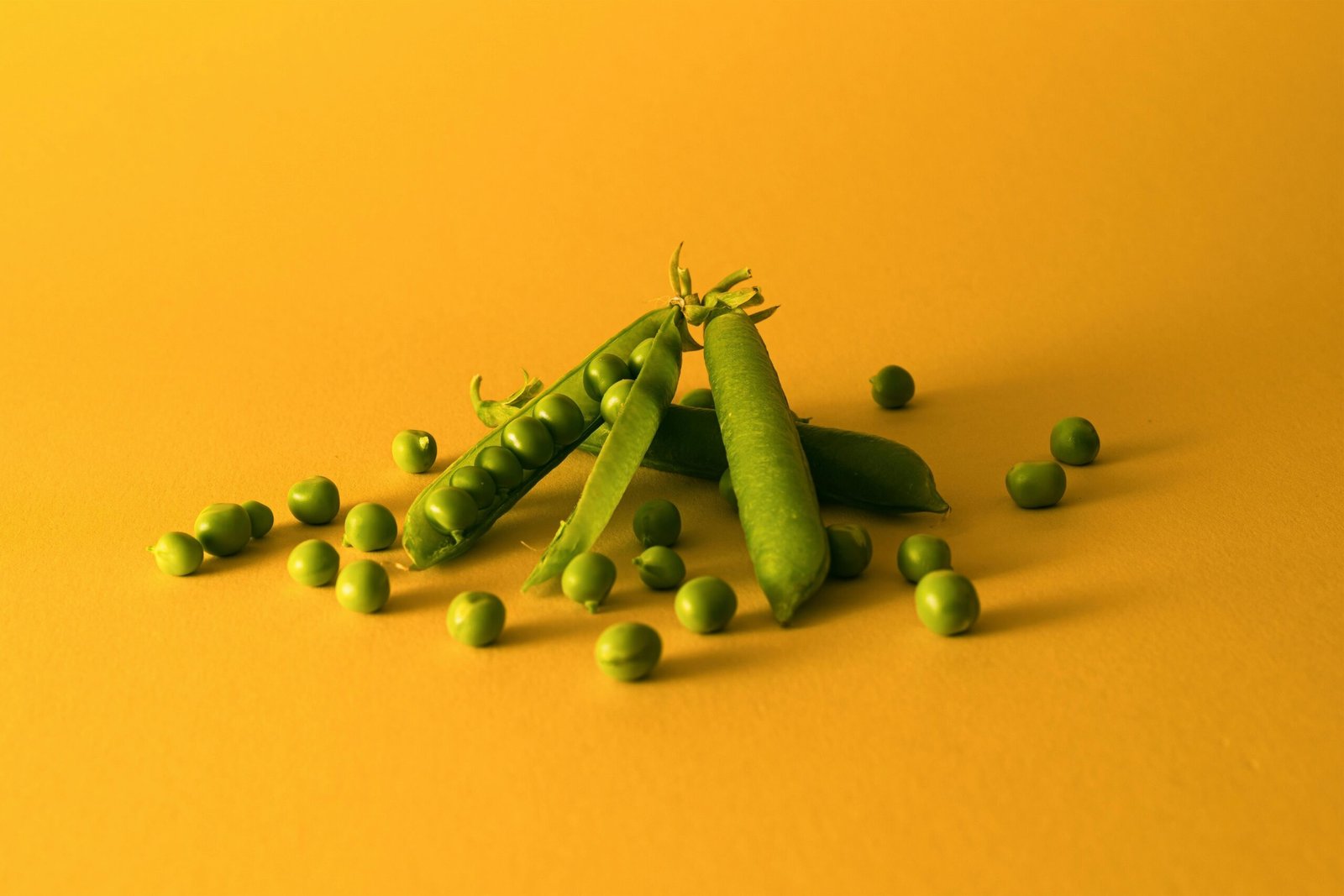
There is a particular kind of anticipation that belongs to the first cold week of November or December in North India. It is not just the sweaters coming out or the particular quality of morning light that changes. It is the appearance of fresh green peas at the vegetable market — small, bright, tightly packed in their pods, smelling of something clean and sweet and distinctly seasonal. Vendors selling them by the kilogram, buyers peeling them in the auto-rickshaw on the way home, the sound of pods being cracked open in kitchens across the city filling evenings that are otherwise quiet. There is a whole sensory culture around fresh green peas in North India that is tied to winter in a way that few other vegetables achieve so completely.
And then, before most people feel they have eaten enough of them, the peas disappear. The price climbs as the season winds down. The pods become less plump and less sweet. By February they are gone from most markets, replaced by the frozen version that is available year-round and that is perfectly acceptable but that does not quite have the sweetness or the particular freshness of the pea that was in a pod three hours ago.
This seasonal intensity is worth noting because it is part of what makes fresh peas nutritionally different from their frozen or dried counterparts — not dramatically so, but in ways that matter. And it is also part of why most people do not think carefully about what peas contain, because the vegetable arrives with such cultural ceremony and culinary joy that examining it nutritionally feels slightly beside the point. The point, when fresh peas arrive, is to make matar paneer and aloo matar and nimona and dal makhani with the fresh peas stirred in at the end, and to eat as much as possible before the season closes.
This article will not take any of that joy away. It will simply add to it the understanding of what is actually happening nutritionally every time the pod is cracked and the peas tumble out.
Not a Vegetable Exactly — And Why That Matters
Green peas occupy a nutritional position that is unusual among the foods commonly called vegetables in Indian cooking. Botanically they are legumes — seeds of the Pisum sativum plant, more closely related to lentils and chickpeas than to most of the other vegetables that appear alongside them in the Indian kitchen. This botanical classification has direct nutritional implications that explain why peas behave differently from most other vegetables in what they provide to the body.
Legumes are characterised by their high protein content — the seeds of legume plants are the food store for the developing plant embryo, and they are rich in protein, complex carbohydrate, and a range of micronutrients in quantities that reflect this role as a concentrated energy and nutrient reserve. Green peas share this legume nutritional character while being harvested young — before the seed has dried and concentrated further — which means they retain the water content, vitamin C, and fresh flavour that dried peas do not have, while still providing the protein and complex carbohydrate that dried legumes are known for.
A cup of cooked green peas provides roughly eight to nine grams of protein — comparable to a significant portion of many dal preparations and far more than any strictly vegetable food in the same volume provides. This protein content makes peas one of the more important sources of plant-based protein in the Indian diet, particularly during winter when they are available fresh and in generous quantities. For vegetarian households where protein diversity is an ongoing nutritional consideration, fresh pea season is an opportunity that deserves deliberate use rather than casual enjoyment.
The amino acid profile of pea protein is reasonably complete, though like most plant proteins it is somewhat low in methionine — an essential amino acid. Eaten in combination with other protein sources in the same meal — rice, roti, paneer, dairy, other legumes — the overall amino acid intake fills in the gaps and provides the full range of essential amino acids the body needs.
Fibre — The Amount That Changes What Peas Do in the Digestive System
The fibre content of green peas is exceptional by any vegetable measure. A cup of cooked peas provides roughly eight to nine grams of fibre — the same as a serving of lentils and significantly more than most vegetables. This fibre is predominantly a combination of soluble fibre — including pectin — and insoluble fibre, both of which contribute to digestive health through different but complementary mechanisms.
The soluble fibre in peas dissolves into a gel that slows gastric emptying and moderates the absorption of glucose and cholesterol from the small intestine. This is the mechanism that makes peas a blood sugar-friendly food despite their higher carbohydrate content — the fibre that accompanies the carbohydrate modulates how quickly that carbohydrate is digested and absorbed. For people managing blood sugar, peas eaten as part of a balanced meal are a legitimate and nutritious option whose glycaemic impact is significantly lower than the carbohydrate content alone would suggest.
The insoluble fibre supports bowel regularity and reduces the transit time of food through the digestive tract. Shorter transit time reduces the exposure of the colon to potentially harmful metabolites produced during digestion and is associated with lower risk of colon cancer in epidemiological studies. For urban India’s predominantly low-fibre dietary pattern, the seasonal abundance of peas is a natural fibre boost that the digestive system benefits from consistently.
The prebiotic fibre in peas feeds beneficial gut bacteria, particularly the bacteria that produce butyrate from resistant starch and other fermentable fibres. The production of butyrate from pea fibre fermentation supports the same gut barrier integrity and anti-inflammatory gut environment that raw banana and sweet potato resistant starch support through their own fermentable components.
Vitamins K, C, and the Group of B Vitamins Working Together
Peas contain vitamin K in quantities that are nutritionally meaningful — not as concentrated as in dark leafy greens but present in amounts that contribute to the daily intake that supports bone mineralisation and blood clotting. The combination of vitamin K with the magnesium and phosphorus also present in peas creates a cluster of nutrients that are collectively important for bone health — particularly relevant for a population where bone density concerns are increasing at younger ages than previous generations.
Vitamin C in fresh green peas is substantial and is one of the clear nutritional advantages of fresh over frozen peas, though frozen peas retain more of their vitamin C than might be expected from frozen vegetables in general because they are frozen very rapidly after harvest. Fresh peas eaten on the day they are shelled, or within a day or two, provide vitamin C in quantities that contribute meaningfully to daily intake. The vitamin C supports immune function, collagen synthesis, iron absorption from other foods in the same meal, and the antioxidant activity that reduces oxidative stress across tissues.
The B vitamin profile of peas is comprehensive and represents one of the less-discussed aspects of their nutritional value. Folate — vitamin B9 — is present in significant quantities, making peas a relevant dietary source for the pregnancy-protective and red blood cell-supporting functions of this vitamin. Thiamine, riboflavin, niacin, B6, and pantothenic acid are all present, supporting the energy metabolism processes that convert food into the cellular fuel the body runs on. The B vitamins work as a group — no single B vitamin operates independently — and peas provide most of the B vitamin family in a single food, which is more useful than concentrated quantities of any single B vitamin from an isolated source.
Antioxidants That Deserve More Attention
Beyond the vitamins, peas contain a range of antioxidant compounds that have been less extensively studied than those in more fashionable vegetables but that are consistent with significant anti-inflammatory and protective activity.
Carotenoids including lutein and zeaxanthin are present in green peas — the same compounds that protect the retina from age-related oxidative damage in spinach and sweet potato. The green colour of peas, like the green colour of all leafy vegetables, is partly the result of masked carotenoids beneath the chlorophyll. When peas are briefly cooked, some of the chlorophyll breaks down and the carotenoid beneath it becomes more visible, which is why overcooked peas turn a duller, yellowish green — the chlorophyll has degraded while the carotenoid remains.
Flavonoids — particularly catechins and epicatechin — are present in peas and contribute to the anti-inflammatory and antioxidant activity of the vegetable. These are the same family of compounds found in green tea and dark chocolate that have received significant research attention for their cardiovascular and metabolic health effects. In peas, they arrive in a food context that includes fibre, protein, and a full complement of vitamins — a more complete nutritional package than supplement forms of these compounds provide.
Alpha-linolenic acid — an omega-3 fatty acid — is present in peas in small but non-trivial quantities. Plant-based omega-3 fatty acids are relevant for the omega-6 to omega-3 balance that modern diets have shifted significantly away from the optimal range. Peas as a consistent dietary source of ALA contribute to this balance in the cumulative way that whole food nutrition works — not dramatically in any single serving but meaningfully across weeks and months of regular consumption.
The Blood Sugar Question — Understanding the Glycaemic Profile
Peas have a moderate glycaemic index — around 48 to 54 depending on preparation — which places them in the low-glycaemic-index category that is broadly considered appropriate for diabetics and pre-diabetics. The glycaemic load per typical serving is low because the protein, fibre, and fat content of peas collectively moderate the blood glucose response to the carbohydrate they contain.
The protein in peas slows gastric emptying independently of the fibre, which adds a second moderating mechanism to the blood sugar impact. The result is that a serving of green peas in a meal produces a much gentler blood glucose curve than the equivalent carbohydrate from a refined grain or a high-sugar food.
In the context of a complete Indian meal — peas in a dal, in a sabzi alongside roti, in a rice preparation — the overall glycaemic impact is determined by the composite of all the foods in the meal. Peas, with their high protein and fibre content, are one of the components that pull the overall meal’s glycaemic impact downward rather than upward. Including them in meals alongside higher-glycaemic foods like white rice or certain bread preparations actively moderates the blood sugar response to those foods.
Fresh Versus Frozen — The Practical Question for Year-Round Use
The nutritional comparison between fresh and frozen peas is more nuanced than the simple fresh-is-better assumption suggests. Fresh peas at peak season — from a good vendor or garden, shelled and used the same day — are exceptional and represent the vegetable at its best nutritionally and culinarily. But fresh peas deteriorate rapidly after shelling — the sugars convert to starch over hours, the vitamin C begins to degrade, and the sweet flavour that makes them extraordinary fades progressively.
Commercially frozen peas are typically frozen within hours of harvest at peak ripeness — a process that preserves the nutritional profile and the flavour compounds at their best much more effectively than fresh peas that have been sitting in a market, transported in warm conditions, and stored for a day or two before use. This is the same principle that makes frozen sweet corn nutritionally competitive with fresh sweet corn in the off-season. For peas specifically, high-quality frozen peas used in the right cooking applications are a genuinely nutritious option through the months when fresh peas are unavailable.
The practical approach for an Indian household is straightforward. Eat fresh peas abundantly and with genuine appreciation during the season — they are exceptional and the culinary experience justifies the attention. Buy, shell, blanch, and freeze a batch for the rest of the year — this is a thirty-minute effort during peak season that provides frozen peas with a flavour and nutritional quality superior to commercial frozen alternatives. And for convenience through the year, good quality commercial frozen peas are an entirely acceptable nutritional option when fresh are unavailable.
Dried peas — matar ki dal — are the third form, with higher protein and fibre per serving than either fresh or frozen, lower vitamin C, and a different textural character. They are worth keeping in the pantry as a protein-rich dal option that is distinct from chana, moong, and toor while belonging to the same nutritional family.
How Peas Are Used Across Indian Regional Cooking
The culinary breadth of peas in Indian cooking is considerable and reflects the vegetable’s adaptability to very different flavour environments.
Matar paneer — the combination of fresh peas and paneer in a tomato and cream-based gravy — is perhaps the most universally known pea preparation in Indian cooking. The protein from both the peas and the paneer, the fat from the dairy and the cooking medium, and the vitamin C and fibre from the peas make this a nutritionally comprehensive dish that earns its status as a celebratory preparation. Made at home with a lighter touch on the cream and with generous peas, it is significantly more nutritious than the restaurant version.
Aloo matar — potatoes and peas cooked with tomato and a simple spice base — is the everyday weekday version of this combination, where the potato provides potassium and vitamin C and the peas add protein and fibre to produce a complete and nourishing sabzi. This is a dish so common in North Indian households that it has almost become invisible — eaten without thought because it is always there. What is worth thinking about is that it is always there because it works — nutritionally and culinarily, it is a genuinely well-balanced dish.
Nimona — a Uttar Pradeshi preparation of fresh peas ground coarsely and cooked with aromatics, sometimes with potatoes, sometimes with dried lentils — is one of the more distinctive preparations for peas in the North Indian cooking repertoire. The grinding of the peas changes their texture completely and creates a preparation with a richness and depth that whole peas in sabzi do not produce. It is a preparation that most people outside eastern Uttar Pradesh have not encountered and that is worth seeking out during pea season.
Matar ki poori — deep-fried whole wheat bread with fresh peas cooked into the dough — is a Punjabi preparation for special occasions that is rich and celebratory and nutritionally justifiable precisely because the peas within the dough add protein and fibre to what would otherwise be purely a refined wheat preparation.
In South India, peas appear in rice preparations — peas pulao with coconut and curry leaves and a tempering of mustard seeds producing a fragrant and satisfying rice dish — and in sambar, where their protein and fibre add to the lentil base in the way that all additions to sambar contribute to the overall nutritional completeness of that endlessly adaptable preparation.
Peas in biryani — added to the rice layers and fragrant with whole spices — are one of the more nutritionally sensible additions to a preparation that is primarily grain and aromatics. The peas add protein, fibre, and colour without significantly altering the character of the biryani.
Matar ka nimbu wala shorba — fresh peas simmered briefly in a light, lemon-based broth with ginger and green chilli — is a simple soup preparation that takes fifteen minutes, tastes entirely of fresh winter peas at their best, and provides a bowl of protein-rich, vitamin C-packed nourishment that is one of the more straightforward demonstrations of what good seasonal cooking looks like.
Choosing and Storing Fresh Peas
At the market during pea season, the quality range is wide and selection matters. Good fresh peas are in pods that are bright, firm, and filled — when you squeeze a pod gently, you should feel the individual peas inside, round and tightly packed without too much space between them. The pod should be dark green and slightly glossy rather than pale or dull. Pods that are yellowing, wilting, or showing a dry, papery texture are past their best.
Taste a raw pea before buying in quantity. Good fresh peas are sweet and slightly milky in the raw state — the sweetness is a direct indicator of the fresh sugar content that will begin converting to starch within hours of harvest. If the raw pea tastes starchy or bland rather than sweet, the peas are not fresh enough to justify the effort of shelling.
Do not shell peas in advance unless using within a few hours. The pod protects the peas from moisture loss and from the enzymatic activity that converts sugar to starch more rapidly once the pod is removed. Shell just before cooking for the best flavour and nutritional retention.
Store unshelled peas in the refrigerator in a slightly open bag — they keep for two to three days, though quality declines each day. Store shelled peas covered in the refrigerator and use within a day. For longer storage, blanch shelled peas in boiling water for sixty to ninety seconds, cool immediately in cold water, drain, dry, and freeze in a single layer before transferring to a sealed bag. Home-frozen peas prepared this way keep for three months and are excellent in all cooked applications through the rest of the year.
FAQ
Q: Are green peas high in carbohydrates and should diabetics avoid them? Green peas do contain carbohydrates but in a form that is moderated significantly by their high protein and fibre content. The glycaemic index is low and the glycaemic load per typical serving is modest. For most diabetics, green peas in normal meal portions are a nutritious option that does not create significant blood glucose problems. Individual responses vary and monitoring is the best guide, but blanket avoidance of peas for diabetics is not supported by current nutritional evidence.
Q: Are frozen peas nutritious or should I only use fresh? High-quality frozen peas are genuinely nutritious and retain most of the minerals, protein, fibre, and many of the vitamins of fresh peas because they are frozen rapidly at harvest. The vitamin C is somewhat lower in frozen versus fresh, but frozen peas used promptly after opening retain good nutritional value. For cooking applications — in dal, in rice, in sabzi — frozen peas are an entirely legitimate year-round option.
Q: How much protein do green peas actually provide? A cup of cooked green peas provides approximately eight to nine grams of protein — comparable to a significant portion of many lentil preparations. This is substantially more protein than any strictly vegetable food provides in the same volume. For vegetarian households where protein diversity matters, peas are one of the more protein-dense plant foods available in the Indian kitchen.
Q: Can young children eat green peas? Yes, cooked green peas are appropriate for children from around eight to ten months onwards. Whole peas can be a choking risk for very young children — mashing them or serving them as a puree initially addresses this concern. Older children who can chew properly handle whole cooked peas without difficulty. The protein, folate, vitamin C, and fibre in peas make them a nutritionally valuable food for children at all stages.
Q: Is there a nutritional difference between green peas and dried peas? Yes, significantly. Dried peas — including split peas used in dal — have higher protein and fibre per serving, negligible vitamin C, and a different carbohydrate composition from fresh green peas. Fresh peas have much higher vitamin C, a sweeter flavour, higher water content, and are appropriate for both raw consumption and quick-cooking applications. Both forms are nutritionally valuable but for different reasons and in different contexts.
Conclusion
The pods arrive in winter and the households that pay attention shift their cooking around them — matar paneer appearing on more weeknight tables than usual, fresh peas stirred into everything from dal to rice to parathas, the particular sound of pod-opening becoming a background texture of evenings that belong to this season and no other.
What this seasonal intensity captures is something that formal nutritional advice rarely communicates as effectively as the market vendor’s pile of fresh peas in December — that the food worth eating most attentively is the food that is here now, at its best, briefly. That the protein in those peas is genuinely exceptional for a vegetable. That the fibre will do specific and measurable things for the gut bacteria that are waiting, as they always are, for exactly this kind of prebiotic material to work with. That the vitamin C and the folate and the B vitamins and the carotenoids and the flavonoids are all there, in the pea that rolled out of the pod onto the kitchen counter, doing what seasonal food at its best always does.
Green peas do not need defending or promoting or careful nutritional argument to justify their place on the winter plate. They justify it the moment the pod cracks open and the smell hits — clean, green, cold, and completely particular to this time of year.
Everything else is just the science catching up to what the kitchen already knew.


