 (+91) 9445444862
 Info@indbiz.in


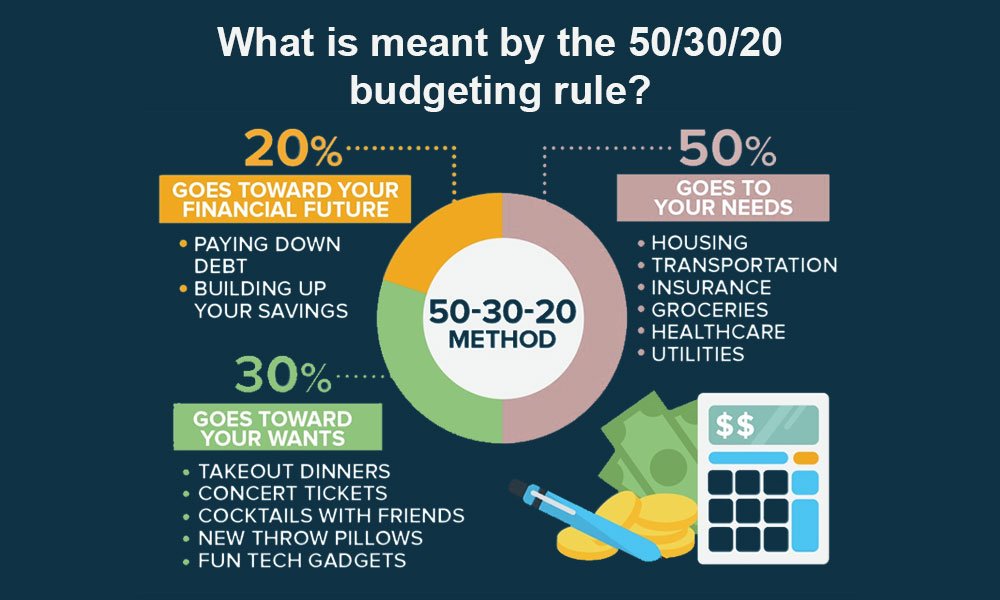
Learn the 50/30/20 budget rule explained in simple terms. Discover how to manage your income, save money, and build financial stability.
50/30/20 Budget Rule Explained
Introduction
Many people struggle with one common financial problem:
“Where did all my money go?”
You receive your salary, pay a few bills, make some purchases, and before the end of the month, your bank balance is almost empty.
This happens because most people spend without a clear budgeting system.
Financial experts often recommend a simple and effective method called the 50/30/20 budgeting rule.
The rule helps you divide your income into three clear categories:
- Needs
- Wants
- Savings
The best part is that this budgeting method is simple, flexible, and easy to follow, even if you are just starting your financial journey.
In this detailed guide, you will learn:
- What the 50/30/20 rule is
- How it works
- How to apply it to your income
- Real-life examples
- Common budgeting mistakes
By the end of this article, you will understand how to take control of your money using the 50/30/20 rule.
Table of Contents
- What Is the 50/30/20 Budget Rule?
- Origin of the 50/30/20 Rule
- How the 50/30/20 Rule Works
- Understanding Needs, Wants, and Savings
- Example of the 50/30/20 Budget
- How to Apply the Rule to Your Income
- Benefits of the 50/30/20 Rule
- Common Mistakes to Avoid
- Frequently Asked Questions
- Conclusion
What Is the 50/30/20 Budget Rule?
The 50/30/20 rule is a budgeting strategy that divides your after-tax income into three categories.
| Category | Percentage | Purpose |
|---|---|---|
| Needs | 50% | Essential expenses |
| Wants | 30% | Lifestyle expenses |
| Savings | 20% | Savings and investments |
This method helps maintain a balanced approach to spending and saving.
Origin of the 50/30/20 Rule
The 50/30/20 budgeting rule became popular through the book:
“All Your Worth: The Ultimate Lifetime Money Plan.”
The concept was popularized by Senator Elizabeth Warren and Amelia Warren Tyagi.
Their idea was to create a simple financial framework that anyone could follow.
Unlike complex budgeting systems, the 50/30/20 rule focuses on broad spending categories rather than tracking every rupee.
How the 50/30/20 Rule Works
The rule divides your monthly income into three sections.
1. 50% for Needs
Needs are essential expenses required for survival and daily living.
Examples include:
- Rent or home loan
- Groceries
- Electricity bills
- Transportation
- Insurance
- Minimum loan payments
These expenses should ideally not exceed 50% of your income.
2. 30% for Wants
Wants include lifestyle and entertainment expenses.
Examples include:
- Dining out
- Movies and streaming subscriptions
- Shopping
- Vacations
- Gadgets
- Entertainment
These expenses improve quality of life but are not essential for survival.
3. 20% for Savings and Investments
Savings are critical for long-term financial security.
Examples include:
- Emergency fund
- Mutual funds
- Retirement investments
- Fixed deposits
- SIP investments
- Paying off debt faster
Saving at least 20% of income builds financial stability.
Understanding Needs, Wants, and Savings
Let’s break down these categories more clearly.
| Needs | Wants | Savings |
|---|---|---|
| Rent | Dining out | Emergency fund |
| Groceries | Shopping | Mutual funds |
| Electricity | Netflix subscription | SIP investments |
| Transportation | Travel | Retirement savings |
| Insurance | Gadgets | Fixed deposits |
Understanding the difference between needs and wants is crucial for budgeting success.
Example of the 50/30/20 Budget
Let’s assume your monthly salary is ₹60,000 after tax.
Your budget would look like this:
| Category | Percentage | Amount |
|---|---|---|
| Needs | 50% | ₹30,000 |
| Wants | 30% | ₹18,000 |
| Savings | 20% | ₹12,000 |
This ensures that you maintain a balanced spending and saving pattern.
How to Apply the Rule to Your Income
Follow these steps to implement the 50/30/20 budgeting rule.
Step 1: Calculate Your Monthly Income
Use your after-tax salary.
Include:
- Salary
- Freelance income
- Business income
- Passive income
Step 2: List Your Essential Expenses
Identify expenses that fall under needs.
Examples:
- Rent
- Utilities
- Transportation
- Insurance
Ensure these expenses remain within 50% of income.
Step 3: Track Lifestyle Spending
Review your wants category.
This includes:
- Shopping
- Dining out
- Subscriptions
- Travel
Keep this spending under 30% of income.
Step 4: Automate Savings
Transfer 20% of income automatically into savings or investments.
Automation ensures consistent savings.
Real-Life Example
Consider the case of Ankit, a young professional earning ₹80,000 per month.
He struggles to save money despite earning well.
After applying the 50/30/20 rule:
| Category | Amount |
|---|---|
| Needs | ₹40,000 |
| Wants | ₹24,000 |
| Savings | ₹16,000 |
Within one year, Ankit builds an emergency fund of nearly ₹2 lakh.
This provides financial security and reduces stress.
Benefits of the 50/30/20 Rule
1. Simple Budgeting Method
It is easy to understand and implement.
2. Encourages Savings
The rule prioritizes saving 20% of income.
3. Prevents Overspending
Clear spending limits help control unnecessary expenses.
4. Improves Financial Discipline
Following a budgeting system improves financial habits.
5. Flexible System
You can adjust percentages depending on your financial goals.
Common Mistakes to Avoid
Many people fail at budgeting due to simple mistakes.
1. Ignoring Small Expenses
Small daily purchases can add up quickly.
Examples include:
- Coffee
- Food delivery
- Online subscriptions
2. Not Tracking Spending
Without tracking expenses, budgeting becomes ineffective.
3. Saving What Is Left
Many people save only the leftover money.
Instead, save first and spend later.
4. Confusing Needs with Wants
Some people classify luxury expenses as needs.
Be honest about spending categories.
Expert Financial Tips
Here are strategies recommended by financial planners.
Tip 1
Use budgeting apps to track spending.
Tip 2
Automate savings transfers.
Tip 3
Review your budget monthly.
Tip 4
Increase savings percentage when income grows.
Frequently Asked Questions
1. Is the 50/30/20 rule suitable for everyone?
Yes, but the percentages can be adjusted depending on income and financial goals.
2. What if my expenses exceed 50%?
You may need to reduce lifestyle expenses or increase income.
3. Can I save more than 20%?
Yes. Many financial experts recommend saving 30–40% if possible.
4. Is this rule useful for beginners?
Yes. It is one of the easiest budgeting systems for beginners.
5. Can students use this rule?
Yes. Even students with small incomes can apply it.
6. Does this rule work for freelancers?
Yes, but freelancers should calculate their average monthly income.
7. Should investments be included in savings?
Yes. Investments such as SIPs and mutual funds are part of the savings category.
8. How often should I review my budget?
It is recommended to review your budget every month.
Conclusion
The 50/30/20 budgeting rule is one of the simplest and most effective ways to manage personal finances.
By dividing income into three clear categories — needs, wants, and savings — you can build a balanced financial lifestyle while still enjoying your money.
This budgeting strategy helps you:
- Control spending
- Build savings
- Reduce financial stress
- Plan for long-term financial security
The key to success is consistency and discipline.
Start applying the 50/30/20 rule today, and over time, you will notice significant improvements in your financial health.
Disclaimer:
This article is for educational purposes and should not be considered financial advice.


