 (+91) 9445444862
 Info@indbiz.in


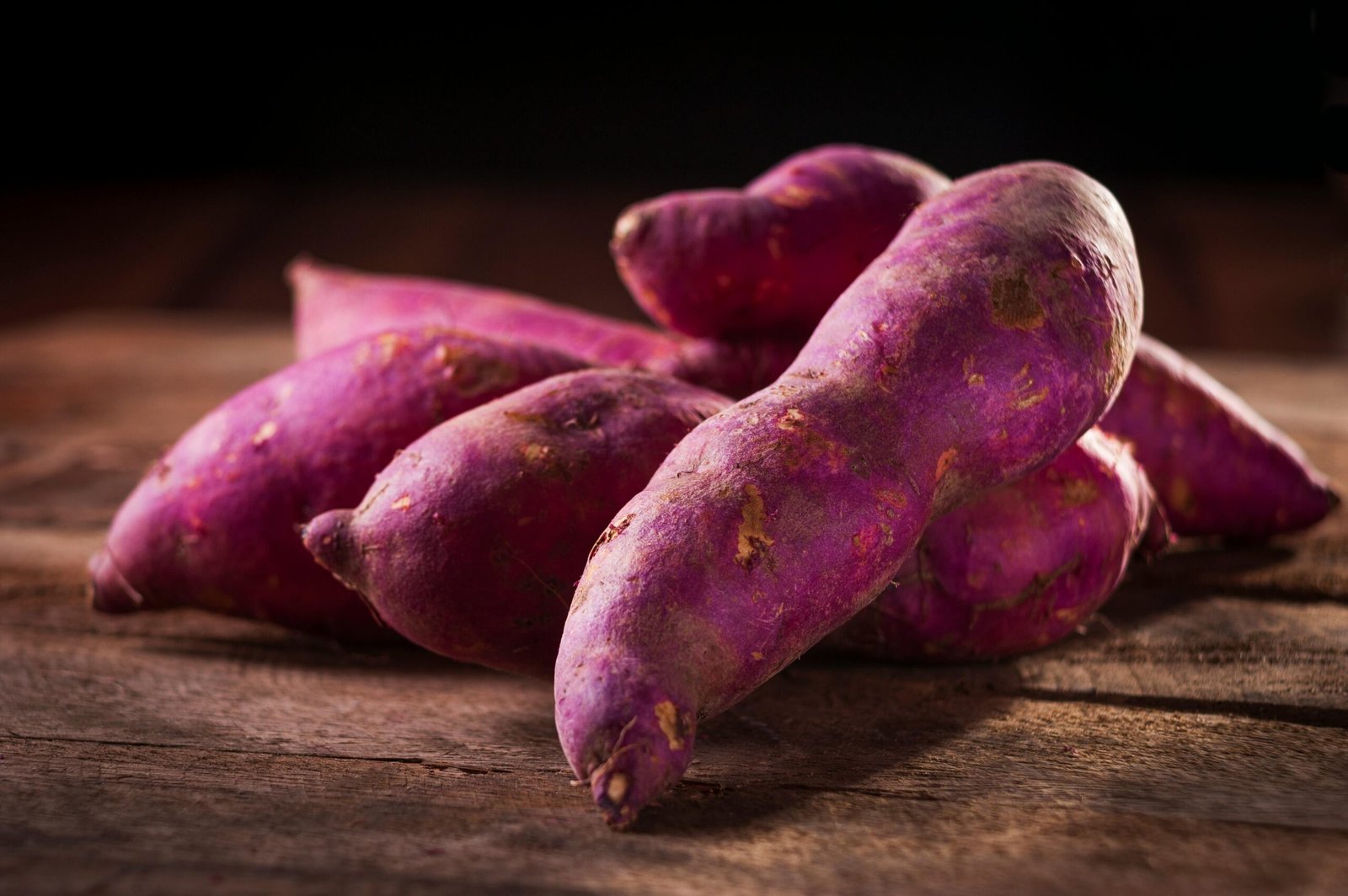
There is a particular street vendor that appears in many Indian cities as soon as the weather begins to cool — usually a small cart, a coal or wood fire burning underneath a bed of sand, and a pile of sweet potatoes sitting in that sand slowly roasting until the skin wrinkles and chars slightly and the interior becomes impossibly soft and sweet. In Delhi and Lucknow this vendor is almost a seasonal institution. People stop, peel back the charred skin, eat the steaming orange interior standing on the pavement with a little chaat masala and lemon, and go on with their day having eaten something that, nutritionally speaking, is far more impressive than most of what will appear on their plates for the rest of the day.
The roasted sweet potato on the street has never needed to be marketed as a health food. It sells because it tastes extraordinary when cooked this way — sweeter than most people expect a vegetable to be, with a caramelised depth from the charring and a texture that is simultaneously dense and light. But the nutritional case for sweet potato is as strong as the sensory case, and understanding both together produces an appreciation for this vegetable that goes beyond seasonal nostalgia and becomes a year-round kitchen habit.
Shakarkand, as it is called across most of India, or ratalu in some regional contexts, has been cultivated in South and Central America for at least five thousand years and arrived in India through the Portuguese trading routes in the sixteenth century — the same route that brought the tomato. Like the tomato, it integrated into Indian food culture rapidly enough that it now feels entirely native to the subcontinent. And like the tomato, the speed of its adoption reflected something real about its qualities — it grew easily in Indian soil, produced abundantly, stored well, tasted good, and fed people effectively.
The Beta-Carotene Picture — Exceptional Even by Orange Vegetable Standards
Sweet potato belongs in the same beta-carotene conversation as pumpkin and carrot, but it occupies the upper end of that range rather than the middle. A single medium sweet potato contains enough beta-carotene to provide well over 100 percent of the recommended daily vitamin A intake for an adult, and in some analyses the beta-carotene concentration of deeply orange-fleshed sweet potato varieties exceeds that of carrots by a meaningful margin.
The same rules apply as with other carotenoid-rich foods. Fat-soluble. Significantly more bioavailable from cooked sweet potato eaten with some dietary fat than from raw. More available from deeply orange-fleshed varieties than from pale or white-fleshed ones. Cooking breaks down the cell walls and releases the beta-carotene from the food matrix in a form the body can absorb more efficiently than the raw vegetable provides.
The orange colour of the flesh is the direct visual indicator of beta-carotene concentration. White-fleshed sweet potato — the variety that has historically been more common in certain parts of India — is a different nutritional proposition. It is still a good source of fibre, potassium, and B vitamins, but it lacks the carotenoid density that makes the orange-fleshed variety exceptional. Where the choice exists in the market, the deeper the orange of the flesh, the better the beta-carotene content.
Sweet potato also contains a range of other carotenoids beyond beta-carotene, including lutein and zeaxanthin — the compounds that concentrate in the retina and protect against age-related macular degeneration. The carotenoid profile of sweet potato is broader and more varied than that of many other orange vegetables, which adds to its nutritional value in a way that the beta-carotene number alone does not capture.
The Blood Sugar Question — More Nuanced Than the Sweetness Suggests
The sweetness of sweet potato is the thing that makes people assume it must be bad for blood sugar, and this assumption leads many diabetics and weight-conscious people to avoid it without examining whether the assumption is actually correct. It is not — or at least not in the way most people think.
Sweet potato has a lower glycaemic index than white potato — approximately 50 to 60 for boiled sweet potato compared to 70 to 90 for boiled white potato, depending on preparation and variety. This lower glycaemic index reflects the different composition of the sweet potato’s carbohydrate — it contains more complex starches and a higher proportion of slowly digestible carbohydrate than white potato, and its fibre content moderates the rate of glucose absorption.
The specific type of starch in sweet potato — including a meaningful proportion of resistant starch, particularly in sweet potato that has been cooked and then cooled before eating — produces a gentler, more gradual blood glucose response than the rapidly digestible starch in refined grains and white potato. Resistant starch behaves more like fibre in the digestive system — it passes through the small intestine without being broken down and reaches the large intestine where it is fermented by beneficial gut bacteria.
The natural sweetness that makes sweet potato taste so good comes primarily from simple sugars — sucrose, glucose, and fructose — that are released as the vegetable’s complex starches convert to sugars during cooking. This conversion is more pronounced in sweet potato that has been cooked at lower temperatures for longer periods — roasting and baking produce sweeter sweet potatoes than boiling because the extended cooking time allows more starch-to-sugar conversion. From a blood sugar management perspective, boiling or steaming produces a lower glycaemic result than roasting, which is a useful practical distinction.
For diabetics, the conclusion is not to avoid sweet potato but to be aware of portion size, preparation method, and food combinations. A moderate portion of boiled or steamed sweet potato eaten as part of a balanced meal with protein and fibre has a blood sugar impact that most well-managed diabetics handle without difficulty. Individual responses vary and personal monitoring is the most reliable guide.
Potassium and the Cardiovascular Case
Sweet potato is one of the most potassium-rich vegetables available in the Indian market. A medium sweet potato contains more potassium than a banana and more than most commonly eaten vegetables, making it an exceptional dietary source of this mineral whose importance to cardiovascular and kidney health is consistently underestimated.
Potassium manages blood pressure through the kidneys, facilitating the excretion of excess sodium and reducing the fluid retention that elevated sodium causes. In a dietary context where sodium intake is chronically high — as it is for most urban Indian adults — consistent dietary potassium from vegetables like sweet potato provides ongoing support for blood pressure management that operates continuously at the cellular and organ level.
Beyond blood pressure, potassium is essential for normal heart rhythm, for muscle function throughout the body, and for nerve signal transmission. Low potassium — hypokalemia — can produce muscle weakness, cramping, fatigue, and in severe cases cardiac arrhythmia. Maintaining adequate dietary potassium through regular consumption of potassium-rich vegetables is not a dramatic health intervention. It is the background maintenance of systems that work smoothly when they are properly supported and become problematic when they are not.
The magnesium in sweet potato adds to the cardiovascular picture. Magnesium deficiency is associated with elevated blood pressure, increased risk of cardiac arrhythmia, and higher rates of cardiovascular events. It is also one of the more common micronutrient deficiencies in modern diets, because refined food processing removes much of the magnesium that whole food sources contain. Sweet potato, being an unprocessed whole food, retains its natural magnesium content — contributing to daily intake in the consistent, cumulative way that whole food nutrition operates.
Fibre, Gut Health, and the Prebiotic Dimension
Sweet potato is an excellent source of dietary fibre — both soluble and insoluble — with a single medium sweet potato providing approximately four grams of fibre, which is a meaningful contribution to the recommended daily intake of twenty-five to thirty grams that most Indian adults fall significantly short of.
The soluble fibre in sweet potato includes pectin — the same type found in carrots and apples — that forms a gel in the digestive tract, slowing gastric emptying and moderating blood sugar and cholesterol absorption. This pectin is also a prebiotic substrate that feeds beneficial gut bacteria, contributing to microbiome diversity and the production of the short-chain fatty acids that support gut barrier integrity and reduce systemic inflammation.
Sweet potato skin is one of the most fibre-rich parts of the vegetable and is entirely edible after thorough cooking. The skin of a well-cooked sweet potato — whether baked, roasted, or boiled — has a pleasant texture and a slightly more intense sweet potato flavour than the flesh. Eating the skin alongside the flesh doubles the fibre contribution per serving and adds a small additional amount of potassium and antioxidants that are concentrated in the outer layers of the vegetable.
The resistant starch content — highest in sweet potato that has been cooked and then cooled — provides prebiotic benefit beyond what the pectin alone delivers. Cooling cooked sweet potato converts some of the digestible starch back into resistant starch through a process called retrogradation — the same process that occurs in cooled rice and cooled potatoes. This means that sweet potato eaten cold in a salad or stored overnight and reheated gently delivers more prebiotic fibre to the gut than the same sweet potato eaten immediately after cooking. A practical and evidence-based reason to make sweet potato in advance and eat it the following day.
Vitamin B6, Stress, and Brain Health
Sweet potato is one of the better dietary sources of vitamin B6 — pyridoxine — available in the Indian kitchen. Vitamin B6 is a water-soluble vitamin involved in over a hundred enzymatic reactions in the body, with particular relevance for brain function, neurotransmitter production, and the management of inflammation.
For neurotransmitter production specifically, vitamin B6 is essential for the synthesis of serotonin, dopamine, and GABA — the primary mood-regulating neurotransmitters that influence how a person feels, how easily they sleep, and how resilient their nervous system is under stress. Vitamin B6 deficiency is associated with depression, anxiety, poor sleep, and cognitive difficulties that are sometimes treated with supplements when dietary sources would address the underlying deficiency directly.
In the context of modern urban Indian life — characterised by high stress, irregular sleep, long working hours, and diets increasingly reliant on refined food that is B vitamin-poor — dietary sources of B6 from whole foods like sweet potato, dal, and whole grains are practically relevant for maintaining the neurological function that determines how people feel and perform on a daily basis.
Vitamin B6 also regulates homocysteine — an amino acid that at elevated blood levels is an independent risk factor for cardiovascular disease and cognitive decline. Adequate B6 keeps homocysteine in the normal range through its role in the metabolic pathways that convert homocysteine to other compounds. This is the same pathway in which folate and B12 are involved — the three vitamins work together, and deficiency in any one of them can allow homocysteine to accumulate.
Anti-Inflammatory Compounds Beyond the Carotenoids
Sweet potato contains a range of antioxidant and anti-inflammatory compounds beyond the carotenoids that have received the most nutritional attention. Anthocyanins — concentrated in purple-fleshed sweet potato varieties and to some extent in the skin of orange varieties — are among the more potent antioxidant compounds found in foods, with documented anti-inflammatory, neuroprotective, and cardiovascular-protective properties.
Purple sweet potato — which is available in some Indian markets, particularly in regions where it has been traditionally grown — is extraordinarily rich in anthocyanins and represents a different nutritional profile from the orange-fleshed varieties. Where both types are available, rotating between them provides the broadest range of antioxidant compounds.
Chlorogenic acid — a polyphenol found in sweet potato that is also present in coffee and certain other plant foods — has been studied for its anti-inflammatory, antidiabetic, and neuroprotective properties. It slows glucose absorption from the small intestine, reduces inflammatory signalling in various tissues, and has shown promising results in research examining its role in cognitive health and metabolic function.
Sporamin — a storage protein unique to sweet potato that constitutes a large proportion of the vegetable’s total protein content — has antioxidant properties that have been studied in research settings. It appears to protect cells from oxidative damage through mechanisms distinct from the carotenoid antioxidant activity. This makes sweet potato’s antioxidant protection multi-layered in a way that is more comprehensive than any single compound provides.
Sweet Potato for Children — One of the Best Starting Vegetables
For parents introducing solid foods to infants or trying to expand the vegetable repertoire of older children, sweet potato occupies a position of particular strategic importance. It is sweet, which children are instinctively drawn to. It is soft when cooked, which makes it appropriate for young children developing their chewing skills. It has a mild, non-threatening flavour profile that most children do not find challenging. And it provides exceptional nutrition — vitamin A, vitamin C, potassium, fibre, B vitamins — in a vegetable that the child is likely to actually eat.
Sweet potato puree is one of the most universally accepted weaning foods across cultures precisely because its natural sweetness makes it palatable at an age when bitter and strong flavours are rejected almost universally. Introducing sweet potato early creates a flavour baseline that makes acceptance of other vegetables easier — the child develops comfort with vegetables as a category through a positive early experience with sweet potato.
For older children, sweet potato fries — cut into wedges or strips, tossed with a minimal amount of oil and salt, and roasted or air-fried until caramelised on the edges — are a preparation that most children who would normally eat only processed potato chips accept readily. The visual and textural similarity to chips, combined with the caramelised sweetness of the sweet potato, makes this one of the more effective strategies for introducing a nutritionally valuable vegetable in a format that requires no negotiation.
Sweet potato added to paratha dough — mashed and kneaded in — produces a slightly sweet, orange-tinged roti that children find interesting and that adults find a pleasant change from plain wheat paratha. Served with a simple dal, this is a meal that delivers exceptional nutrition in a package that requires no convincing at the table.
How to Cook Sweet Potato Well in an Indian Kitchen
The roasting method is the most effective for flavour development. Cut sweet potato wedges, toss with a small amount of oil, salt, and whichever spice combination appeals — chaat masala, cumin and coriander powder, or simply salt and black pepper — and roast at 200 degrees Celsius for twenty-five to thirty minutes until the edges caramelise and the interior is completely tender. This preparation requires minimal active effort and produces a result that is far more flavourful than boiled sweet potato with any comparable effort.
Sweet potato chaat — roasted or boiled sweet potato cubes tossed with tamarind chutney, green chutney, chopped onion, tomato, sev, and chaat masala — is one of the most satisfying street food-style preparations for this vegetable and one where the sweet, tangy, spicy combination produces something that is genuinely difficult to stop eating. This preparation works equally well as a snack, a starter, or a light meal, and it transforms the sweet potato from a side dish into the centrepiece of the eating experience.
Shakarkand halwa — made by cooking grated sweet potato in ghee with sugar and cardamom — is a dessert preparation where the natural sweetness of the vegetable reduces the amount of added sugar needed and where the ghee ensures the fat-soluble carotenoid absorption is maximised. The result is richer and more flavourful than pumpkin halwa, and the orange colour makes it visually striking.
Sweet potato dal — sweet potato pieces cooked into toor or moong dal — adds sweetness and body to the dal in a way that is unusual but consistently well received by people who try it. The sweetness offsets the earthiness of the lentil and the combination of protein from the dal and beta-carotene from the sweet potato produces a dish that is nutritionally comprehensive in a single pot.
Sweet potato soup — roasted sweet potato blended with onion, ginger, and a small amount of coconut milk, thinned with water or light stock, finished with a squeeze of lime — is a preparation that takes twenty-five minutes from start to finish and produces one of the more comforting and flavourful vegetable soups in the Indian cooking range.
Sweet potato raita — boiled and mashed sweet potato folded into curd with roasted cumin, a pinch of chilli, and coriander — is a preparation that sounds unusual but produces a slightly sweet, cooling accompaniment that works beautifully alongside spiced rice preparations and biryani, where the sweetness provides a counterpoint to the heat of the spice.
Selecting and Storing Sweet Potato
At the market, choose sweet potatoes that are firm along their entire length without any soft patches, cuts, or sprouting. The skin should be smooth and intact. Like regular potatoes, sweet potatoes should feel heavy and solid relative to their size — any lightness suggests they have dried out internally.
Avoid very large sweet potatoes, which can be stringy and fibrous in the interior rather than the smooth, creamy texture that makes the vegetable pleasant to eat. Medium-sized ones — roughly the size of a large fist — tend to have the best texture and sweetest flavour.
Store sweet potatoes in a cool, dark, well-ventilated space at room temperature. Do not refrigerate whole sweet potatoes — cold temperatures convert the starches into an unpleasant texture and alter the flavour negatively. They keep for one to three weeks in appropriate storage conditions.
Once cut, sweet potato deteriorates relatively quickly — the exposed flesh oxidises and the cut surfaces become somewhat dry. Use cut sweet potato within a day or two, storing the cut piece wrapped and refrigerated.
Cooked sweet potato keeps in the refrigerator for four to five days and freezes excellently — mashed sweet potato in particular freezes and reheats without any significant quality loss, making it a practical component for batch cooking and meal preparation.
FAQ
Q: Is sweet potato better than regular potato nutritionally? They are different rather than one being straightforwardly better. Sweet potato has more beta-carotene — by a very large margin — more vitamin A, and somewhat more fibre. Regular potato has more potassium and more vitamin C. Sweet potato has a lower glycaemic index than regular potato. Both are nutritious whole foods that deserve a place in the weekly rotation. Choosing between them depends on which nutritional priorities are most relevant — for vitamin A and carotenoid intake, sweet potato is clearly superior. For vitamin C and potassium specifically, regular potato competes well.
Q: Can sweet potato be eaten raw? Yes, raw sweet potato is safe to eat and has a crisp texture similar to raw carrot. It is occasionally used in salads or grated and eaten with dressing. The beta-carotene in raw sweet potato is less bioavailable than in cooked sweet potato eaten with fat, but raw preparation preserves vitamin C that cooking reduces. For most practical purposes sweet potato is cooked before eating, but raw preparations are safe and provide different nutritional advantages.
Q: Is sweet potato good for building immunity in children? Yes, it is one of the most effective single foods for immune support in children because of the exceptional vitamin A content that maintains mucosal immunity — the first-line defence against respiratory and gastrointestinal infections — combined with vitamin C that supports immune cell function and antioxidant protection. Regular sweet potato consumption contributes meaningfully to the nutritional foundation of immune competence in growing children.
Q: Does sweet potato help with digestion? The combination of soluble fibre and resistant starch in sweet potato supports healthy gut bacterial populations and regular bowel movement. It is gentle enough for people with sensitive digestive systems and robust enough to provide meaningful prebiotic benefit. The digestibility of sweet potato is generally good across age groups — it is one of the vegetables that causes minimal digestive discomfort even in people who find high-fibre vegetables difficult.
Q: How do I prevent sweet potato from turning brown after cutting? Submerging cut sweet potato pieces in cold water immediately after cutting prevents oxidation and the resulting browning. Keep them submerged until ready to cook, then drain and dry before cooking. This works for preparations where the sweet potato will be cooked shortly — for advance preparation that needs to be stored, cook immediately after cutting and refrigerate the cooked pieces.
Conclusion
The coal fire and the wrinkled, charred skin and the steaming orange interior and the sprinkle of chaat masala on a winter pavement — this is not just nostalgia for a way of eating that is disappearing from urban Indian streets. It is a complete picture of what a good food actually looks like when it is cooked simply and eaten in season and appreciated for what it is rather than for what someone has told you it should be.
Sweet potato does not need to be called a superfood. It does not need to be sold in powder form or featured in a cleanser recipe or endorsed by a wellness influencer. It needs to be bought from the vegetable market or the street cart or the local grocery delivery service when the season makes it particularly good, cooked in the straightforward ways that Indian cooking already knows how to do brilliantly, and eaten with the understanding that something genuinely extraordinary in nutritional terms is happening inside something that looks, from the outside, like a slightly misshapen root vegetable sitting in sand.
The beta-carotene for the eyes and the immune system. The potassium for the heart. The B6 for the brain and the mood. The resistant starch for the gut bacteria. The fibre that keeps everything moving. The antioxidants that work quietly across every tissue the bloodstream touches.
All of it, in the vegetable on the street cart.
It always was that good. The street vendor knew. Now you do too.


