 (+91) 9445444862
 Info@indbiz.in


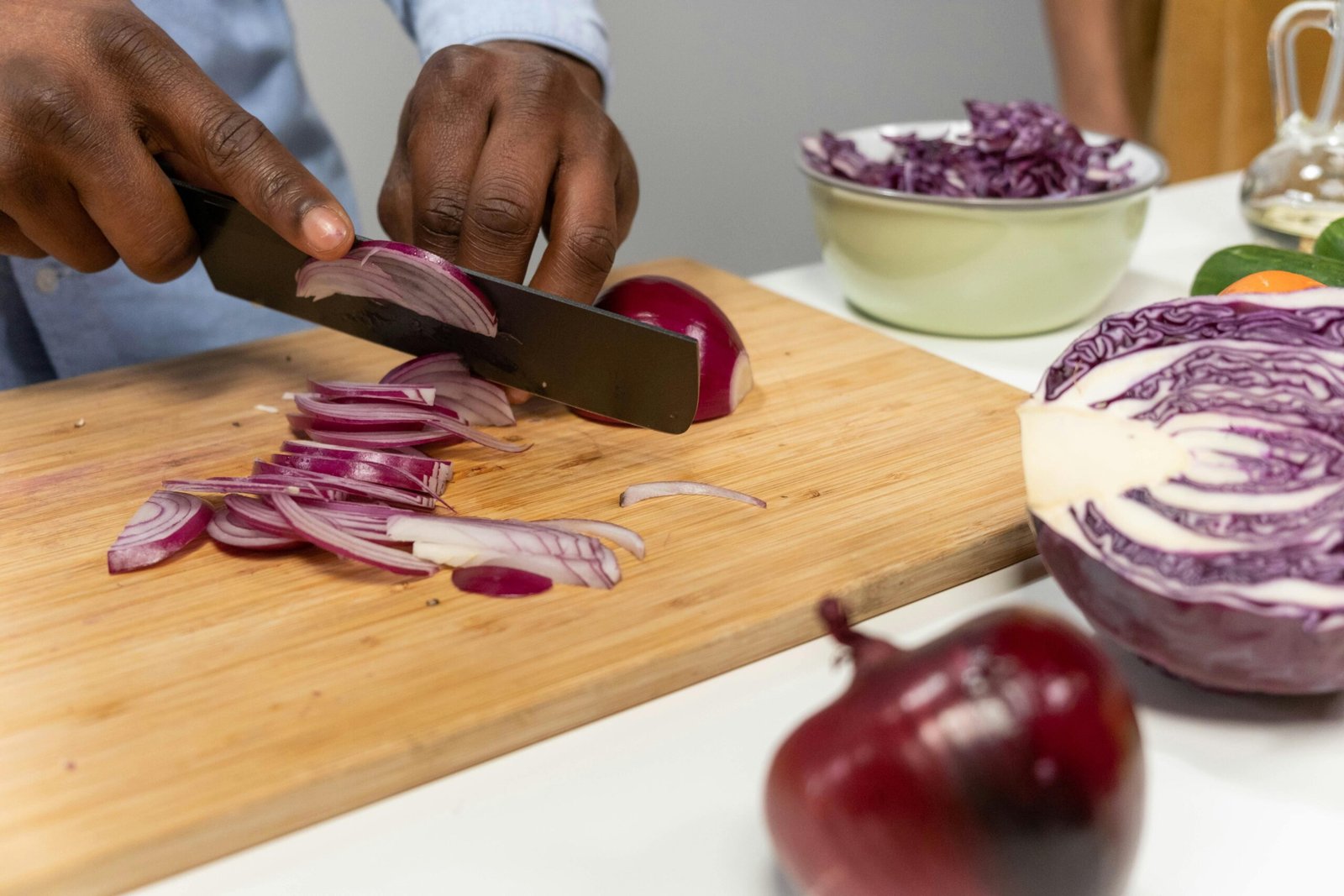
Here is your next complete blog article, ready to copy-paste into WordPress:
Onion — The Most Taken-For-Granted Vegetable in Every Indian Kitchen and What It Is Actually Doing for Your Body
Picture this. It is an ordinary evening, somewhere in India. A person opens the refrigerator, takes out whatever needs to be cooked for dinner, and reaches without thinking for the onion sitting in the basket on the counter. The knife comes out. The onion gets chopped — eyes watering, which everyone complains about and no one thinks about. It goes into hot oil. The kitchen fills with that particular smell that means cooking has properly begun. And within a few minutes, the onion has dissolved into the background of the dish, doing its foundational work, completely invisible and entirely unacknowledged.
This scene repeats in approximately 300 million Indian households every single day. The onion is so fundamental to Indian cooking that it operates below the level of conscious choice. It is not selected — it is assumed. It is not appreciated — it is used. And the extraordinary thing that this habitual invisibility obscures is that the onion is not just culinary infrastructure. It is one of the most pharmacologically interesting vegetables that grows anywhere on earth, and the compounds responsible for its pungent smell, its eye-stinging volatility, and its distinctive flavour are the same compounds doing remarkable work in the body every time the vegetable is eaten.
Understanding what the onion actually does — beyond forming the base of a masala — changes nothing about how most people will cook with it. They will continue to chop it and add it to hot oil and build their curries and sabzis on top of it. But understanding it changes what you notice, what choices you make about how to prepare it, and how you think about an ingredient so ordinary that its extraordinary properties have been hiding in plain sight for the entire history of Indian cooking.
The Compound That Makes You Cry Is the Same Compound That Heals You
When an onion is cut, it releases a cascade of volatile sulphur compounds — the most notable being allicin and its precursor compounds, along with propanethial S-oxide, which is the specific molecule responsible for the eye irritation. These sulphur compounds are produced by a chemical reaction that occurs when the cell walls of the onion are damaged — enzymes that are normally separated from their substrates within intact cells come into contact and produce these volatile molecules within seconds of the knife making contact.
This is not a coincidence or an accident of chemistry. These sulphur compounds are the onion’s defence mechanism against insects, parasites, and pathogens in the soil. They are biologically active — designed by evolution to deter or kill things that attack the plant. And this same biological activity is what makes them interesting in the human body, where they function as antimicrobial agents, anti-inflammatory compounds, and cardiovascular protectors.
Allicin and related sulphur compounds have documented antimicrobial properties against a range of bacteria, including several that cause common infections. They have antifungal properties. They have antiviral properties. None of this is at the level that makes onion a replacement for antibiotics or antivirals in medical treatment. But as a daily dietary source of low-level antimicrobial compounds in a population where exposure to pathogens is constant and where gut bacterial balance is constantly being negotiated, eating onions regularly provides a consistent, food-based contribution to the body’s antimicrobial environment.
The quercetin in onions — one of the most studied dietary flavonoids — is a potent antioxidant and anti-inflammatory compound that is found in higher concentrations in onions than in almost any other common vegetable. Quercetin inhibits several inflammatory pathways in the body, reduces the production of histamine in allergic responses, and has been studied extensively for its cardiovascular, anti-cancer, and anti-inflammatory properties. The outer layers of the onion — the dry papery skin and the first few layers beneath it — contain the highest concentrations of quercetin. This means that peeling aggressively and discarding multiple outer layers removes the most quercetin-rich portions of the vegetable.
What Onions Do for the Heart
The cardiovascular benefits of onion are among the most consistently documented in nutritional research, and they operate through several distinct mechanisms simultaneously.
Quercetin reduces LDL cholesterol oxidation — the process by which LDL cholesterol becomes the damaging, plaque-forming form that contributes to arterial disease. By functioning as an antioxidant in the bloodstream, quercetin effectively protects LDL from the oxidative damage that turns it dangerous. This is a different mechanism from the cholesterol-lowering effect of dietary fibre, and the two can work together when onions are eaten as part of a fibre-rich diet.
Sulphur compounds in onions — particularly thiosulfinates — have antiplatelet properties. They reduce the tendency of platelets to aggregate and form clots in the bloodstream. Blood clot formation in the arteries is the mechanism behind most heart attacks and many strokes. Foods that have mild antiplatelet effects — onions, garlic, ginger — reduce this risk through a gentle, cumulative, food-based mechanism that does not carry the bleeding risk of pharmaceutical antiplatelet drugs but provides meaningful protective benefit when consumed consistently over years.
Quercetin also has direct blood pressure-lowering effects. Multiple randomised controlled trials have found that quercetin supplementation reduces both systolic and diastolic blood pressure in people with hypertension. The quantities of quercetin in these studies are higher than what is delivered through normal food consumption, but consistent daily onion consumption — particularly of raw or lightly cooked onions, where quercetin is best preserved — contributes to this effect cumulatively.
The potassium in onions adds to blood pressure management through the same sodium-counteracting mechanism that applies to other potassium-rich vegetables. For a population consuming high sodium through salt-heavy cooking traditions, consistently potassium-rich vegetables are a practical dietary buffer against hypertension progression.
Gut Health — The Prebiotic Dimension Nobody Discusses
Here is the onion benefit that most people who discuss onion nutrition completely overlook, despite it being one of the most practically significant things the vegetable does.
Onions are one of the richest dietary sources of inulin and fructooligosaccharides — types of soluble fibre that are not digested in the small intestine but pass to the large intestine essentially intact, where they serve as a substrate for fermentation by beneficial gut bacteria. This makes onions a prebiotic food — they feed the bacteria rather than providing direct nutrition to the human body.
The bacteria that ferment inulin and fructooligosaccharides produce short-chain fatty acids — particularly butyrate — that are the primary energy source for the cells lining the colon, support the integrity of the gut barrier, reduce intestinal inflammation, and signal to the immune system in ways that modulate systemic inflammatory responses. The gut microbiome research of the last decade has consistently shown that the health of the gut bacterial community — its diversity, its composition, its metabolic activity — has implications that reach far beyond digestion into immune function, mental health, metabolic health, and even cognitive function.
Feeding the gut microbiome well is one of the foundational dietary practices for long-term health, and onions eaten daily are one of the most consistent and accessible prebiotic contributions available in the Indian diet. This is happening every time an onion is cooked into a dal, a sabzi, or a masala base — quietly, invisibly, and with cumulative significance that most people eating the food have never been told about.
The prebiotic benefit is higher in raw onions than in thoroughly cooked ones, because inulin degrades somewhat with prolonged heat exposure. The raw onion salad — thin-sliced with lemon juice and green chilli — that appears on the side of so many Indian meals is, from a prebiotic perspective, one of the most functionally valuable sides that the Indian food tradition has produced. It was not designed as a prebiotic intervention. It was designed as a flavour and digestive accompaniment. But it performs the function regardless of the intention behind it.
Immunity and the Anti-Inflammatory Picture
The quercetin in onions has antihistamine properties — it inhibits the release of histamine from mast cells, which is the molecule that produces the symptoms of allergic responses including nasal congestion, itching, and the inflammatory reactions associated with seasonal allergies. For people who suffer from seasonal allergies or chronic allergic rhinitis, consistent dietary quercetin from onions provides a mild but real reduction in histamine activity that can reduce the severity and frequency of symptoms over time.
Quercetin also modulates the NF-κB inflammatory pathway — one of the master regulatory switches of the inflammatory response in the body. Chronic low-level activation of NF-κB is associated with the sustained inflammation that underlies Type 2 diabetes, cardiovascular disease, certain cancers, and several autoimmune conditions. Dietary quercetin from regular onion consumption contributes to keeping this pathway in check in the way that consistent anti-inflammatory nutrition does — not through dramatic suppression but through gentle, daily modulation that accumulates over years into a meaningfully lower inflammatory baseline.
The vitamin C in onions is modest compared to dedicated sources like capsicum or amla, but it contributes to immune support and to the enhancement of iron absorption from plant-based foods in the same meal. Given how frequently onions appear in Indian meals alongside iron-rich lentils and greens, this contribution to iron absorption is practically significant even if each individual meal’s effect is small.
Red Versus White Versus Yellow — The Colour Tells You Something
The colour of an onion is not just appearance. It is information about which compounds are most concentrated in that variety, and it has practical implications for both flavour and nutrition.
Red onions — the variety most commonly used in Indian cooking across the country — derive their colour from anthocyanins, the same class of antioxidant pigments found in blueberries, red cabbage, and purple carrots. Red onions therefore have a higher antioxidant profile than white or yellow onions, with the anthocyanins adding to the quercetin that all onion varieties contain. The outer layers of red onions are particularly rich in these anthocyanins — another reason to peel minimally rather than stripping multiple layers.
Red onions also have a sharper, more pungent raw flavour that mellows beautifully with cooking but remains assertive enough when eaten raw to be used in salads and chutneys where that pungency is desirable. The raw red onion served alongside a plate of dal and roti, or mixed with tomato and coriander into a quick salad, is delivering anthocyanins and quercetin in their most bioavailable form — unaffected by cooking heat.
White onions are milder, slightly sweeter, and used more often in preparations where a less assertive onion flavour is desired. They have a lower anthocyanin content but comparable quercetin levels. Shallots — the small, clustered relatives of the onion used extensively in South Indian cooking — are in a different technical category but have a flavour profile and nutritional composition broadly similar to red onions with slightly higher sulphur compound content.
Spring onions — the thin green-stalked onions with small white bulbs sold in winter markets — are nutritionally different from mature onions. The green stalks are rich in vitamin K and chlorophyll, while the small bulbs contain a milder version of the sulphur compounds and quercetin of mature onions. They are used raw more readily than mature onions and deliver their nutrients in uncooked form, which preserves heat-sensitive compounds including vitamin C and some quercetin.
The Raw Versus Cooked Question — What Cooking Changes
This is worth understanding clearly because there are genuine trade-offs between raw and cooked onion that affect how you get the most from the vegetable in different preparations.
Raw onions preserve more quercetin, more vitamin C, more of the volatile sulphur compounds, and the prebiotic fibre in its most effective form. The antimicrobial, antihistamine, antioxidant, and prebiotic benefits are strongest in raw or minimally cooked onion.
Cooked onions — particularly caramelised onions that have been cooked slowly over low heat until deeply brown and sweet — have significantly reduced quercetin and vitamin C but have developed new flavour compounds through the Maillard reaction and caramelisation that make them one of the most complex flavour bases in cooking. The sulphur compounds that cause eye irritation convert to sweeter-smelling compounds with cooking, which is why cooked onions smell so different from raw ones.
Long-cooked onion masalas — where onions are fried until golden or darker — deliver reduced but still meaningful quercetin, better-absorbed sulphur compounds in the fat of the cooking medium, and the flavour depth that is the foundation of most Indian gravies and curries.
The practical resolution is the same as with most vegetables where cooking creates trade-offs — eat onions in both raw and cooked forms across the week. The raw salad with every meal, the cooked masala base in every curry and dal. Each form provides what the other cannot, and the Indian food tradition already uses both consistently — it just does so without any particular awareness of why each form matters.
The Onion Peel — A Source Most People Literally Throw Away
This is something worth knowing specifically because it requires no additional purchase, no special preparation, and no change to how cooking is done — just a change in what gets discarded.
The dry outer papery skin of the onion — the brown or purple-red layers that are peeled off and thrown in the bin before chopping — contains concentrated quercetin at levels significantly higher than the inner flesh. The skin also contains the highest density of anthocyanins in red onions. These layers are not edible in the conventional sense — they are dry, papery, and would be unpleasant in a finished dish. But they release their compounds readily into liquid.
Onion skins simmered in water for fifteen to twenty minutes produce a stock that is rich in quercetin and other flavonoids. This stock can be used as the liquid base for dal, soup, rice cooking, or any preparation that involves water. The flavour is mild and slightly savoury — it does not taste like raw onion and does not overpower whatever dish it is used in. The nutritional addition is meaningful.
Households that make this a habit — saving cleaned onion skins in a container, simmering them periodically to make stock, and using that stock in cooking — are extracting significant additional value from an ingredient that is currently being discarded without thought. It takes five minutes of actual attention and produces a genuine nutritional upgrade to daily cooking at zero additional cost.
Common Mistakes That Reduce Onion’s Value
Peeling too aggressively is the most widespread mistake. The first layer of flesh beneath the papery skin — the slightly darker, more intensely coloured outer layer — is the quercetin-richest part of the edible onion. Peeling multiple layers to get to the pristine white interior removes the most nutritionally valuable portion. Peel only the dry papery skin and use the first layer of flesh.
Cooking onions at very high heat for short periods — burning rather than sautéing — destroys the quercetin and sulphur compounds rapidly. The sweet spot for both flavour and nutrition is medium heat over a longer period — the slow, patient cooking that brings out the onion’s sweetness and allows the sulphur compounds to develop and integrate into the fat of the cooking medium rather than being burned off.
Soaking chopped onions in water to reduce pungency before eating raw is a common practice that also leaches quercetin and water-soluble sulphur compounds into the soaking water, which is then discarded. For raw salads, a brief soak of five to ten minutes is reasonable for palatability. A prolonged soak or multiple water changes strips the nutrition along with the sharpness.
Storing onions in the refrigerator without cause — many people automatically refrigerate everything — reduces their quality over time. Whole onions store best in a cool, dark, ventilated space at room temperature. Refrigeration makes the outer layers absorb moisture and deteriorate faster. Only cut onions, which begin to oxidise and develop off-flavours once sliced, should be refrigerated and used within a day or two.
Onion in Traditional Indian Medicine
The onion has a well-documented place in Indian traditional medicine that predates written Ayurvedic texts and extends across folk medicine systems throughout the subcontinent. Raw onion juice applied topically has been used for bee stings, insect bites, and minor skin infections — the antimicrobial properties of allicin and related compounds providing a direct antiseptic effect. This is not a superstition — it is a practical application of the same antimicrobial chemistry that makes garlic and onion effective against foodborne pathogens.
Onion syrup — onion juice combined with honey — has been used across North India as a home remedy for cough and cold symptoms. The antimicrobial properties of the onion compounds combined with the soothing and antimicrobial properties of honey produce a preparation that addresses respiratory infection symptoms in a way that has been used across cultures and is now the subject of research examining its actual efficacy.
For earache, a traditional remedy involves warming a small amount of onion juice and applying a few drops to the ear. The antimicrobial and mildly anti-inflammatory properties of onion provide the basis for this application. Headache relief through application of sliced onion to the forehead is another traditional use that appears across multiple regional traditions — the volatile compounds in the onion have mild vasodilatory effects that may contribute to this relief.
None of these traditional applications replace medical treatment for serious conditions. But they represent a sophisticated, accumulated understanding of the onion’s active properties that developed entirely through observation and passed down through generations of practical household medicine.
Choosing and Storing Onions
At the market, choose onions that are firm and dry throughout — any softness indicates internal deterioration. The neck at the top should be tightly closed and dry, not open or moist, which signals the beginning of sprouting or rot. The outer papery layers should be fully intact and rustling — damp or damaged outer skin is a warning sign.
Size does not indicate quality in onions, but consistency of firmness across the entire surface does. Press gently around the onion — any give, particularly near the top or the bottom, indicates soft spots beneath.
Onions with visible green shoots sprouting from the top have begun diverting their stored nutrition into the new growth. They are safe to eat but are past their peak and have lower sugar content and somewhat altered flavour. Use them promptly rather than storing further.
Store whole onions in a mesh bag, a basket, or any container that allows air circulation, in a cool, dark, dry location away from direct sunlight and away from potatoes. Onions and potatoes stored together produce gases that accelerate deterioration in both. Properly stored in a suitable environment, whole onions keep for several weeks to months without significant quality loss.
FAQ
Q: Why do onions make your eyes water and can you prevent it? The eye irritation comes from propanethial S-oxide, a volatile compound released when onion cells are damaged by cutting. It reacts with the moisture on the eye’s surface to form a mild sulphuric acid solution that triggers the tearing reflex. Chilling the onion in the refrigerator for thirty minutes before cutting slows the enzyme reaction that produces the compound. Cutting near an open window or under a running exhaust fan disperses the volatile molecule before it reaches the eyes. Using a very sharp knife causes less cell damage and produces less of the compound than a dull knife. None of these completely eliminates the reaction, but each reduces it meaningfully.
Q: Are raw onions hard to digest for some people? Yes. The fructooligosaccharides in onions — the prebiotic fibre — can produce gas and bloating in people whose gut bacteria ferment them rapidly, which produces more gas as a byproduct. This is more common in people with irritable bowel syndrome and in those who are not accustomed to a high-fibre diet. Cooked onions are significantly easier to digest than raw because heat partially breaks down the fructooligosaccharides. Starting with small amounts of raw onion and increasing gradually allows the gut microbiome to adapt over time.
Q: Does onion interact with any medications? The antiplatelet properties of onion sulphur compounds can have mild additive effects with blood-thinning medications like warfarin or aspirin. For people on anticoagulant therapy, dramatic increases in onion consumption should be discussed with the prescribing doctor. Normal cooking quantities in a regular diet are not a concern. Onion may also have mild blood sugar-lowering effects that could be relevant for people on diabetes medication — again, normal dietary amounts are not a clinical concern but monitoring is reasonable if large therapeutic amounts are being consumed.
Q: Is it true that onions should not be stored after cutting? Cut onions should be stored in an airtight container in the refrigerator and used within one to two days. Once cut, the sulphur compounds in onion begin reacting with oxygen and the exposed surfaces can absorb odours from the refrigerator. Cut onion is also susceptible to bacterial growth more rapidly than whole onion. The concern about cut onions being toxic that circulates on social media is not supported by evidence — it is safe to store and eat cut onion that has been properly refrigerated within a reasonable timeframe.
Q: Do onions have any benefit for hair or skin used topically? Onion juice applied to the scalp has been studied in small clinical trials for alopecia areata — a specific type of patchy hair loss — with some positive results, attributed to the sulphur compounds supporting collagen production and having antimicrobial effects on the scalp. For general hair loss or thinning, the evidence is much weaker. The strong smell of onion juice on the scalp is a significant practical deterrent for most people. Applied topically for minor skin infections or insect bites, the antimicrobial properties of raw onion have traditional support and some research backing.
Conclusion
The onion has never needed a publicist. It has never required marketing or rebranding or a scientific discovery to justify its place in the kitchen. It has been there, indispensable and unquestioned, for so long that its presence is simply assumed as a condition of cooking existing at all.
What it has needed — and what it still needs — is the simple acknowledgment that it is doing something. That the tears it provokes in the chopping are the same chemistry that protects the heart. That the smell it fills the kitchen with is the same sulphur activity that gives the gut its daily antimicrobial support. That the invisible layers being peeled away before cooking begins are the most quercetin-rich part of the vegetable. That the raw salad on the side of the plate is feeding gut bacteria in ways that influence immunity and inflammation and metabolic health in ways that extend far beyond what anyone sitting at that table is likely to be thinking about.
The onion does not need to be exotic to be extraordinary. It never did. It just needed someone to look at it clearly enough to see what was already there — in every kitchen, in every pot, on every table, doing its quiet and essential work with no expectation of recognition.
It deserves at least a moment of it.


