 (+91) 9445444862
 Info@indbiz.in


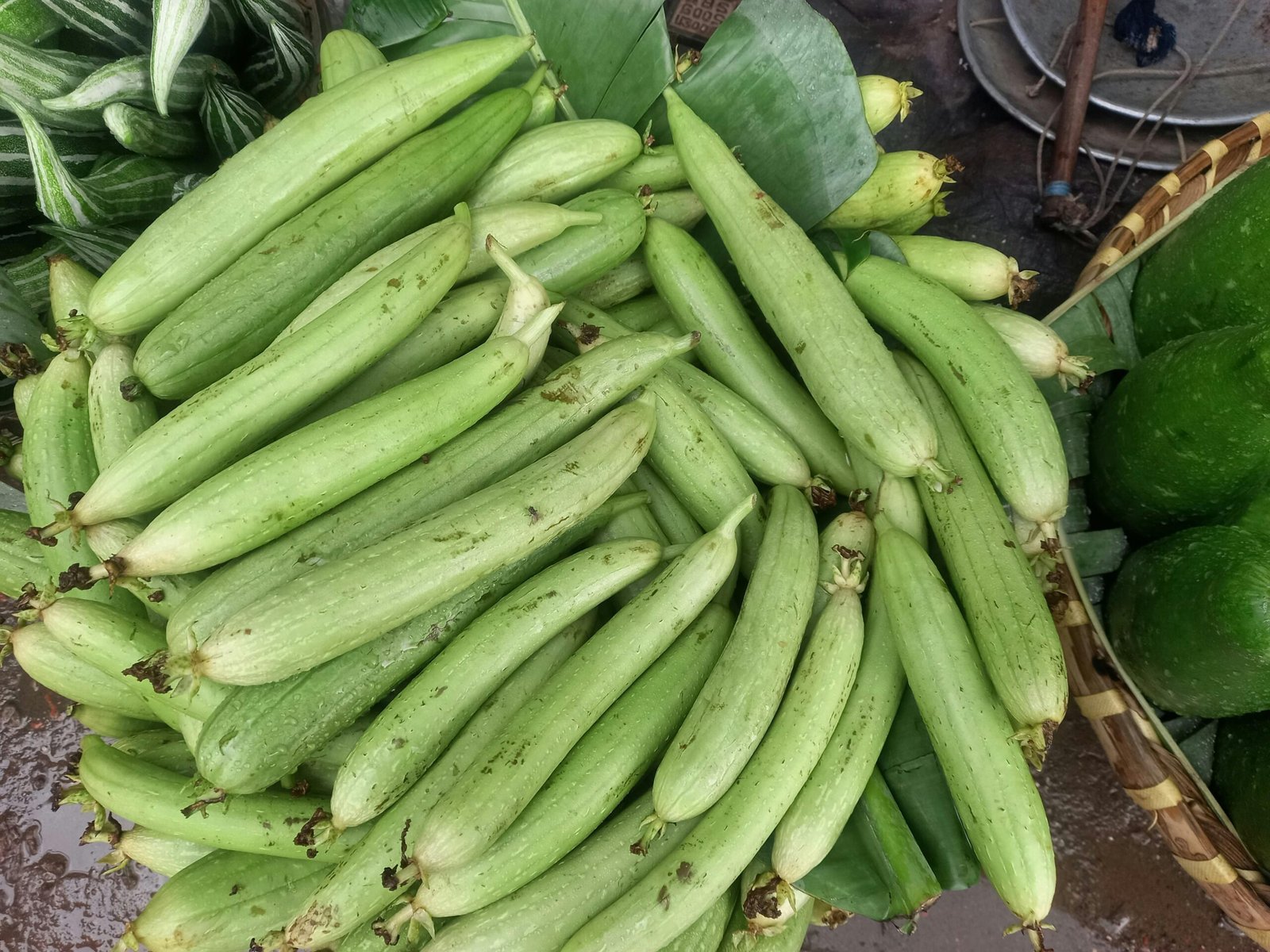
If bitter gourd has a reputation problem because of its flavour, bottle gourd has a different and arguably worse problem — it has almost no reputation at all. It is the beige cardigan of the vegetable world. Inoffensive, reliable, completely overlooked, and only appreciated by people who have understood something about it that most others have not bothered to find out. Ask someone what they think of lauki and the response, when it comes, is usually a mild shrug. It is fine. It is what you make when there is nothing more interesting to cook. It is the vegetable that people associated with hospital food and convalescence and the kind of eating that happens when someone in the family is unwell and everything needs to be gentle and simple.
That association — lauki as the vegetable of illness and recovery — is actually the most honest indication of what bottle gourd is and what it does. It has been used in that context for precisely the reason that it is gentle, easy to digest, deeply hydrating, easy on the liver and kidneys, and capable of supporting a body that is under stress without adding any burden of its own. The problem is that this reputation has confined bottle gourd to the edge of the plate — brought out when needed, put away when health returns — rather than establishing it as the everyday vegetable it genuinely deserves to be.
What the Lauki Actually Is
Bottle gourd — Lagenaria siceraria — is one of the oldest cultivated plants in human history. Botanical and archaeological evidence suggests it was among the first plants domesticated by humans, with evidence of cultivation in Asia and Africa dating back twelve thousand years or more. It spread across the globe remarkably early, carried by human migration and by the fact that its dried shell — lightweight, hard, and hollow — floated across oceans and washed up on shores where it was subsequently cultivated. The bottle gourd’s historical range is broader than almost any other food plant, which speaks to its adaptability and to the way people who encountered it immediately understood its usefulness.
In India, bottle gourd appears under different names across regions — lauki or doodhi in Hindi and Marathi, sorakkai in Tamil, anapakaya in Telugu, churakka in Malayalam. The variations in name reflect the depth of its integration into regional cooking traditions, each of which has developed its own preparations and its own understanding of when and how the vegetable is most useful.
The vegetable itself is pale green, smooth-skinned, and available in different shapes depending on variety — long and cylindrical, short and round, or the classic bottle shape with a narrow neck and wider base that gives it its English name. The inner flesh is white, high in water content, and very mild in flavour. It becomes completely soft with cooking, absorbs surrounding flavours readily, and requires minimal cooking technique to produce an acceptable result — which contributes to both its practical usefulness and its underestimation.
The Water Content and Why It Matters More Than You Think
Bottle gourd is approximately 96 percent water. This is the number that causes most nutritionally-minded people to dismiss it as having little to offer — if it is almost entirely water, what exactly is the nutritional case? This reasoning misunderstands what water content in a whole food vegetable actually means for the body.
Water delivered in a food matrix behaves differently in the body from plain drinking water. It arrives with dissolved minerals — particularly potassium, calcium, and magnesium — that are necessary for cellular hydration and electrolyte balance. It arrives with soluble fibre that slows its absorption and extends the hydration benefit over a longer period. It arrives with the anti-inflammatory compounds and antioxidants present in the vegetable that plain water obviously cannot provide. And it arrives in a form that the digestive system recognises as food and processes through the full digestive pathway rather than as fluid that passes through more rapidly.
For this reason, bottle gourd is one of the most effective foods for sustained hydration support — particularly relevant in the Indian summer when ambient temperatures are extreme, sweat losses are high, and the body’s fluid and electrolyte balance requires more deliberate support than simply drinking the recommended amount of water. A meal that includes a generous serving of bottle gourd sabzi or a bowl of lauki dal is providing hydration support in a form that lasts through the afternoon in a way that a glass of water consumed at the same time does not.
The kidneys benefit directly from this consistent, mineral-rich hydration. Adequate fluid intake through the day is one of the most important dietary factors for kidney health and for the prevention of kidney stones, which are increasingly common in populations with high dietary oxalate and insufficient fluid intake. Bottle gourd provides fluid, dilutes urinary oxalate concentration, and contains compounds that have traditionally been associated with urinary tract health — all of which support kidney function in a daily, gentle, food-based way.
What Happens in the Body Beyond Hydration
Despite its predominantly water composition, bottle gourd does contain meaningful micronutrients that contribute to overall nutrition in ways that accumulate with regular consumption.
Vitamin C in bottle gourd is modest but present, contributing to the daily intake and to the enhancement of iron absorption from lentils and greens eaten in the same meal. Vitamin B complex — including folate, thiamine, and niacin — appears in small but consistent quantities. The folate is relevant for the same reasons it is relevant in spinach and methi — DNA synthesis, red blood cell production, and neural tube development during early pregnancy.
The mineral content — potassium, calcium, magnesium, and iron in modest quantities — contributes to the overall daily intake of these essential minerals in a food that is being consumed in meaningful volume. Because bottle gourd dishes typically involve a substantial serving — the vegetable cooks down but is eaten in generous amounts — the cumulative mineral contribution is more significant than the per-hundred-gram analysis suggests.
Bottle gourd contains a group of compounds called cucurbitacins — the same family of compounds found in bitter gourd — that have been studied for anti-inflammatory and antioxidant properties. Unlike bitter gourd, bottle gourd contains these compounds in concentrations too low to produce any bitter flavour, but the anti-inflammatory activity they provide in those lower concentrations contributes to the overall anti-inflammatory effect of regular bottle gourd consumption.
Choline — a nutrient that is essential for liver function, fat metabolism, nerve signalling, and memory — is present in bottle gourd in small but useful quantities. Most people are not aware of choline or do not know whether they are getting adequate amounts. Dietary surveys consistently find that choline intake is below recommended levels in a large proportion of the population, and liver health problems including non-alcoholic fatty liver disease are partly associated with chronic choline insufficiency. Bottle gourd as a regular dietary source of choline is not a solution to clinical choline deficiency, but it contributes to the overall intake in a way that the cumulative effect of many such contributions from varied food sources addresses.
The Digestive Gentleness — Why It Is the Vegetable for Recovery
The reason bottle gourd became associated with illness and recovery is the same reason it deserves to be eaten more regularly by healthy people. The digestive system requires less effort to process bottle gourd than almost any other cooked vegetable. The high water content means there is minimal concentrated fibre to work through. The very soft cooked texture means that the mechanical breakdown of the food has already been largely accomplished by cooking before digestion begins. The mild flavour and absence of pungent volatile compounds means there is no stimulation of gastric acid secretion beyond the normal digestive response.
For someone recovering from fever, gastrointestinal illness, or surgery, the digestive system is operating at reduced capacity — the gut barrier may be compromised, inflammation may be reducing enzyme activity, and the body’s resources are directed toward healing rather than digestion. A vegetable that asks almost nothing of a system that has very little to give is not just palatable in these circumstances — it is functionally appropriate. The fact that bottle gourd has been used across generations for exactly this purpose reflects an accurate understanding of this property.
But the same gentleness that makes bottle gourd appropriate for recovery makes it a sensible regular addition for people with irritable bowel syndrome, chronic acidity, post-antibiotic gut disruption, inflammatory bowel conditions, and for elderly individuals whose digestive capacity has reduced. It is one of the vegetables that very few people with sensitive digestive systems cannot tolerate, which makes it a reliable inclusion in diets where many vegetables produce discomfort.
Weight Management — The Case for High Volume, Low Calorie Eating
One hundred grams of cooked bottle gourd contains approximately 12 to 15 calories. A generous serving of lauki sabzi — 200 to 250 grams of the cooked vegetable — is 25 to 35 calories. This is caloric intake so low that it is essentially negligible in terms of energy contribution while providing genuine volume and satiety through the water and fibre content.
For people managing weight, the practical challenge is almost never a lack of willpower or information — it is the persistent experience of hunger and restriction that makes dietary change unsustainable over time. Eating less while feeling less satisfied is difficult to maintain across weeks and months. Building meals around high-volume, low-calorie foods that genuinely fill the stomach and signal satiety to the brain changes this experience — it becomes possible to eat a plate of food that looks and feels like a real meal while consuming significantly fewer calories than a plate of equal visual volume made from denser ingredients.
Bottle gourd is one of the most effective vegetables for this approach. A dal made with lauki contains the protein and fibre of the lentils combined with the volume and hydration of the gourd, producing a meal that is filling, nutritious, and modest in calories. A bottle gourd raita — grated raw or lightly cooked lauki folded into curd — adds volume and probiotic benefit to a meal at almost no additional caloric cost. A bottle gourd sabzi served alongside dal and a single roti creates a meal that is nutritionally complete and satisfying without the caloric density that the same roti eaten with a potato or paneer-based dish would carry.
The Heart Health Picture
The cardiovascular relevance of bottle gourd operates through several mechanisms that are worth understanding separately.
The soluble fibre in bottle gourd — while modest in quantity — contributes to the overall dietary fibre intake in a way that supports cholesterol management. Combined with the fibre from dal, vegetables, and whole grains in a typical Indian meal, bottle gourd’s contribution adds to the cumulative fibre effect that reduces LDL cholesterol absorption and increases bile acid excretion from the gut.
The potassium content supports blood pressure management through the sodium-counteracting mechanism that applies across all potassium-rich vegetables. For hypertensive individuals, the regular inclusion of potassium-rich foods in daily cooking is a practical dietary strategy that complements whatever medical management is in place.
There is traditional and some research-based support for bottle gourd having a direct positive effect on the heart muscle in certain conditions — it has been used in Ayurvedic preparations for cardiac weakness and in folk medicine for palpitations. The research here is less developed than for cardiovascular effects of garlic or fenugreek, but the traditional use is specific enough and consistent enough across unrelated regional medicine systems to suggest there is something real being observed.
The Liver and Kidneys — Two Organs That Appreciate Lauki
In Ayurvedic classification, bottle gourd is specifically identified as beneficial for the liver — cooling, cleansing, and supportive of hepatic function in a way that makes it particularly appropriate for people whose livers are under stress from alcohol, medication, processed food, or illness.
The choline content — modest but present — directly supports liver function by facilitating fat metabolism and preventing fat accumulation in liver tissue. The high water content supports the liver’s detoxification function by keeping the overall fluid balance of the body in a state that allows efficient toxin processing and renal excretion. The anti-inflammatory compounds reduce hepatic inflammation in a gentle, cumulative way.
For the kidneys specifically, bottle gourd’s combination of high water content, relatively low oxalate levels compared to many other vegetables, and potassium that supports kidney perfusion makes it one of the most kidney-friendly vegetables in the Indian kitchen. People who are prone to kidney stones, who have a family history of kidney disease, or who are recovering from urinary tract infections benefit from regular bottle gourd consumption as part of a diet designed to support urinary health.
The Juice Question — Benefits and One Important Warning
Bottle gourd juice — extracted from raw lauki and consumed on an empty stomach — has become a popular morning health practice in many urban Indian households, promoted for its hydrating, detoxifying, and weight management properties. Most of these promoted benefits have genuine basis in the vegetable’s properties when consumed in cooked form.
However, bottle gourd juice requires one important and non-negotiable precaution that everyone using it should know. Bitter-tasting bottle gourd should never be juiced or consumed raw. A bottle gourd that tastes bitter when a small piece is tasted before juicing contains high concentrations of cucurbitacins — the same compounds present in very low amounts in normal bottle gourd — at levels that are toxic and have caused serious illness, hospitalisation, and in rare cases death following consumption.
This bitterness is not always obvious from the outside appearance of the gourd. The standard protocol before juicing any bottle gourd is to cut a small piece and taste it before proceeding. If it tastes bitter at all — even mildly — discard the entire gourd. Do not juice it. Do not cook it. Do not attempt to reduce the bitterness through any preparation method. The cucurbitacin that causes bitterness in cucurbits is not removed by cooking or dilution.
This is not a reason to avoid bottle gourd juice entirely. It is a reason to taste before juicing, every single time, without exception. This step takes five seconds and has no downside. Omitting it has produced serious consequences in people who assumed the gourd was safe because it looked normal.
Normal, non-bitter bottle gourd juice is safe, hydrating, and provides the micronutrients and anti-inflammatory compounds of the vegetable in a concentrated, easily absorbed form. Taken with a small amount of lemon and a pinch of black salt, it is a genuinely pleasant morning preparation. Taken without the bitterness check, it is a potential emergency.
How to Cook Bottle Gourd Well — Beyond the Basic Sabzi
The reputation of bottle gourd for blandness is partly justified and entirely manageable. The vegetable’s mild flavour is precisely what makes it versatile — it takes on surrounding flavours completely, which means the cooking has to bring those flavours in order for the finished dish to be interesting.
Lauki dal — bottle gourd cooked into moong or toor dal — is one of the most practical and nutritious everyday preparations. The lentils provide protein and body, the bottle gourd adds volume and hydration, and the combined dish is richer and more complex than either ingredient alone. The tempering here is important — a generous tempering of cumin, garlic, dried chilli, and a pinch of asafoetida lifts the flavour of what would otherwise be a very gentle combination into something that is genuinely satisfying.
Lauki kofta — bottle gourd dumplings made by grating the vegetable, squeezing out excess moisture, mixing with besan and spices, shaping into balls, and cooking in a light yoghurt or tomato-based gravy — transforms the vegetable completely. The koftas have a texture nothing like the cooked vegetable directly, the preparation concentrates the flavour, and the result is a dish that most people who claim to dislike bottle gourd would eat without complaint if they did not know what was in it.
Lauki halwa — made by cooking grated bottle gourd in milk with sugar and cardamom — is a lighter alternative to gajar halwa with a more delicate sweetness and a similar technique. It is less known outside certain North Indian communities but is a legitimate and delicious dessert preparation that demonstrates the vegetable’s versatility across both savoury and sweet applications.
Bottle gourd raita — grated and lightly salted lauki squeezed of excess moisture and folded into curd with roasted cumin, green chilli, and coriander — is a cooling, probiotic-rich accompaniment that works alongside any spiced preparation and provides the vegetable’s hydration benefit in raw or minimally cooked form.
Lauki soup made with onion, garlic, ginger, and light spices is one of the most soothing and restorative preparations for the vegetable — genuinely excellent when someone is unwell or when a light dinner after a heavy midday meal is what the evening calls for.
Selecting and Storing Bottle Gourd
At the market, choose bottle gourds that feel heavy and solid for their size. The skin should be smooth, pale to medium green, and should yield very slightly to firm thumbnail pressure — if it is completely rock-hard and does not yield at all, the gourd is too mature and the interior flesh will be coarser and less pleasant. If it yields easily or feels soft, it is past its best.
Medium-sized gourds are generally better than very large ones — the seeds in large, mature gourds become hard and the flesh coarser. The stem end should look fresh rather than completely dried and shrivelled.
Store whole bottle gourd at room temperature in a cool, ventilated space. It keeps well for one to two weeks under these conditions. Once cut, refrigerate the remaining portion wrapped in a cloth or plastic and use within three to four days. The cut flesh darkens slightly with exposure to air but remains perfectly usable.
Some local vegetable markets and grocery delivery services that source seasonal produce carry bottle gourd reliably through most of the year — it is one of the more year-round vegetables in the Indian market, with different growing seasons in different regions ensuring consistent supply.
FAQ
Q: Is bottle gourd juice safe to drink daily? Bottle gourd juice from non-bitter gourds is safe for daily consumption for most healthy adults. Always taste a small piece of the raw gourd before juicing — discard immediately if any bitterness is detected. A glass of 150 to 200 millilitres in the morning is a reasonable daily amount. People with low blood pressure should be aware that bottle gourd has mild blood pressure-lowering properties.
Q: Can bottle gourd be eaten raw? Yes, grated bottle gourd can be eaten raw in raita or salad preparations. Always do the bitterness taste test before consuming any raw bottle gourd preparation. Raw bottle gourd has a mild, fresh flavour and slightly crisp texture that works well in raita and certain salads.
Q: Is bottle gourd good for pregnant women? Yes. Bottle gourd is gentle, hydrating, and contains folate that is important in early pregnancy. It is easy to digest and unlikely to aggravate the nausea that affects many women in early pregnancy. It is one of the more universally recommended vegetables during pregnancy in traditional Indian dietary guidance and the reasoning behind this recommendation is nutritionally sound.
Q: Why does my bottle gourd sometimes taste bitter after cooking? If bitter-tasting raw bottle gourd is cooked, the cucurbitacins responsible for the bitterness are not destroyed by heat. The cooked preparation will also taste bitter and should not be consumed. This is the reason the bitterness test should be performed on the raw vegetable before cooking begins, not after the dish is made.
Q: Can bottle gourd help with sleep? Bottle gourd has been used in certain traditional preparations for improving sleep quality, and the choline content — which supports neurotransmitter production — provides a partial mechanistic basis for this. The magnesium in bottle gourd contributes to nervous system relaxation. The overall calming, cooling, and digestive-easing effect of bottle gourd in the evening meal may support easier sleep onset in people who find that heavy evening meals disrupt sleep. This is not a powerful sleep intervention, but as part of a light, easy-to-digest evening meal, bottle gourd contributes to the conditions that support restful sleep.
Conclusion
The beige cardigan does not ask to be noticed. It just does its job — warmly, reliably, without complaint or drama — and the people who wear it tend to feel better for having it than the people who chose something more attention-grabbing and less practical.
Bottle gourd is exactly that vegetable. It will not trend. It will not appear on the menu of a fashionable restaurant described as an ancient superfood. It will not be rebranded and sold in a powder at a premium price point. It will sit in the vegetable market in its pale, smooth, slightly awkward abundance, being bought by the people who know what it does and overlooked by those who have not found out yet.
What it does is simple and consistent and completely reliable. It hydrates deeply. It eases digestion. It supports the liver and kidneys in their daily work. It fills the plate and the stomach without asking much in return. It takes whatever flavour the cooking brings and carries it without ego. It works when the body is well and it works even better when the body is not.
The vegetable of recovery and convalescence is, it turns out, one of the best vegetables for health and prevention as well. It just never bothered to tell anyone.
It is time someone did.


