 (+91) 9445444862
 Info@indbiz.in


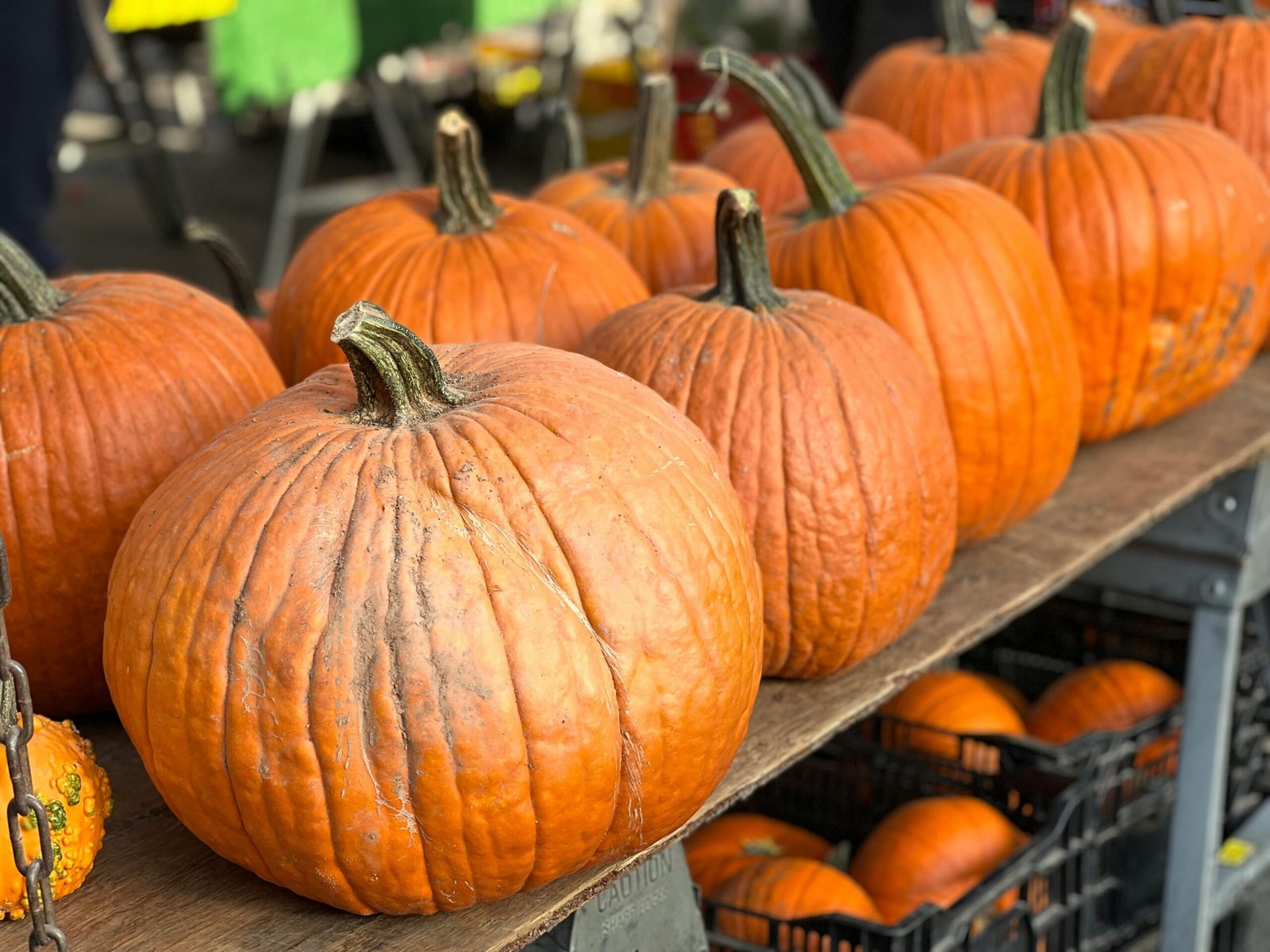
There is something almost comical about the way pumpkin gets treated in most Indian households. It is physically large — sometimes enormous, a single piece from the market weighing two or three kilograms and sitting on the kitchen counter like a small monument. It is visually dramatic with its deep orange interior and its green or orange skin depending on the variety. It has been grown across the Indian subcontinent for centuries and appears in the cooking traditions of virtually every region. And yet in most urban Indian kitchens, it shows up once every few weeks at best, usually because someone bought a piece without quite knowing what to do with it, and it gets made into the same sabzi it always gets made into, eaten without much enthusiasm, and then not bought again for another month.
The problem is not the vegetable. The problem is a combination of unfamiliarity with how to use it well and a complete lack of awareness about what it actually contains. Because pumpkin — kaddu, as it is called across most of the Hindi-speaking belt, or mathanga in Malayalam, or kumbalakai in Kannada — is one of the most nutritionally generous vegetables available in the Indian market. Its large size and modest price point mean that a single purchase provides enough vegetable for multiple meals. Its orange colour, like beetroot’s red, is directly advertising the concentration of carotenoids inside. And its versatility across sweet and savoury preparations makes it one of the more useful vegetables to understand properly.
The Colour Is the Story
The vivid orange of pumpkin flesh comes from beta-carotene — the same carotenoid pigment found in carrots, and the same compound the body converts to vitamin A. The intensity of the orange colour directly indicates the concentration of beta-carotene — a deeply, vividly orange pumpkin contains more of it than a pale, yellowish one. This is one of the most visually legible pieces of nutritional information available in a vegetable market, and it costs nothing to read.
Pumpkins grown and sold in India vary considerably in colour depending on variety, growing conditions, and season. The deep orange-fleshed varieties that are now more widely available in urban markets — partly as a result of increasing awareness of the nutritional value of carotenoid-rich vegetables — are significantly richer in beta-carotene than the pale-fleshed varieties that have traditionally been more common in certain regions. Where the choice exists, the deeper the orange of the flesh, the better the carotenoid content.
The beta-carotene story in pumpkin follows the same logic as in carrots. Fat-soluble, significantly more bioavailable from cooked pumpkin eaten with some dietary fat than from raw pumpkin eaten without fat. The traditional Indian preparation of kaddu ki sabzi cooked in oil with a proper tempering is, from this perspective, a nutritionally well-aligned preparation — the oil provides the fat necessary for carotenoid absorption while the spices provide the anti-inflammatory and digestive support that makes the overall meal more effective.
Beyond beta-carotene, pumpkin contains lutein and zeaxanthin — the carotenoids that concentrate in the retina and protect against age-related macular degeneration. The combination of multiple carotenoids in a single vegetable is more valuable than any single carotenoid alone, because different carotenoids are absorbed and utilised through partially different pathways and provide protection against different types of oxidative damage.
Vitamin A and Immunity — The Numbers Are Impressive
A single cup of cooked pumpkin provides well over 200 percent of the recommended daily intake of vitamin A for most adults. This is an exceptional nutritional concentration for a vegetable that costs a few rupees per piece and requires no special preparation technique.
Vitamin A’s role in immunity is specific and important. It maintains the mucosal surfaces — the epithelial linings of the respiratory tract, digestive tract, and urinary tract — that form the physical barrier against pathogen entry. When vitamin A is deficient, these surfaces become less effective, increasing susceptibility to respiratory infections, gastrointestinal infections, and urinary tract infections. In children, vitamin A deficiency is a major contributor to increased severity of common childhood infections — measles, diarrhoea, and respiratory illness are all significantly more dangerous in vitamin A deficient children than in those with adequate status.
India has a significant burden of vitamin A deficiency, particularly in children and in rural populations with limited dietary diversity. But urban populations eating diets increasingly dominated by refined food and with limited vegetable variety are not immune to this deficiency. Regular consumption of deeply orange vegetables — pumpkin, carrot, sweet potato — is one of the most practical dietary strategies for maintaining adequate vitamin A status, particularly for children who are in the developmental years when vitamin A is most critical.
The vitamin A from beta-carotene in plant sources is converted to the active form in the body at a rate that is regulated by the body’s needs — when vitamin A status is adequate, conversion slows, preventing the toxicity that is possible from excess preformed vitamin A from animal sources. This makes vegetable-sourced beta-carotene a safe and self-regulating way to maintain vitamin A status without any risk of over-accumulation.
Fibre, Blood Sugar, and the Diabetic-Friendly Profile
Pumpkin has a reputation in some dietary circles as a high-glycaemic vegetable that diabetics should avoid. This reputation requires some examination because it is significantly more nuanced than a simple avoid-or-eat verdict.
The glycaemic index of pumpkin is indeed relatively high — around 75 for cooked pumpkin — which is the basis for the concern. But glycaemic index is only part of the picture. Glycaemic load — which accounts for both the glycaemic index and the amount of carbohydrate per typical serving — is considerably more relevant for real eating situations. Pumpkin has a low glycaemic load because a typical serving contains a relatively small amount of actual carbohydrate despite the high glycaemic index. The volume of pumpkin in a standard sabzi serving translates to a modest carbohydrate contribution that does not produce dramatic blood sugar spikes in most people.
The fibre in pumpkin — both soluble and insoluble — slows gastric emptying and moderates the glucose absorption from the meal as a whole. When pumpkin is eaten as part of a balanced meal that includes protein from dal, fat from the cooking oil, and additional fibre from other vegetables, the glycaemic impact is moderated further.
The practical conclusion is that pumpkin is not a vegetable diabetics need to avoid — it is a vegetable diabetics need to eat in appropriate portions as part of balanced meals rather than alone in large quantities. This is the same guidance that applies to most moderate-glycaemic-index foods. The nutritional benefits of pumpkin’s beta-carotene, vitamin A, fibre, potassium, and antioxidants are fully available to people managing diabetes who eat it sensibly.
Potassium, Heart Health, and Blood Pressure Support
Pumpkin is an exceptionally good source of potassium. A single cup of cooked pumpkin contains more potassium than a banana — the food most commonly associated with dietary potassium. This potassium concentration is directly relevant to cardiovascular health through the well-established mechanism by which dietary potassium counteracts the blood-pressure-raising effect of dietary sodium.
The typical Indian diet is high in sodium — through salt used in cooking, through pickles, papads, and other preserved foods, and increasingly through processed and packaged foods that are major sodium contributors in urban diets. The balance between sodium and potassium in the diet has a direct effect on blood pressure and on cardiovascular risk, and most urban Indian diets are significantly sodium-heavy relative to potassium. Vegetables like pumpkin, which are naturally potassium-rich without being sodium sources, shift this balance in a beneficial direction every time they appear in a meal.
The antioxidant activity of pumpkin’s carotenoids also contributes to cardiovascular protection by reducing the oxidation of LDL cholesterol — the same mechanism by which other carotenoid-rich foods provide heart health benefit. The fibre contributes to modest cholesterol reduction through bile acid binding. And the vitamin C in pumpkin — present in useful quantities — supports the integrity of blood vessel walls and reduces oxidative damage to arterial tissue.
Gut Health — Seeds, Fibre, and the Often-Discarded Bonus
Most people who cook pumpkin remove the seeds and discard them. This is one of the more widespread and unnecessary nutritional wastes in the everyday kitchen. Pumpkin seeds — pepitas — are among the most nutritionally dense foods available in the vegetable itself, and discarding them reflexively means throwing away something genuinely valuable.
Pumpkin seeds contain zinc in concentrations that make them one of the best plant sources of this mineral. Zinc is essential for immune function, wound healing, protein synthesis, DNA repair, and the activity of numerous enzymes across the body. Zinc deficiency is not uncommon in populations eating predominantly plant-based diets, because the plant form of zinc has lower bioavailability than zinc from animal sources. Pumpkin seeds, along with lentils and certain other seeds and nuts, are one of the primary plant-based zinc sources available in the Indian diet.
The seeds also contain magnesium — essential for muscle function, nerve signalling, and sleep quality — in significant quantities. Tryptophan, an amino acid precursor to serotonin and melatonin, is present in pumpkin seeds and contributes to their traditional use in various cultures for improving sleep quality. The healthy fat content of pumpkin seeds — predominantly polyunsaturated and monounsaturated — supports fat-soluble vitamin absorption and cardiovascular health.
Cleaning pumpkin seeds is straightforward — rinse them well to remove the fibrous strings attached to them, dry them on a cloth, and either roast them dry in a pan or lightly with oil, salt, and whatever spice combination appeals. Cumin, black pepper, and chilli powder produce a savoury roasted seed that is excellent as a snack, as a topping for dal or rice, or stirred into raita. The seeds can also be blended into chutneys or added to spice mixes. They require no purchase, no special sourcing — they come free with every pumpkin, and using them is simply a matter of not throwing them away.
The fibre in pumpkin flesh — both the soluble pectin and the insoluble cellulose — supports gut bacterial health and regular bowel movement in the standard ways that vegetable fibre does. Pumpkin is gentle on the digestive system — appropriate for children, elderly family members, and people with sensitive guts who find higher-fibre vegetables like cabbage or beans difficult to tolerate.
Immune Support, Skin, and the Anti-Inflammatory Picture
Beyond the vitamin A that supports the mucosal immune barrier, pumpkin contains vitamin C, vitamin E, and beta-carotene that work together as a synergistic antioxidant system. Vitamin C is water-soluble and works in the aqueous environment of the body. Vitamin E and beta-carotene are fat-soluble and work in cell membranes and lipid environments. Together they provide antioxidant coverage across different cellular compartments in a way that any single antioxidant cannot.
For skin health specifically, this combination is directly relevant. Vitamin A regulates skin cell turnover and the maintenance of the skin barrier. Vitamin C is essential for collagen synthesis. Vitamin E protects cell membranes from oxidative damage. Beta-carotene accumulates in the skin and provides protection against UV radiation-induced oxidative damage. Pumpkin provides all four of these in a single vegetable — a comprehensive skin nutrition package that most people are not aware of when they eat it.
The anti-inflammatory properties of pumpkin’s carotenoids and vitamin C contribute to reducing the chronic low-grade inflammation that underlies most serious non-communicable diseases. For people managing conditions with an inflammatory component — arthritis, inflammatory bowel disease, metabolic syndrome, cardiovascular disease — regular consumption of carotenoid-rich, anti-inflammatory vegetables like pumpkin is a practical dietary support within a broader treatment approach.
Pumpkin in Regional Indian Cooking — The Traditions That Got It Right
Across India’s regional cooking traditions, pumpkin has been used in ways that reflect a sophisticated intuitive understanding of the vegetable’s properties and possibilities.
In Bengal, kumro is cooked in a dry preparation with panch phoron — the five-spice blend of fenugreek, nigella, cumin, mustard, and fennel seeds — that creates one of the most complex and fragrant temperings in the Indian cooking repertoire. The sweet pumpkin flesh and the intensely aromatic spice blend produce a sabzi that is genuinely exceptional and that demonstrates how properly conceived spicing transforms a mild vegetable into something memorable.
In Kerala, mathanga is cooked in coconut milk with mild spices to produce erissery — one of the dishes served at the Onam sadhya — where the creaminess of the coconut milk carries the sweetness of the pumpkin in a preparation that is simultaneously simple and profound. The addition of roasted coconut on top provides texture contrast and depth. This is a dish that pumpkin sceptics consistently find themselves unexpectedly enthusiastic about.
In Rajasthan and Uttar Pradesh, kaddu ki sabzi cooked with mustard seeds and dried chilli in a dry preparation — the pumpkin cooked until just tender with the edges slightly caramelised — is a straightforward preparation that focuses on the vegetable’s natural sweetness and requires minimal additional flavour work.
Pumpkin halwa — made by cooking grated pumpkin in ghee with sugar and cardamom until the moisture evaporates and the mixture becomes dense and fragrant — is a dessert preparation that has more right to the label health food than most things sold under that description, given its exceptional beta-carotene content delivered in a preparation where the ghee ensures maximum fat-soluble absorption.
Pumpkin soup — roasted pumpkin blended with onion, garlic, ginger, and light stock, finished with a swirl of curd or coconut milk — is one of the easier and more satisfying light meal preparations for this vegetable. Roasting concentrates the flavour dramatically and produces a soup with a depth that simple boiling never achieves.
Using Pumpkin Practically Through the Week
The large size of pumpkin — the most common practical obstacle to more frequent use — is manageable with a simple approach. Buy a full pumpkin, cut it into several portions immediately, and store the portions in the refrigerator. Use one portion in the sabzi for that night’s dinner. Use another portion in a dal the next day. Use the seeds to make a roasted snack. Use the remaining portions within five to six days. One purchase covers four or five nutritional opportunities across the week.
The skin of certain varieties of pumpkin is edible after thorough cooking. For varieties with tender skin — the Japanese kabocha-type pumpkin that is increasingly available in Indian markets — leaving the skin on reduces preparation time and adds additional fibre and colour to the finished dish. For thicker-skinned varieties, peeling is necessary but the skin can be composted rather than discarded.
Pumpkin puree — made by roasting or steaming pumpkin flesh and blending until smooth — is a versatile preparation that stores in the refrigerator for several days and can be used as a soup base, stirred into dal for body and sweetness, incorporated into paratha dough, or used as a vegetable-based thickener for gravies. Making a batch of puree from a larger piece of pumpkin once a week provides a ready ingredient that reduces cooking time across multiple meals.
Selecting and Storing Pumpkin
At the market, choose pumpkins that feel solid and heavy for their size. The skin should be hard and without soft patches — press firmly and the skin should not yield at all. Any softness indicates the beginning of deterioration beneath the surface. The stem should be intact and dry — a missing or mouldy stem is a sign the pumpkin has been harvested longer ago than ideal or has been stored in conditions that allowed moisture to enter.
For cut pumpkin — which is how most urban market vendors sell it, in pieces of practical size — the flesh should be deeply and uniformly coloured, firm, and without any translucency or soft spots. The seeds should look fresh rather than shrivelled. The smell should be clean and mildly sweet — any sour or fermented smell indicates deterioration.
Whole pumpkins store remarkably well — for weeks to months in a cool, dark, ventilated space. Once cut, the exposed flesh should be wrapped or covered and refrigerated, where it keeps for five to seven days. Cooked pumpkin keeps in the refrigerator for three to four days and freezes well for up to three months without significant quality loss — making it one of the more freezer-friendly vegetables for batch cooking.
Many local vegetable vendors and grocery delivery services carry pumpkin reliably through most seasons, with different growing regions supplying the market at different times of year to maintain fairly consistent availability.
FAQ
Q: Is pumpkin the same as kaddu? Are all varieties equally nutritious? Pumpkin and kaddu refer to the same species in most Indian contexts, though the term kaddu is sometimes used loosely to refer to different squash varieties. Nutritional content varies significantly by variety — deeply orange-fleshed varieties have substantially more beta-carotene than pale-fleshed ones. The white-fleshed varieties sometimes called petha kaddu and used to make the Agra sweet are the same species as ash gourd, which is a different plant entirely. When this article refers to pumpkin, it means the orange-fleshed Cucurbita varieties — choose the deepest orange flesh available for maximum carotenoid content.
Q: Can I eat pumpkin every day? Yes, for most healthy adults pumpkin is safe for daily consumption. The beta-carotene consumed from food sources does not produce vitamin A toxicity — excess beta-carotene is stored in the skin and fat tissue, which can produce a slight orange-yellow tinge to the skin called carotenodermia that is harmless and reversible by reducing intake. This effect requires very large and consistent consumption — eating pumpkin daily in normal cooking quantities does not produce it in most people.
Q: How do I make pumpkin seeds safe to eat? Rinse the seeds thoroughly to remove fibrous strings, dry them well, and either dry-roast in a pan over medium heat with stirring until they begin to pop and turn golden, or toss with a very small amount of oil, salt, and spice of your choice, and roast in an oven at 160 to 180 degrees Celsius for fifteen to twenty minutes. They should be golden and slightly crisp. Allow to cool before eating — they crisp up further as they cool.
Q: Is pumpkin good for weight loss? Pumpkin is low in calories — approximately 26 calories per 100 grams of cooked flesh — and high in water and fibre, which makes it a filling food relative to its caloric contribution. Building meals around high-volume, low-calorie vegetables like pumpkin supports satiety and makes eating less overall feel less restrictive. The seeds are calorie-dense and should be eaten in modest quantities if calorie management is a primary concern, but their nutritional value makes them worth including in small amounts.
Q: Does cooking pumpkin significantly reduce its nutritional value? For beta-carotene specifically, cooking actually improves bioavailability by breaking down cell walls and releasing the carotenoid from the food matrix. Cooking with fat further improves absorption. Vitamin C is reduced by heat, so some of the raw pumpkin’s vitamin C is lost during cooking. The overall nutritional assessment of cooked versus raw pumpkin favours cooked preparation with fat for carotenoid delivery, while acknowledging the vitamin C trade-off. Since pumpkin is almost always eaten cooked in Indian cuisine, this is a positive finding rather than a concern.
Conclusion
The piece of pumpkin sitting in the vegetable market does not look like a nutritional event. It looks like a large, slightly awkward vegetable that takes up space on the counter, requires effort to cut, and produces a mild, sweet sabzi that most family members eat without complaint but without particular enthusiasm.
What it actually is, once you understand what it contains and what those contents do, is considerably more interesting than the sabzi’s reputation suggests. The beta-carotene that converts to vitamin A and maintains the immune barrier. The potassium that keeps blood pressure in a healthy range. The zinc and magnesium and tryptophan in the seeds that most people have been throwing away. The carotenoids that protect the eyes and the skin and the cardiovascular system. The fibre that feeds gut bacteria and moderates blood sugar. The versatility across the Bengali panch phoron preparation, the Kerala erissery, the simple halwa, the roasted soup, and the paratha that borrows the orange colour and the nutrition and hides both inside a roti that children eat without negotiation.
Pumpkin has been available, affordable, and nutritionally extraordinary for the entire history of Indian cooking. It has mostly been underused. That is a straightforward situation with a straightforward solution — buy it more often, use the whole thing including the seeds, cook it in the ways that different regional traditions already know how to do beautifully, and understand that the large orange vegetable sitting in the corner of the market is doing considerably more than its unassuming presence suggests.
It always was. Nobody just said so clearly enough.


