 (+91) 9445444862
 Info@indbiz.in


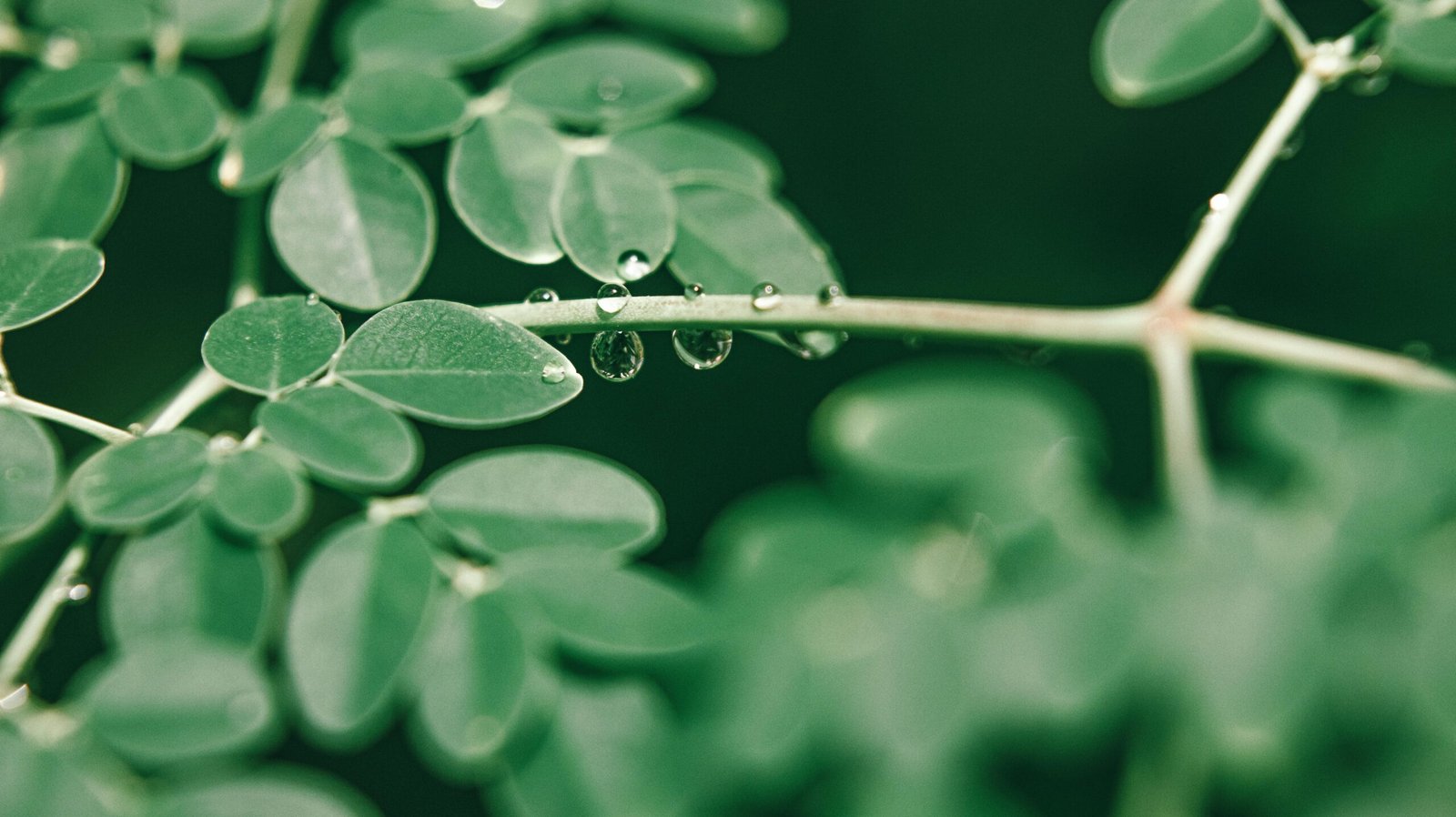
If you grew up in a South Indian home, there is a reasonable chance you remember a drumstick tree. Maybe it was in your grandmother’s backyard, leaning slightly over the compound wall, dropping its long green pods into the neighbour’s side with complete indifference to property boundaries. Maybe the pods appeared in sambar so regularly that you stopped noticing them, eating around them as a child the way children eat around things they have not yet learned to appreciate.
And then at some point, the tree was cut down. The house got sold, or renovated, or the yard became a parking space. The drumstick in the sambar started coming from the market instead of the garden. And slowly, for many urban families, it started appearing less and less — replaced by easier vegetables, quicker options, things that did not require the particular patience that eating a drumstick pod demands.
This is a quiet loss that most people have not fully registered. Because drumstick — the pods, the leaves, the flowers, almost every part of the Moringa oleifera tree — is one of the most nutritionally complete plants that grows naturally and abundantly across India. Not in some remote Himalayan forest or a specialised farm. In backyards. Along roadsides. In temple gardens. It has been there the whole time, and we have been gradually walking away from it.
What the Drumstick Actually Is — Beyond the Sambar Pod
Most people in South India know drumstick as a sambar ingredient. Most people in North India know it vaguely, if at all. What very few people know is that drumstick is the same plant that the global health and wellness industry has spent the last decade marketing to Western consumers as “moringa” — selling the dried and powdered leaves in premium health stores at prices that would genuinely shock anyone who has a drumstick tree growing outside their window.
The irony is significant. A plant that Indian households have used in everyday cooking for centuries, that Ayurvedic practitioners have documented the benefits of for over two thousand years, is now being repackaged, exported, and sold back to us in capsule form as a superfood supplement. The plant did not change. Only our relationship with it did.
Moringa oleifera is genuinely exceptional from a nutritional standpoint. The leaves contain more vitamin C than oranges, more calcium than milk, more iron than spinach, and more potassium than bananas — all in a single plant. The pods, which are what most Indian recipes use, are lower in nutrient density than the leaves but still contain meaningful amounts of fibre, vitamin C, and several B vitamins. The seeds have been studied for their water-purifying properties. The flowers are edible and used in certain regional recipes, particularly in Kerala and Tamil Nadu.
This is not marketing language. This is just what the plant contains. And it grows, practically without effort, across most of India.
The Pods — What Happens When You Actually Eat Them
Let us start with the most common way Indians encounter drumstick — the long green pods cooked in sambar, curry, or occasionally in a dry preparation. The pods themselves are fibrous and are not meant to be eaten whole. The way you eat them is by holding one end, putting the other in your mouth, and scraping the soft inner flesh and seeds off with your teeth. It is a particular kind of eating that requires a small amount of skill and a willingness to leave the outer shell behind on the plate.
That inner flesh, which is what you actually consume, contains dietary fibre, vitamin C, and a range of antioxidants. But beyond the direct nutrition, drumstick pods have a compound profile that has been studied for anti-inflammatory properties. Chronic inflammation — the kind that builds quietly in the body over years and is linked to diabetes, heart disease, arthritis, and certain metabolic disorders — is something that drumstick appears to actively work against through several of its naturally occurring compounds including isothiocyanates and quercetin.
For people managing joint pain, particularly older adults who find that certain seasons make their knees or fingers more uncomfortable, adding drumstick to the diet more regularly is something that traditional medicine has recommended for a very long time. Modern research is increasingly finding the biochemical basis for why this works.
The Leaves — The Part Most People Waste
Here is where the real nutritional density lives, and here is also where the biggest gap between what drumstick offers and what most people actually use becomes apparent. The leaves are discarded far more often than they are eaten, particularly in urban households where the pods are purchased from a market or a vegetable delivery service and the leaves are trimmed off and thrown away without thought.
This is a genuine nutritional waste. Moringa leaves, eaten fresh or lightly cooked, are among the most nutrient-dense foods available to the average Indian household. The iron content alone makes them highly relevant for a population where iron deficiency anaemia is widespread — particularly among women and young children. Unlike the iron in spinach, which is somewhat inhibited by the oxalic acid in that vegetable, the iron in moringa leaves is more bioavailable and comes alongside vitamin C which further enhances iron absorption.
The calcium in moringa leaves is relevant for anyone who does not consume dairy or does not consume it in sufficient quantities. A cup of cooked moringa leaves provides a meaningful fraction of the recommended daily calcium intake in a form the body can use.
For nursing mothers, drumstick leaves have been used traditionally across South Asia as a galactagogue — a food that supports milk production. This traditional use has been studied in clinical settings with results that suggest the practice has genuine physiological basis rather than just being cultural habit.
Cooking moringa leaves is simple. They are stripped from the stems, washed, and added to dal, made into a simple stir-fry with garlic and coconut, added to rotis by mixing into the dough, or blended into a chutney. They have a mild, slightly earthy flavour that does not overpower a dish and takes on surrounding spices readily. There is no particularly difficult technique involved — the main obstacle is simply remembering to use them.
Drumstick in the Context of Specific Health Concerns
Blood Sugar Management
Several studies have examined the effect of moringa on blood glucose levels, and the findings are consistently interesting. Compounds in the leaves appear to support insulin activity and slow the absorption of sugar from food into the bloodstream. For people in the pre-diabetic range — a group that is growing rapidly in urban India — including moringa leaves in regular cooking is a practical and affordable dietary strategy that complements whatever else they are doing to manage their health.
This is not a replacement for medical advice or prescribed treatment. But as a food-based support within a broader healthy eating pattern, drumstick earns its place clearly.
Liver Health
The liver is responsible for filtering toxins from the blood, metabolising fats, and producing proteins that the body needs for clotting and immunity. Modern urban life — with its processed food, irregular meals, alcohol consumption, and environmental pollutants — puts considerable strain on the liver. Moringa contains compounds including silymarin-like antioxidants that appear to support liver cell function and protect against oxidative damage. Traditional medicine systems across India and Southeast Asia have used drumstick in preparations aimed at supporting liver health for centuries.
Bone Strength
With the combination of calcium, phosphorus, and vitamin K that drumstick leaves provide, they are one of the more useful foods for bone health in the Indian diet. This is particularly relevant in a context where urban diets are increasingly low in calcium-rich foods, sun exposure for vitamin D synthesis is often insufficient due to indoor lifestyles, and bone density problems are appearing in younger age groups than they did a generation ago.
How to Actually Bring Drumstick Back Into Your Weekly Cooking
The biggest practical barrier is not availability — drumstick is sold at most vegetable markets and increasingly through local grocery delivery services that source seasonal and regional produce. The barrier is habit. Most urban households simply do not think to buy it because it is not in their mental rotation of weekly vegetables.
The easiest entry point is through sambar. If you make sambar at home, add drumstick pods every time — not occasionally. This alone puts a meaningful amount of the vegetable into the family’s diet without requiring anyone to learn a new recipe or change established cooking habits.
From there, explore the leaves. Buy the whole drumstick branch when it is available — pods and leaves together — and use both. Strip the leaves while watching television in the evening, store them in a container, and add a handful to whatever dal or sabzi you make over the next two days. The process takes ten minutes and the nutritional addition is substantial.
A drumstick and coconut milk curry, cooked simply with onion, tomato, and whole spices, is a dish that works alongside rice or roti and takes less than twenty five minutes. Drumstick flowers, when you can find them, can be made into a simple egg scramble or a lightly spiced fritter that is genuinely delicious and almost completely unknown outside the specific communities that have preserved the recipe.
Selecting and Storing Drumstick
Fresh drumstick pods should be firm, uniformly green, and not too thick. Very thick pods tend to be older and more fibrous inside, with less of the soft pulp that makes eating them enjoyable. Slender to medium pods are usually younger and better. They should snap with some resistance rather than bending limply.
Avoid pods that are yellowing, have visible soft spots, or feel hollow when pressed. The inner pulp in a hollow pod will be dry and underdeveloped.
Store drumstick pods unwashed in a slightly damp cloth or paper bag in the refrigerator. They keep reasonably well for four to five days this way. The leaves are more perishable — use them within two days of stripping from the stems, stored in a covered container in the fridge.
FAQ
Q: Can children eat drumstick leaves regularly? Yes, and given the iron, calcium, and vitamin content, drumstick leaves are particularly good for growing children. The key is preparation — leaves mixed into roti dough, added to dal, or made into a mild chutney are more likely to be accepted than as a standalone dish.
Q: Is it true that drumstick is good for men’s health specifically? Drumstick has been used in traditional medicine as a general vitality food and there is some evidence suggesting it may support hormonal health and energy levels. However, the nutritional benefits — anti-inflammatory, antioxidant, iron-rich, calcium-rich — are equally relevant for all adults regardless of gender.
Q: How often should I eat drumstick to notice benefits? Nutritional benefits from any food accumulate over consistent use rather than appearing dramatically after a few servings. Including drumstick pods two to three times a week and leaves three to four times a week as part of balanced cooking is a sustainable and effective pattern.
Q: Can I use moringa powder from shops instead of fresh drumstick? Moringa powder is a concentrated form of the dried leaves and retains much of the nutritional value. It is a reasonable option when fresh drumstick is not available. However, fresh drumstick — pods and leaves — provides the nutrition in a form the body processes more naturally and also delivers the fibre that powder does not.
Q: Is there anyone who should avoid drumstick? Pregnant women are generally advised to avoid drumstick in very large quantities — certain compounds in the bark and root have been associated with uterine contractions in traditional medicine, though moderate consumption of the pods and leaves in cooking is considered safe. Anyone on blood pressure or diabetes medication should monitor their response, as drumstick may have additive effects with those medications.
Conclusion
There is something quietly sad about watching a food culture lose touch with its own best ingredients. Drumstick has not disappeared. It is still growing along roadsides, still sitting in the vegetable section of markets, still appearing in sambar across millions of South Indian kitchens. But it is getting less attention than it deserves, used less imaginatively than it could be, and understood by fewer people than it once was.
The global wellness industry figured out what drumstick offers and has been profiting from selling it back to the people who grew up with it, rebranded and marked up and bottled in a format that feels modern. The original, growing fresh, available at a fraction of the cost, is still there.
It might be worth bringing it back to the centre of the kitchen — not as a trend, not as a supplement, but as what it always was. Just good food, growing quietly, waiting to be remembered.


