 (+91) 9445444862
 Info@indbiz.in


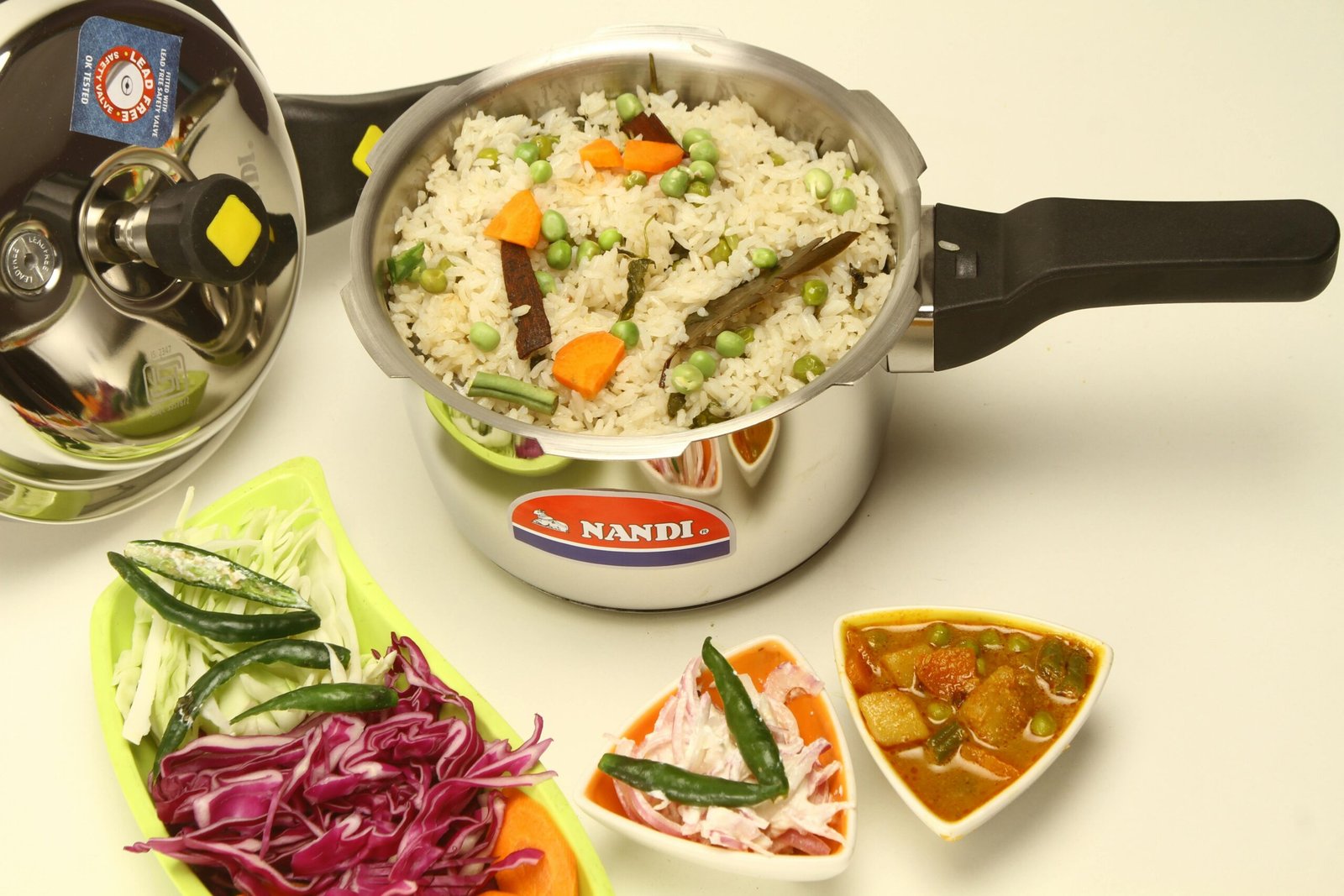
Here is your next complete blog article, ready to copy-paste into WordPress:
The Morning Meal Problem — Why What You Eat Before 9 AM Shapes Your Entire Day
There is a particular kind of tired that has nothing to do with how much you slept. You wake up after a full seven or eight hours, move through the first hour of the morning feeling reasonably functional, eat something quick — or sometimes nothing at all — and then by eleven o’clock you are sitting at your desk or standing in your kitchen with a heaviness in your head that coffee is only partially fixing. Your concentration drifts. Small decisions feel effortful. You are hungry again even though you ate not long ago, or you are not hungry at all but feel oddly hollow.
This is a pattern that millions of Indians experience every single day and attribute to stress, screen time, poor sleep quality, or just the general difficulty of modern life. Sometimes those things are contributing. But very often the most direct cause is sitting right at the beginning of the day, in the fifteen to thirty minutes between waking up and leaving the house — or in some cases, in the complete absence of those minutes because breakfast was skipped entirely.
What happens in the morning, nutritionally, sets the biochemical tone for the hours that follow. This is not motivational language. It is physiology. And understanding it — even at a basic level — changes how you approach the first meal of the day in ways that produce real, noticeable differences in how you feel, think, and function before lunch even arrives.
What the Body Is Actually Dealing With When You Wake Up
By the time you open your eyes in the morning, your body has been in a fasting state for somewhere between eight and twelve hours, depending on when you last ate the night before. During this period, blood glucose levels have dropped to their baseline fasting level. Glycogen stores in the liver — the body’s short-term glucose reserve — have been partially drawn down to maintain blood sugar through the night and fuel whatever cellular repair and maintenance work the body conducts during sleep.
You wake up, in other words, in a mild but real state of fuel depletion. The body is not in crisis — human physiology is well adapted to overnight fasting and manages it without difficulty. But it is primed and waiting for input. The hormonal environment of the morning, with cortisol naturally elevated as part of the waking cycle, creates a window in which the body is particularly responsive to the first nutritional signals it receives.
What you eat in this window — or whether you eat at all — sends a signal that the body acts on immediately and that shapes the hormonal and metabolic environment for the next several hours. A breakfast that provides stable fuel — protein, fibre, complex carbohydrates, a small amount of healthy fat — tells the body that resources are available, that it can support full cognitive and physical function, and that it does not need to activate the stress responses associated with scarcity. A breakfast of pure simple sugar, refined carbohydrate, or no food at all sends a very different signal.
The Skip-Breakfast Habit and What It Actually Costs
Skipping breakfast is extremely common in urban India, particularly among working adults and college students who are managing early morning schedules, long commutes, and the general time pressure of urban life. The decision to skip is usually framed as a practical one — there is no time, it is easier to wait until the office, hunger has not properly kicked in yet.
What is less visible is the cost of that decision across the hours that follow. After a night of fasting, skipping breakfast extends the fasting period to fourteen, fifteen, sometimes sixteen hours. During this extended period, the body progressively shifts toward stress hormone activation — cortisol rises, the adrenal system works harder to maintain blood glucose through gluconeogenesis, and the brain begins operating on a reduced fuel supply.
The cognitive effects of this are measurable. Attention span shortens. Working memory performance decreases. Reaction time slows. Mood regulation becomes less reliable — the irritability and low-level anxiety that many people experience in late morning is frequently the direct result of low blood glucose and elevated cortisol rather than anything happening in their external circumstances.
By the time lunch arrives, the body is not just hungry — it is in mild nutritional debt. The appetite at this point is typically much stronger than it would have been if breakfast had been eaten, and the tendency is to eat more, faster, and with less discrimination about what is chosen. The blood sugar spike following a large lunch eaten by a fasted body is steeper and the crash that follows more pronounced. The afternoon slump that many people treat as an inevitable feature of the post-lunch period is, in many cases, a direct metabolic consequence of skipping breakfast several hours earlier.
This cycle — skip breakfast, overeat at lunch, crash in the afternoon, reach for something sweet or caffeinated to recover, eat a large dinner, sleep on a full stomach, repeat — is one of the most common and most damaging eating patterns in urban India today. It is not caused by laziness or poor willpower. It is caused by a morning decision that sends the body into a pattern it then spends the rest of the day trying to compensate for.
What a Good Breakfast Actually Looks Like
The traditional Indian breakfast, before time pressure and packaged convenience food changed urban eating habits, was genuinely well-constructed from a nutritional standpoint. Not because anyone designed it with macronutrients in mind, but because generations of cooking intuition had arrived at combinations that worked — that provided sustained energy, supported digestion, and kept people functional through the morning without requiring another meal for three to four hours.
Idli and sambar is the example worth spending a moment on because it is so widely known and so frequently underestimated. Idli is a fermented food — the batter of rice and urad dal is fermented overnight, producing a product that is light, easily digestible, and rich in beneficial bacteria that support gut health. The fermentation also reduces the glycaemic impact of the rice, making idli a lower-glycaemic option than plain cooked rice despite being made from a similar base ingredient.
Sambar adds protein from the lentils, a broad range of vegetables that contribute fibre and micronutrients, and a complex spice profile — turmeric, coriander, cumin, mustard seeds, curry leaves — that activates digestion and provides anti-inflammatory compounds at the very start of the day. The combination of fermented carbohydrate with protein-rich lentil broth and vegetables is, nutritionally, close to ideal for a morning meal. It provides slow-release energy, gut-supportive bacteria, protein for satiety, and a range of micronutrients that set up the body well for the hours ahead.
Poha — flattened rice cooked with mustard seeds, curry leaves, onion, green chilli, and turmeric — is another breakfast that works better than it looks on paper. The rice is light and easy to digest, the tempering provides the digestive and anti-inflammatory benefits of the spices, and the addition of peas, roasted peanuts, or vegetables adds protein and additional fibre. Finished with a squeeze of lemon for vitamin C and served with curd on the side, this is a meal that takes fifteen minutes to make and sets the body up for a genuinely productive morning.
Upma, when made with semolina and loaded with vegetables — onion, carrot, peas, beans, whatever is available — is a protein and fibre-rich option that is also quick to prepare and highly adaptable to whatever is in the kitchen. The vegetable additions are the difference between upma as a nutritional afterthought and upma as a genuinely functional breakfast.
Where Modern Breakfast Habits Go Wrong
The breakfast choices that have replaced traditional options in many urban households are worth examining honestly, because the alternatives are not neutral.
White bread toast with butter or jam provides refined carbohydrate and sugar with minimal protein and essentially no fibre. The blood sugar spike is rapid and the crash follows within ninety minutes. This is one of the worst possible starts to a day that requires sustained concentration.
Packaged breakfast cereals — including the ones marketed specifically as healthy or high-fibre — are frequently high in added sugar and low in the protein and fibre that would make them genuinely useful. Reading the nutrition label on a popular Indian breakfast cereal is sometimes a surprising experience. The sugar content per serving can rival a small dessert.
Biscuits eaten with tea — a breakfast that a significant portion of the urban Indian population subsists on — provide almost no nutrition beyond refined carbohydrate and sugar. The tea provides caffeine, which creates a temporary feeling of alertness that masks the absence of real fuel. By mid-morning the body has processed the biscuits, the caffeine effect is wearing off, and the hunger and cognitive dullness arrive together.
Bananas and fruit alone, while nutritious, do not provide the protein and fat that extend satiety and prevent the rapid blood sugar fluctuations that pure fruit sugar can cause when eaten without other macronutrients. Fruit is a valuable part of the morning meal but works better as an addition than as the entire breakfast.
The Protein Question — Why Mornings Need More of It
Of all the nutritional adjustments that make the most consistent difference to morning energy and satiety, increasing protein at breakfast has some of the strongest evidence behind it. Protein takes longer to digest than carbohydrate, stimulates the release of satiety hormones that signal fullness to the brain, and has a stabilising effect on blood glucose that extends the period of comfortable, alert functioning before hunger returns.
The traditional Indian breakfast is actually reasonably good at including protein — the lentils in sambar, the urad dal in idli batter, the peanuts in poha, the dal in various paratha fillings. Where modern shortcuts have replaced these traditional options with bread, biscuits, and packaged cereals, the protein has largely disappeared from the morning meal.
Practical ways to add protein to whatever breakfast is being eaten: a small bowl of curd alongside any carbohydrate-based breakfast adds protein and probiotics simultaneously. A handful of roasted chana or peanuts as a side. An egg in whatever form works for the household — scrambled, boiled, incorporated into a vegetable omelette. A thin smear of peanut or sesame paste on toast rather than jam. These are small additions that cost very little in time or money and make a measurable difference to how the morning feels.
The Vegetable Gap at Breakfast
One of the most consistent nutritional gaps in Indian breakfast eating is vegetables. Lunch and dinner typically include at least some vegetable content. Breakfast almost never does, unless the meal is specifically a vegetable-based preparation like upma with vegetables, a mixed vegetable poha, or idli with sambar that includes vegetables.
The morning is actually an ideal time to get vegetables in. The digestive system is fresh, enzyme activity is high after the overnight rest, and the body absorbs nutrients efficiently in the early part of the day. A breakfast that includes even a small amount of vegetable content — a handful of spinach wilted into scrambled eggs, a serving of tomato and onion cooked into upma, the mixed vegetables in a stuffed paratha — starts the day with fibre, vitamins, and phytochemicals that set a better nutritional foundation than a carbohydrate-only meal.
This does not require elaborate preparation. It requires the habit of thinking of breakfast as a meal rather than a refuelling stop — something that deserves the same consideration as lunch or dinner in terms of what it contains and what it is actually going to do for the body that has to run on it for the next several hours.
A Word About Morning Tea and Its Role
Tea is non-negotiable in most Indian households. This is not a problem in itself — tea contains antioxidants, has a mild and genuinely useful stimulating effect through caffeine and L-theanine, and is deeply embedded in the social and cultural rhythm of Indian mornings in ways that go beyond simple nutrition.
The problem is when tea replaces breakfast rather than accompanying it. Drinking tea on an empty stomach increases gastric acid secretion without any food to buffer it, which is a direct cause of the acidity and morning gastric discomfort that many Indians experience chronically and treat as simply normal. It is not normal. It is a predictable physiological response to a specific habit.
The adjustment is straightforward: eat something before or alongside the morning tea rather than drinking the tea first and eating an hour later or not at all. Even a small amount of food — a piece of fruit, a handful of nuts, two or three biscuits, anything with some substance — buffers the gastric acid response and changes the experience considerably.
Reducing the amount of milk in tea and increasing the tea-to-milk ratio also improves the antioxidant benefit, since milk proteins bind to tea polyphenols and reduce their absorption. This is a minor point, but for people who drink three or four cups daily it adds up meaningfully.
Making It Practical for Real Mornings
The gap between knowing what a good breakfast looks like and actually eating it on a Tuesday morning when the alarm went off late and everyone needs to be somewhere in forty minutes is real. No article about breakfast nutrition should pretend otherwise.
The most effective strategy is preparation the night before rather than effort in the morning. Idli batter that is soaked and ground the previous evening is ready to steam in minutes the next morning. Poha takes twelve minutes from start to plate if the ingredients are pre-sorted. Overnight oats with curd and fruit require zero morning effort. A boiled egg takes seven minutes unattended. Leftover dal reheated with a fresh tempering becomes a breakfast in five minutes that is nutritionally superior to anything that comes out of a cereal box.
The investment is not in morning time, which is scarce. It is in evening thought, which is slightly more available. The five minutes of preparation before bed that makes a real breakfast possible the next morning is one of the highest-return uses of five minutes available in a busy household.
FAQ
Q: Is it true that breakfast is the most important meal of the day? This phrase has been used so much that it has lost meaning, but there is real substance behind it. Breakfast does not need to be the largest meal, but eating something substantive in the morning — protein, fibre, some complex carbohydrate — sets up blood sugar stability, cognitive function, and appetite regulation for the hours that follow in a way that cannot be fully compensated for later in the day. For most people with regular working or school schedules, it is the meal with the most downstream impact on how the day functions.
Q: I am not hungry in the morning. Should I force myself to eat? Absence of morning hunger is often a sign that dinner was eaten late or in large quantities — the body is still processing the previous evening’s meal. Gradually eating dinner earlier and in smaller amounts typically restores morning hunger within a few weeks. Starting with something small — a piece of fruit, a small bowl of curd, a handful of nuts — rather than a full meal is a reasonable way to begin rebuilding the morning appetite without forcing something that feels unnatural.
Q: Are smoothies a good breakfast option? A smoothie that includes protein — curd, nut butter, seeds — along with fruit and ideally some vegetable content like spinach can be a nutritionally reasonable breakfast. A smoothie that is primarily fruit juice blended with banana and honey is essentially a sugar drink with vitamins and will produce the same blood sugar spike and crash as any other high-sugar meal. The composition matters enormously.
Q: My children refuse to eat breakfast before school. How do I handle this? Children who are not hungry in the morning often ate dinner too close to bedtime. Moving dinner earlier creates genuine morning hunger. Offering something small, familiar, and genuinely enjoyable rather than imposing a nutritionally ideal meal they will resist is a more effective strategy. A small bowl of curd with fruit, a paratha with a thin filling they like, idli with mild sambar — familiar comfort over nutritional perfection builds the habit first, and the quality can be improved gradually once eating breakfast is established as a normal part of the morning.
Q: Does the time of breakfast matter, or just the content? Both matter, but content more than timing for most people. Eating within an hour or two of waking is generally better than waiting until mid-morning, because it breaks the overnight fast before the stress hormone response to extended fasting becomes significant. But a nutritionally sound breakfast eaten at nine is considerably better than a poor quality one eaten at seven. If timing and content cannot both be optimised, prioritise content.
Conclusion
The morning meal does not ask for much. It does not need to be elaborate, expensive, or time-consuming. It needs to be real — food made from actual ingredients, with enough protein and fibre to last, eaten before the day’s demands have already consumed the mental space required to make good decisions.
What it gives back is disproportionate to the effort it requires. Stable energy through the morning. Better concentration without needing to prop it up with repeated coffee. Appetite that arrives naturally at lunch rather than urgently, making better food choices easier. A body that has been told, first thing in the morning, that it is going to be properly supported through the day ahead.
That signal — sent through a bowl of idli and sambar, a plate of vegetable poha, a simple egg and roti, whatever the household makes and enjoys — sets something in motion that carries through the hours that follow in ways that are genuinely worth the fifteen minutes it takes to make it happen.
The day starts in the kitchen. It always has. The question is just whether we show up for it.


