 (+91) 9445444862
 Info@indbiz.in


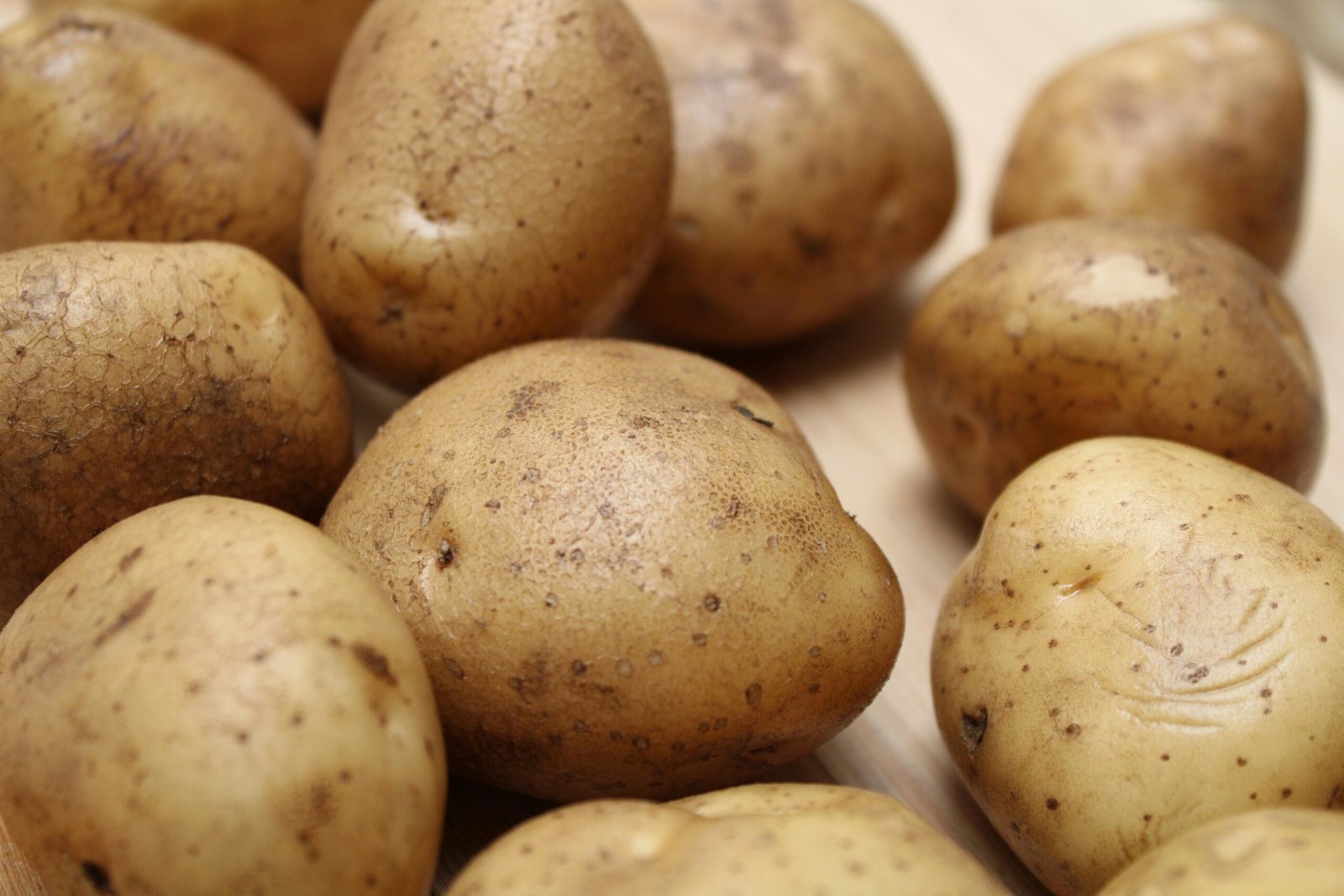
Introduction: The Most Misunderstood Vegetable on Your Plate
If there is one vegetable that has been blamed for almost every diet-related problem in the last two decades, it is the potato. Weight gain, blood sugar spikes, bad carbs — the potato has heard it all. And yet, walk into any Indian home, from a small flat in Chennai to a busy household in Lucknow, and you will find potatoes sitting in the kitchen corner like a trusted old friend who never quite gets the credit they deserve.
Here is the honest truth: potatoes are not the problem. What we do with them often is. A plate of aloo sabzi made with minimal oil is nutritionally very different from a bag of salted chips. The vegetable itself is packed with nutrients that most people have no idea about. This article is not here to defend junk food. It is here to give the humble potato a fair hearing — because when you eat it right, it genuinely earns its place in a healthy diet.
A Real-Life Scenario That Most Indian Families Will Recognise
Picture this. It is a Sunday morning. Your mother is making aloo paratha, and somewhere in the background, a relative who just started a new diet is saying, “I have completely stopped eating potatoes.” Everyone at the table nods like this is a sign of great discipline. Meanwhile, the paratha is gone in under three minutes.
This kind of thinking — where potatoes are treated as the enemy of health — is extremely common in urban India, especially among people trying to lose weight or manage blood sugar. The moment someone gets a diet chart from a nutritionist, potatoes are usually the first item crossed out. Sometimes that makes sense in specific medical situations. But for most healthy adults, removing potatoes entirely while continuing to eat refined flour, processed snacks, and excess sugar is frankly missing the point.
The problem was never really the potato. It was always the preparation method, the portion size, and the overall pattern of eating. Once you understand that, the way you look at this vegetable changes entirely.
What Makes the Potato Actually Good for You
Potassium — More Than You Get From a Banana
Most people associate potassium with bananas. Understandably so. But a medium-sized baked or boiled potato with its skin on contains more potassium than a banana. Potassium plays a direct role in managing blood pressure by helping the kidneys flush out excess sodium from the body. For a country where hypertension is increasingly common — and where salt intake tends to be high across most regional cuisines — this is genuinely useful nutrition hiding in plain sight.
Resistant Starch and Gut Health
Here is something that surprises most people. When you cook a potato and then let it cool completely before eating, the starch inside it transforms into what is called resistant starch. This form of starch behaves differently in the body. Instead of being rapidly broken down and absorbed as glucose, it passes through the small intestine and reaches the large intestine largely intact, where it feeds the beneficial bacteria in your gut.
This means that cold boiled potatoes — the ones you might use in a salad or eat as part of a meal prep routine — are actually better for blood sugar management and gut health than freshly cooked hot potatoes. It is a small change in habit that makes a meaningful nutritional difference.
Vitamin C and Vitamin B6
A single medium potato provides roughly 30 percent of an adult’s daily vitamin C requirement. That is not a small number for a vegetable that costs a few rupees per kilo. Vitamin C in potatoes supports immune function, helps the body absorb iron from plant-based foods, and contributes to collagen production. For vegetarian households that rely heavily on plant sources for nutrition, this combination of vitamin C and iron absorption support is genuinely practical.
Vitamin B6, also found in good quantities in potatoes, is essential for brain health. It is involved in the production of neurotransmitters including serotonin and dopamine — chemicals that regulate mood, sleep, and mental clarity. Consistent B6 deficiency can contribute to irritability, brain fog, and disrupted sleep patterns, which are things many people chalk up to stress without considering dietary factors.
Energy Without the Crash — If You Eat It Right
Potatoes are a carbohydrate-rich food, which is why they have been unfairly lumped in with refined sugars and processed grains in diet conversations. But the carbohydrates in a whole, unprocessed potato come packaged with fibre, water, and various nutrients that slow digestion and prevent sharp blood sugar spikes. The glycaemic impact of a boiled potato is quite different from that of white bread or a sugary drink, particularly when the potato is eaten as part of a balanced meal that includes protein and vegetables.
For people who are physically active — those who walk long distances for work, exercise regularly, or have labour-intensive jobs — potatoes are a completely sensible source of sustained energy. The issue arises only when they are eaten in large amounts in isolation, fried in poor-quality oil, or paired with other high-carbohydrate foods without any balance.
Antioxidants That Most People Overlook
Potatoes, especially purple and red-skinned varieties, contain flavonoids and carotenoids that function as antioxidants. Even regular yellow-skinned potatoes contain chlorogenic acid, a polyphenol that has been studied for its ability to reduce oxidative stress and support liver health. These are not buzzword nutrients — they are real compounds that work quietly in the body to reduce cellular damage that accumulates over time.
Practical Ways to Include Potato in a Healthy Diet
The key is preparation. When potatoes are boiled, steamed, baked, or dry-roasted with minimal oil, they hold on to most of their nutritional value and remain a low-calorie, satisfying food. Here are some practical approaches that actually work in an Indian household:
Start with boiled potato in meals rather than fried. A simple aloo matar or aloo gobi made with one teaspoon of oil and spices is a nutritious, filling dish. The potato here is doing its job — providing energy, potassium, and fibre without carrying the burden of excess fat.
Use cold cooked potatoes in salads. Boil potatoes the night before, refrigerate them, and use them the next day in a salad with cucumber, tomato, lemon, and chaat masala. The cooling process increases resistant starch content, making this preparation genuinely better for blood sugar than eating them fresh off the stove.
Replace refined flour in snacks with potato. Potato-based tikkis made with minimal oil in an air fryer or on a tawa are a far better snack than store-bought biscuits or namkeen. Add some chopped vegetables, a binding of oats or breadcrumbs, and spices — you have a snack that is actually nutritious.
Eat the skin. Most of the fibre and a significant portion of the micronutrients in a potato sit in or just beneath the skin. Peeling removes much of this. For dishes where it is practical, wash the potato well and cook it with the skin on.
Practice portion awareness, not elimination. One medium potato in a meal — about 150 grams — is a reasonable and healthy serving. Two or three along with rice and bread at the same meal is where the balance tips. The issue is almost never the potato alone.
If you buy vegetables weekly in bulk, many local grocery delivery services now carry fresh, locally sourced potatoes with good shelf life — which makes consistent healthy cooking much easier to maintain.
Common Mistakes People Make With Potatoes
Frying at high heat in reused oil. This is the most damaging thing you can do to a potato’s nutritional profile. Repeated heating of oil creates harmful compounds that attach themselves to the food. The potato becomes a vehicle for oxidised fats rather than a source of good nutrition.
Eating only the inside and throwing away the skin. As mentioned above, the skin is where much of the fibre and nutrient density lives. Habitually peeling potatoes for every preparation strips away a meaningful portion of their value.
Assuming that any potato dish is unhealthy. A restaurant-style dum aloo swimming in cream and oil is nutritionally different from a home-cooked version. People often generalise based on the worst version of a dish and apply that judgment to all versions.
Storing potatoes in the refrigerator before cooking. Raw potatoes should not be refrigerated. Cold temperatures convert the starch into sugar, which alters both the taste and the glycaemic impact. Store them in a cool, dark, ventilated spot — not the fridge.
Eating them at irregular times without pairing. A potato eaten alone as a snack behaves differently in the body than one eaten as part of a meal that includes protein, fat, and fibre. Pairing matters as much as the food itself.
How to Choose and Store Potatoes Well
At the market, look for potatoes that feel firm and heavy, with smooth skin and no visible green patches. The green colour in potatoes is caused by solanine, a naturally occurring compound that forms when potatoes are exposed to light and can cause digestive discomfort in larger amounts. Any potato with significant green areas should be avoided.
Avoid potatoes with soft spots, deep cuts, or sprouts that have grown long. Small sprout nubs are fine if you remove them before cooking. Wrinkled skin is a sign of age and dehydration — the potato will be less flavourful and nutritious.
For storage, keep potatoes in a paper bag, a mesh bag, or a basket in a cool, dark, well-ventilated area. Keep them away from onions, which release gases that accelerate potato spoilage. Stored correctly, potatoes stay fresh for two to three weeks without any loss in quality.
Frequently Asked Questions
Q1: Can people with diabetes eat potatoes? Yes, but with some adjustments. Choosing boiled or cooled potatoes over fried ones, eating smaller portions, and combining potatoes with fibre-rich vegetables and protein can significantly reduce the blood sugar impact. It is best to check with a doctor or dietitian for personalised guidance.
Q2: Do potatoes cause weight gain? Potatoes themselves are not a direct cause of weight gain. Excess calorie intake — from any source — causes weight gain. A boiled medium potato has roughly 130 calories. Preparation method, portion size, and overall diet patterns matter far more than the vegetable itself.
Q3: Are sweet potatoes healthier than regular potatoes? Both are nutritious and each has its strengths. Sweet potatoes have more beta-carotene and a slightly lower glycaemic index. Regular potatoes have more potassium and vitamin C. Including both in your diet across the week is a more balanced approach than choosing one and eliminating the other.
Q4: Is it safe to eat potato skins? Yes, for most people. The skin is rich in fibre, potassium, and B vitamins. Wash the potato thoroughly before cooking. Avoid eating skins with green patches, as the solanine compound concentrates more near the skin in light-exposed potatoes.
Q5: What is the healthiest way to cook a potato? Boiling with the skin on, steaming, or baking without added fat preserves the most nutrients. Allowing the cooked potato to cool before eating increases resistant starch content, which is particularly beneficial for gut health and blood sugar management.
Conclusion
The potato does not deserve the reputation it has been given. It is not a villain hiding in your vegetable basket. It is an affordable, nutritious, and remarkably versatile food that has fed populations across the world for centuries — and for very good reason.
What it does need is a little more thoughtfulness in how it is cooked, how much of it is eaten at once, and what it is paired with. When those pieces come together, the potato does its job quietly and consistently — keeping you full, supporting your gut, nourishing your brain, and giving your body the energy it needs to get through the day.
The next time someone at the table says they have “given up potatoes,” maybe the better conversation is about how they were cooking them all along.


