 (+91) 9445444862
 Info@indbiz.in


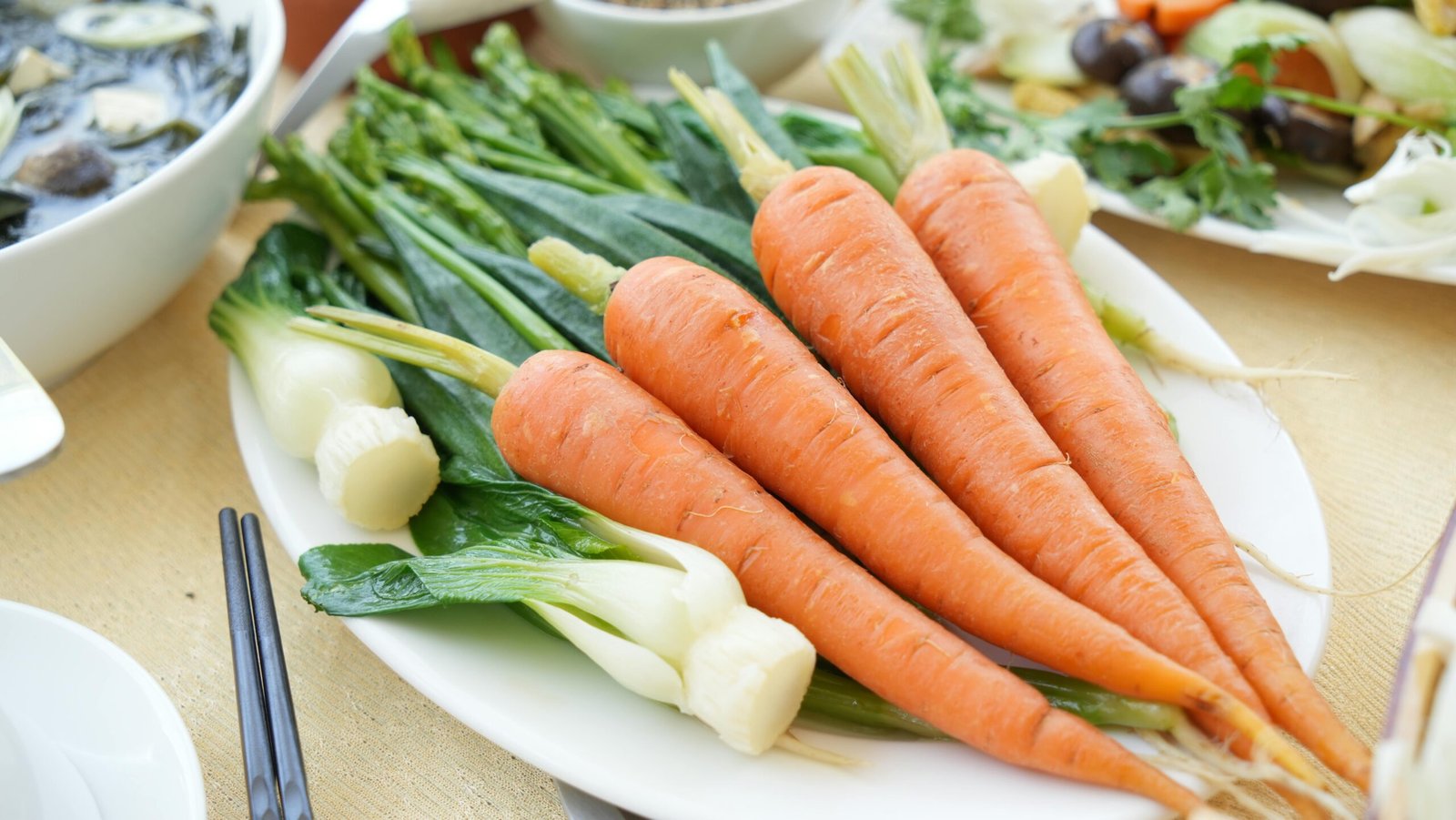
Somewhere in the collective imagination of Indian households, the carrot occupies a very specific and somewhat limited role. It is the orange thing that goes into pulao to add colour. It is the vegetable cut into sticks and served with hummus at a party where someone is trying to be health-conscious. It is gajar ka halwa at weddings, made with full-fat milk and ghee and sugar, eaten in quantities that bear no resemblance to a health food. And in the background of most vegetable trays and mixed sabzis, it appears reliably without anyone particularly noticing it or thinking about what it contributes beyond crunch and colour.
This is a genuinely underserved reputation for a vegetable that is doing sophisticated and specific work in the body every time it is eaten. The carrot is not a glamorous vegetable. It does not have the dramatic reputation of bitter gourd or the trending superfood status of moringa. It just sits there, orange and dependable, available year-round, affordable at every price point, eaten by children and adults and elderly people without complaint or controversy. And quietly, consistently, it is providing a range of nutritional benefits that deserve considerably more conscious appreciation than they currently receive.
The Beta-Carotene Story — More Complex Than You Have Been Told
The one thing most people do know about carrots is that they are good for eyesight, and that this has something to do with beta-carotene. This is correct but incomplete in ways that matter for understanding how to eat carrots to actually get this benefit rather than just assuming it is happening.
Beta-carotene is a carotenoid pigment — it is what makes carrots orange. The body converts beta-carotene into vitamin A, which is essential for vision, immune function, and the maintenance of the skin and mucous membranes that form the body’s first line of defence against pathogens. Vitamin A deficiency is a significant public health issue in India, particularly in children and in populations with limited dietary diversity, and it is one of the leading preventable causes of blindness in the developing world.
Carrots are one of the richest dietary sources of beta-carotene available in the Indian kitchen. A single medium carrot contains enough beta-carotene to provide well over 100 percent of the recommended daily intake for vitamin A when converted. This sounds straightforward until you understand the conversion efficiency problem.
The human body does not convert all the beta-carotene it consumes into vitamin A. The conversion rate varies significantly between individuals — influenced by gut health, genetics, and the form in which the beta-carotene is consumed. Crucially, beta-carotene is a fat-soluble compound, which means absorption is dramatically higher when carrots are eaten with some form of dietary fat. Raw carrots eaten alone — the health-conscious snack of people trying to eat well — deliver significantly less usable vitamin A than carrots cooked with a small amount of oil or eaten alongside a fat-containing food.
Cooking also increases beta-carotene bioavailability by breaking down the cell walls of the carrot and releasing the carotenoid from the matrix that binds it. This is one of the vegetables where cooking genuinely improves the nutritional return — cooked carrots with a small amount of fat deliver more usable vitamin A than raw carrots eaten without fat. The traditional preparation of carrot sabzi made with a tempering in oil is, from this perspective, a nutritionally superior preparation to a raw carrot stick eaten as a snack, even though the raw preparation feels more virtuous.
This does not mean raw carrots are without value. They deliver fibre, vitamin C, and a crunch that cooked carrots cannot replicate. It means that for the specific benefit of vitamin A, cooked carrots with fat are the better delivery mechanism.
Eyes, Skin, and Immunity — What Vitamin A Actually Does
Vitamin A’s association with eyesight is its most famous function, but the mechanism is worth understanding because it goes beyond the simple idea of carrots making you see better. Vitamin A is essential for the production of rhodopsin — the light-sensitive pigment in the rod cells of the retina that enables vision in low-light conditions. Deficiency of vitamin A produces night blindness as one of its earliest symptoms, which is why carrots and their vitamin A content have been specifically linked to vision health.
Beyond night vision, vitamin A maintains the cornea and the conjunctival membranes of the eye, protecting against the dryness and damage that can progress to more serious vision problems. For people who spend long hours in front of screens — which in the current urban Indian context means most working adults and a growing number of children — the oxidative stress on the eyes and the importance of nutrients that protect ocular tissue is increasingly relevant.
The skin connection is equally direct. Vitamin A regulates the growth and differentiation of skin cells, maintains the integrity of the skin barrier, and is essential for the production of sebum — the natural oil that keeps skin moisturised and protected. Vitamin A deficiency manifests in the skin as dryness, roughness, and the characteristic condition called follicular hyperkeratosis — small, rough bumps usually on the upper arms — that is a surprisingly common finding in populations with inadequate vitamin A intake.
For immunity, vitamin A maintains the epithelial surfaces — the mucosal linings of the respiratory tract, the digestive system, and the urinary tract — that prevent pathogens from entering the body. These surfaces secrete mucus, contain immune cells, and form a physical barrier that is the body’s first line of defence. Vitamin A deficiency compromises these barriers, increasing susceptibility to infections of all kinds. In a country where respiratory and gastrointestinal infections are common and where vitamin A deficiency affects a significant portion of the population, regular carrot consumption as a source of beta-carotene has genuine public health relevance.
Fibre, Gut Health, and the Carrot’s Underappreciated Digestive Role
Beyond beta-carotene, the carrot’s most significant nutritional contribution is its fibre content — and specifically the type of fibre it contains. Carrots are rich in pectin, a type of soluble fibre that has several specific and well-studied effects in the digestive system that go beyond the general benefits of dietary fibre.
Pectin forms a gel in the digestive tract that slows the absorption of sugar and starch, reducing the glycaemic impact of meals eaten alongside it. This makes carrots a particularly useful addition to carbohydrate-heavy Indian meals — adding carrots to a dal, a rice dish, or a mixed vegetable preparation moderates the blood sugar response to the meal as a whole.
Pectin is also one of the preferred substrates for beneficial gut bacteria — particularly the bacteria that produce butyrate, a short-chain fatty acid that is the primary fuel source for the cells lining the colon and that plays a critical role in maintaining gut barrier integrity, reducing inflammation in the digestive tract, and supporting the immune function that is localised in the gut. Regular pectin consumption through foods like carrots, apples, and citrus fruit is one of the more direct ways to support a butyrate-producing gut microbiome through diet.
The insoluble fibre in carrots — cellulose in the cell walls — adds bulk to stool and supports regular bowel movement in the more mechanical sense. For people who struggle with constipation, which is extremely common in urban India given the low-fibre dietary patterns that many households have drifted toward, the combination of pectin and cellulose in carrots makes them a gentle and effective addition to a fibre-increasing strategy.
Heart Health — The Connection Most People Have Not Made
Carrots contain several compounds that are directly relevant to cardiovascular health, and this connection is one that the vegetable’s reputation does not reflect at all — most people associate carrots with eyes and leave the cardiovascular benefit entirely unacknowledged.
The soluble fibre in carrots — pectin — has cholesterol-lowering properties through the same mechanism that makes oats effective for this purpose. Pectin binds to bile acids in the small intestine and prevents their reabsorption. The liver responds by converting more cholesterol into new bile acids, drawing down circulating cholesterol levels in the process. Regular consumption of pectin-rich foods has been consistently associated with modest but meaningful reductions in LDL cholesterol in research literature.
Beta-carotene and other carotenoids in carrots function as antioxidants that protect LDL cholesterol from oxidative damage — oxidised LDL is the form that is most directly implicated in the formation of arterial plaques that lead to heart disease. Preventing LDL oxidation is therefore a protective factor against the progression of atherosclerosis, and the carotenoid-rich diet that regular carrot consumption supports is associated in large-scale epidemiological studies with reduced cardiovascular risk.
The potassium in carrots contributes to blood pressure management through the same mechanism as other potassium-rich vegetables — counteracting the effect of sodium and supporting kidney function in sodium excretion. For a population with high sodium intake and rising rates of hypertension, this is a consistent and cumulative benefit.
The Winter Carrot and Why Seasonality Matters Here
In India, carrots are available year-round but they are not equal year-round. Winter carrots — available from approximately November through February — are in a different category from the pale, fibrous, slightly bitter carrots that appear in the market during summer months when they are being grown in less suitable conditions or shipped from cold storage.
Winter carrots in North India, where the crop grows in its natural season, are deeply coloured — sometimes vivid orange, sometimes tending toward red in certain local varieties — sweet, crisp, and flavourful in a way that makes them genuinely enjoyable to eat raw, in ways that summer carrots simply are not. The deeper colour directly reflects higher carotenoid content. A winter carrot that is intensely orange or red is providing significantly more beta-carotene than a pale, yellowish summer carrot of the same size.
This is why gajar ka halwa is a winter dish. Not only because the produce was available in winter, but because the carrots available in winter were genuinely exceptional — sweet enough to make a halwa without heavy sugar correction, flavourful enough to carry the dish even in a simple preparation, deeply coloured enough to make the finished product beautiful. The seasonal alignment of the dish with the ingredient at its best was not an accident. It was the natural consequence of cooking with what was genuinely good at the time it was genuinely good.
For peak nutritional benefit and best eating quality, buy carrots in winter wherever possible, prioritise locally grown varieties over those that have clearly been transported long distances, and choose the deepest-coloured specimens at the market. In summer, when carrot quality is lower, redirect to other seasonal vegetables for the primary carotenoid intake and use whatever carrots are available primarily for their fibre and their structural role in cooking.
Carrots for Children — One of the Better Starting Points
For parents trying to establish good vegetable habits in young children, carrots occupy a particularly useful position. They are one of the vegetables most consistently accepted by children across cultures and cooking traditions, for several reasons that have to do with flavour chemistry rather than luck.
Carrots contain natural sugars — principally sucrose, glucose, and fructose — that give them a sweetness that children are instinctively drawn to. This sweetness is more pronounced in winter varieties and in carrots that are slightly cooked, where the cell walls break down and release the sugars more directly. The flavour profile is mild enough not to alarm children who are sensitive to strong vegetable flavours while being distinct enough to be interesting.
Practically, carrots can be introduced in mashed or pureed form during weaning, offered as cooked sticks or strips for slightly older children who are developing their biting and chewing skills, incorporated into parathas, added to dal and khichdi, used in soups, and offered raw as an after-school snack with a small amount of curd-based dip. The carrot’s structural versatility means it can be present in multiple forms across the week without ever repeating the exact preparation, which keeps the exposure varied and builds familiarity without creating monotony.
Establishing carrot as a regular part of a child’s diet during the first few years creates the baseline familiarity that makes eating it in more complex forms later — in sabzi, in pulao, in mixed vegetable preparations — feel natural rather than unfamiliar.
How to Get More From Carrots in Everyday Indian Cooking
Grated carrot added to dal just before serving — not cooked into it but stirred in at the end so it softens slightly from the residual heat — adds texture, fibre, and a mild sweetness that works particularly well with moong dal and certain lighter toor dal preparations. It requires no additional cooking step and adds meaningful nutrition to a dish that is already being made.
Carrot mixed into roti dough — grated finely and kneaded in with a small amount of additional water — produces a paratha that is slightly sweet, brightly coloured, and nutritionally richer than plain wheat roti. Children accept this preparation readily and the grating plus kneading takes four additional minutes beyond the normal paratha preparation.
Carrot in raita — grated raw carrot folded into curd with roasted cumin, green chilli, and salt — is a preparation that delivers the beta-carotene from raw carrots alongside the fat in the curd, improving absorption while also providing probiotic benefit from the fermented dairy. It is one of the simplest and most nutritionally complete side preparations available.
Carrot soup — not the cream-laden restaurant version but a simple home version made by pressure cooking carrots with onion, garlic, and ginger, blending and thinning with water or light stock, and finishing with a small tempering of cumin and black pepper in ghee — is a complete and nourishing light meal that takes twenty minutes and delivers exceptional beta-carotene in a form that is very easily digested. The ghee in the tempering ensures fat-soluble carotenoid absorption. This is a particularly good preparation for children, elderly family members, or anyone recovering from illness.
Carrot pickle — thin strips of carrot lacto-fermented with mustard seeds, salt, and turmeric — is a traditional preparation across several Indian regional cuisines that adds the probiotic benefit of fermentation to the nutritional profile of the carrot. Made at home in small batches, it keeps for weeks and provides a daily small dose of fermented food alongside whatever meal it is served with.
Selecting, Storing, and Not Wasting Carrots
At the market, choose carrots that are firm along their entire length without any soft patches or cracks. The colour should be uniform and deep — pale or patchy orange indicates uneven development or age. If the leafy tops are still attached, they should be bright and fresh rather than wilted and yellowing. Fresh tops are a reliable indicator of recently harvested carrots.
Avoid very large, thick carrots — these are typically older and have a woodier core that is less pleasant to eat and provides less of the tender, sweet flesh where most of the flavour and carotenoid density is concentrated. Medium-sized, uniformly tapered carrots are consistently the better choice.
Store carrots with their tops removed — the tops draw moisture from the root and accelerate wilting. In the refrigerator, carrots keep well for two to three weeks when stored in a loose plastic bag or container. They are one of the longer-lasting fresh vegetables in the refrigerator, which makes them a practical staple to keep consistently stocked.
Do not discard carrot peels without thought. The peel and the outer layers of the carrot contain concentrated carotenoids and flavonoids. For preparations where the carrots are being cooked until soft — soups, halwa, dal additions — there is no meaningful reason to peel them. Scrubbing well under running water is sufficient. For raw preparations where texture and appearance matter more, peeling is reasonable but keep it thin.
Carrot tops — the feathery green leaves — are edible and nutritious, containing vitamin K, calcium, and potassium in useful quantities. They are slightly bitter and work well in small amounts as an addition to chutneys, mixed into raita, or used as a garnish on dal. Most households discard them reflexively. They are a free nutritional addition that deserves to be used rather than thrown away.
Many neighbourhood vegetable vendors and grocery delivery services that source locally carry good quality winter carrots through the season at prices that make buying them weekly entirely practical for any household budget.
FAQ
Q: Are purple and yellow carrots more nutritious than orange ones? They are differently nutritious rather than more or less so. Purple carrots get their colour from anthocyanins — the same family of antioxidants found in blueberries and red cabbage — which have their own anti-inflammatory and antioxidant properties. Yellow carrots contain lutein rather than beta-carotene, which is beneficial for eye health through a different mechanism. Orange carrots remain the best source of beta-carotene and vitamin A among carrot varieties. Rotating between varieties when they are available provides a broader range of carotenoids than relying on a single colour.
Q: Does cooking carrots in a pressure cooker reduce their nutrients significantly? Pressure cooking is faster than boiling and uses less water, which reduces the leaching of water-soluble nutrients into the cooking liquid. For beta-carotene, which is fat-soluble and not affected by water-based cooking, pressure cooking actually improves bioavailability by thoroughly breaking down cell walls. The main nutrient loss from pressure cooking is vitamin C, which is heat-sensitive. For most Indian preparations where carrots are being used cooked, pressure cooking is a perfectly reasonable method.
Q: I have heard carrots are high in sugar and bad for diabetics. Is this true? This is a significant oversimplification. While carrots do contain natural sugars, their glycaemic index is actually moderate — around 39 for raw carrots and somewhat higher for cooked ones. Their glycaemic load — which accounts for the amount of carbohydrate per typical serving — is low. The fibre in carrots, particularly pectin, moderates blood sugar impact. Carrots eaten as part of a balanced meal alongside protein and fat have a minimal blood sugar effect for most people, including most diabetics. This is worth confirming with individual monitoring, as responses vary, but the blanket avoidance of carrots by diabetics is not supported by current evidence.
Q: What is the best time of day to eat carrots for maximum benefit? There is no specific time that is significantly superior. The most important factor is that carrots are eaten with some dietary fat present — whether that is through cooking in oil, eating alongside a dal that was tempered in ghee, or having them with a curd-based preparation. This fat co-consumption is the single most effective way to maximise carotenoid absorption regardless of the time of day.
Q: Can I eat carrot tops? Are they safe? Yes, carrot tops are edible and safe for most people. They are mildly bitter and are not pleasant in large quantities, but small amounts used as a herb or mixed into other preparations are perfectly fine. They contain vitamin K, calcium, and potassium. The bitterness reduces significantly when they are blanched briefly in boiling water before use.
Conclusion
The carrot has never needed to ask for attention. It has just been there — in the weekly vegetable bag, in the background of pulao, in the tiffin box packed for school, in the halwa that arrives at every winter wedding without anyone having to decide whether to include it. Its presence in Indian cooking is so assumed that examining it feels almost unnecessary.
But assumption is exactly what causes good things to be undervalued. The beta-carotene that supports immunity and eye health. The pectin that feeds beneficial gut bacteria and moderates blood sugar. The antioxidants that protect the heart. The vitamin A that maintains the skin and the body’s first line of defence against infection. These are not small contributions. They are the quiet, consistent work of a vegetable that has been doing its job in Indian kitchens for centuries without requiring anyone to notice.
The carrot does not need to be elevated to superfood status or given a new name or sold in powder form in a premium health store. It needs to be bought every week, cooked with a small amount of fat, eaten in its season when it is at its best, and appreciated with the same deliberate attention given to more fashionable ingredients that are doing considerably less.
It has always been worth paying attention to. It just never required it.


