 (+91) 9445444862
 Info@indbiz.in


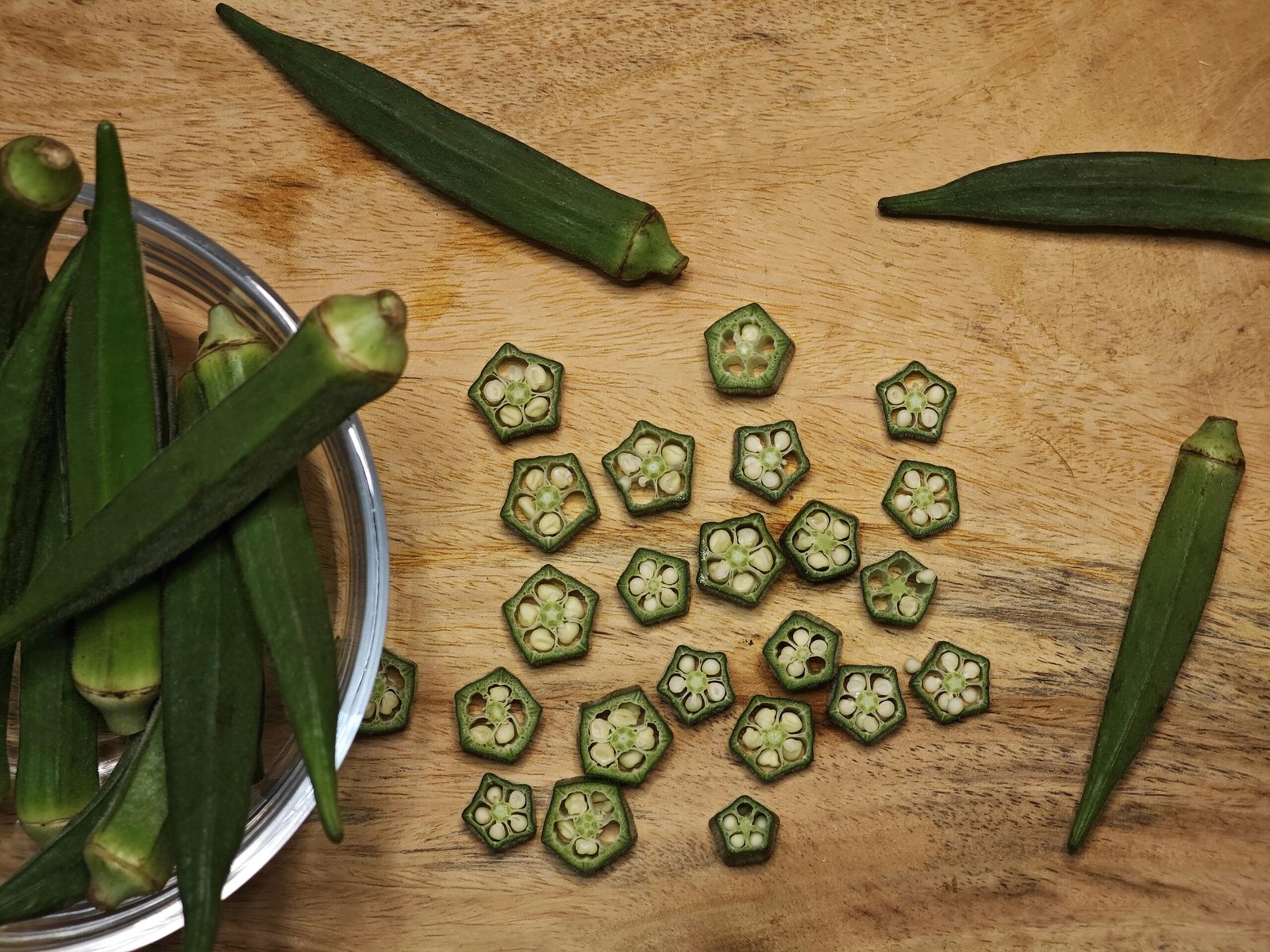
That Vegetable Nobody Talks About Enough
There is a funny thing that happens in most Indian households. The moment someone mentions lady’s finger at the dinner table, the room splits into two camps almost immediately. One side lights up — “Oh, I love bhindi!” The other side quietly makes a face and reaches for something else. Very few vegetables divide opinion quite like okra does, and most of that division comes down to one thing: the sliminess.
But here is what people in the second camp are missing. That sliminess — which is technically a soluble fibre called mucilage — is actually one of the most beneficial things about the vegetable. It is not a flaw. It is the feature. And once you understand what lady’s finger genuinely does for your body, you might start looking at it quite differently the next time it appears on your plate.
A Scene That Might Feel Familiar
Imagine a regular Tuesday afternoon. You are at a local sabzi shop, quickly picking up vegetables for the week. You grab tomatoes, onions, a bunch of coriander, and then your hand hovers over the lady’s finger for a second. You think — it is a bit of a task to cook, the kids probably won’t eat it, and honestly you are not sure it is worth the effort.
You move on. You pick up capsicum instead.
This is a choice most urban Indian families make without giving it much thought. Lady’s finger gets skipped not because it is bad, but because it never really had anyone properly explain why it is worth including. It does not have the marketing that spinach does. It is not trendy like kale. It just sits there, quiet and underestimated, while the real story of what it does for the body goes untold.
This article is that story.
What Lady’s Finger Actually Does for Your Health
Starting With the Gut — Because Everything Starts There
That sticky gel-like texture that okra produces when cooked is mucilage, a type of soluble fibre that does some very specific and useful work inside your digestive system. When you eat lady’s finger, this mucilage coats the lining of the intestines and helps move food through your system more smoothly. For people who struggle with constipation or irregular bowel movements — which, if you are eating a typical Indian diet heavy in refined flour and rice, is more common than people admit — this alone is a meaningful benefit.
But the gut work goes deeper than that. Soluble fibre is also a prebiotic, meaning it feeds the beneficial bacteria that live in your large intestine. A healthy gut microbiome influences everything from digestion and immunity to mental clarity and even skin health. Lady’s finger does not get the same attention as probiotic yoghurt in conversations about gut health, but the work it does is just as real.
Blood Sugar and Why Lady’s Finger Belongs on Diabetic-Friendly Menus
India has a staggering number of people living with Type 2 diabetes or in the pre-diabetic range. Within many families, there is at least one member managing blood sugar through diet. Lady’s finger is one of the more quietly powerful foods for this situation.
The mucilage in okra slows the rate at which sugar is absorbed from the gut into the bloodstream. This means that eating lady’s finger with a meal — especially a carbohydrate-heavy one — can blunt the spike in blood glucose that follows. Some traditional households have long practised soaking sliced okra in water overnight and drinking that water first thing in the morning for this reason. Research into this practice is still developing, but the underlying logic — that okra’s soluble fibre helps regulate glucose absorption — is well supported.
Additionally, some compounds in okra, particularly a flavonoid called quercetin, have shown potential in research settings to support insulin activity. This does not make lady’s finger a cure for diabetes, and anyone managing the condition should always work with their doctor. But as a regular part of a balanced diet, it is genuinely one of the more helpful vegetables to include.
Folate, Vitamin K, and the Nutrients Nobody Mentions
Most people think of lady’s finger as just a vegetable. Few think of it as a meaningful source of vitamins. But a single cup of cooked okra provides a notable amount of folate — a B vitamin that is critically important for pregnant women because of its role in preventing neural tube defects in developing babies. For women who are planning a pregnancy or in early stages, including folate-rich foods like okra is a straightforward dietary step that is often overlooked in favour of supplements alone.
Vitamin K is another nutrient that okra contains in useful quantities. Most people do not know much about vitamin K unless a doctor has mentioned it in the context of blood thinning medication, but it plays an important role in bone mineralisation — essentially helping calcium do its job properly in building and maintaining bone density. For women particularly, and for older adults at risk of osteoporosis, this is nutrition that quietly matters over years.
Heart Health in the Most Unassuming Package
Okra contains a type of soluble fibre that binds to cholesterol in the digestive tract and helps carry it out of the body before it gets absorbed into the bloodstream. This is the same mechanism by which oats are said to support heart health, but okra does it in a different and equally effective way. Over time, for people with elevated LDL cholesterol, incorporating okra consistently into the diet — not as medicine but simply as food — can contribute to gradual improvement.
The vegetable also contains antioxidants, including polyphenols, that help reduce oxidative stress in blood vessels. Chronic oxidative stress in the arterial walls is one of the underlying contributors to cardiovascular disease. Eating a diet rich in polyphenol-containing vegetables is one of the simplest and most affordable things a person can do to support long-term heart health. Lady’s finger, at its price point and availability, makes this incredibly accessible.
Vision, Immunity, and Staying Well Through the Seasons
Okra contains both vitamin A and vitamin C, which together support two things most people actively want: good eyesight as they age and a strong immune response that keeps seasonal illness at bay. The vitamin A in okra is particularly relevant for eye health — it supports the cornea and is involved in maintaining the mucous membranes that protect the eyes and respiratory tract.
During monsoon season in India, when viral infections circulate more rapidly and the body’s immune defences are working harder, consistent intake of vitamin C-rich foods provides real, practical support. A vegetable as common and affordable as lady’s finger being part of this picture is something worth noting.
Practical Ways to Actually Eat More Okra
The biggest barrier to eating lady’s finger regularly is almost always the texture. The sliminess that puts people off is manageable with a few simple techniques that actually make cooking it easier and more enjoyable.
Washing okra and drying it completely before cutting is the single most effective step. Moisture is what triggers excess mucilage release. If you cut wet okra, you will get the sticky, stringy texture that most people dislike. Dry it thoroughly with a cloth, cut it, and then cook it on medium-high heat without covering the pan. The open air and higher heat allow the sliminess to cook off within minutes.
Adding a small amount of acid — a squeeze of lemon juice, a bit of tamarind, or dried mango powder — also reduces the gel texture significantly. This is why South Indian recipes that use okra with tamarind, and North Indian bhindi masala with amchur, naturally produce a less slimy result. The cooking traditions already figured this out; the science simply confirms it.
Some practical ways to include it more regularly: dry-roast sliced okra in a pan with minimal oil until slightly crisp and use it as a topping over rice or dal. Add whole okra to sambar. Make stuffed bhindi with dry spice mixtures baked in the oven. For parents trying to get children to eat it, thinly sliced and air-fried okra with a light spice coating behaves almost like a crispy snack — completely different texture from the boiled or curried version.
If buying fresh vegetables regularly feels like a challenge with a busy schedule, several local grocery and vegetable delivery services now stock fresh okra with reliable quality, which makes building consistent habits around it much simpler.
Mistakes Most People Make With Lady’s Finger
Cutting okra immediately after washing it is probably the most widespread mistake, and it is why so many people had an early bad experience with the texture and never went back.
Overcrowding the pan is the second common error. When too many pieces are packed together while cooking, they steam rather than sauté, which releases more mucilage and leaves the vegetable soft and sticky instead of slightly firm and dry. Cook in smaller batches or use a wider pan.
Cooking it on low heat and covering it traps moisture — again creating the conditions for excess sliminess. Medium to high heat, uncovered pan, dry vegetable before cutting. These three things together solve most of the texture complaints.
Some people also cook okra too long, assuming it needs to be completely soft to be edible. It does not. Lady’s finger benefits from being slightly firm at the centre. Overcooked okra loses its texture and, frankly, most of its appeal.
How to Pick Fresh Lady’s Finger at the Market
Good okra has very clear signs. It should be bright green, firm, and snap cleanly when you bend it. If it bends without snapping, it is past its best and will be tough and fibrous inside. The tips should be intact and not dried out or darkened.
Size matters too. Smaller to medium okra, roughly 5 to 8 centimetres long, tends to be more tender and flavourful than the large ones. Very large okra often has a woody, chewy interior with large seeds that take over the eating experience. When you are at the market, choose the smaller, younger pods consistently.
Avoid any that show black spots, soft patches, or wrinkled skin. These are signs of age or improper storage. Fresh okra has a very short shelf life — ideally cook it within one to two days of purchase. If you cannot, store it unwashed and dry in the vegetable drawer of your refrigerator, loosely wrapped in a paper towel to absorb excess moisture.
Frequently Asked Questions
Q1: Can I eat lady’s finger every day? Yes, for most healthy adults there is no reason not to. It is low in calories, high in fibre and micronutrients, and safe for regular consumption. If you are on blood-thinning medication like warfarin, speak with your doctor first, since the vitamin K content in okra can interact with how those medications work.
Q2: Is the slimy part of okra harmful? Not at all. The mucilage in okra is a soluble fibre and is completely safe and beneficial to eat. It supports gut health, blood sugar management, and cholesterol levels. The texture can be managed with proper cooking methods, but the substance itself is nutritionally valuable.
Q3: Does okra help with weight management? It can support it. Okra is low in calories, high in water and fibre, and quite filling. Including it in meals helps with satiety without adding much to caloric intake. It is not a fat burner, but it is a very sensible vegetable to include when trying to eat lighter and more nutritiously.
Q4: Can children eat lady’s finger? Yes, and it is genuinely good for them. The folate, vitamin A, vitamin C, and fibre content are all relevant for growing children. The texture is the main challenge. Preparing it dry-roasted, stuffed, or very lightly spiced tends to be more acceptable to younger palates than the traditional curry version.
Q5: What is the best time to eat okra — lunch or dinner? Either works fine. If blood sugar management is a concern, including it at lunch or dinner alongside carbohydrate-heavy dishes like rice or roti is particularly useful, since the mucilage will slow glucose absorption from that meal. There is no strict rule about timing — consistency across the week matters more than the specific meal it appears in.
Conclusion
Lady’s finger is not a glamorous vegetable. It does not trend on food blogs or show up in smoothie recipes or health influencer posts. It just quietly sits in the market, affordable and available, doing everything right and asking for very little in return.
The gut support, the blood sugar benefits, the folate for growing families, the cholesterol management, the vitamins that keep your eyes and immune system working — none of it requires an expensive superfood or a complicated routine. It requires buying okra, drying it before you cut it, cooking it on decent heat, and eating it a few times a week.
That is genuinely all it takes. The vegetable does the rest.


