 (+91) 9445444862
 Info@indbiz.in


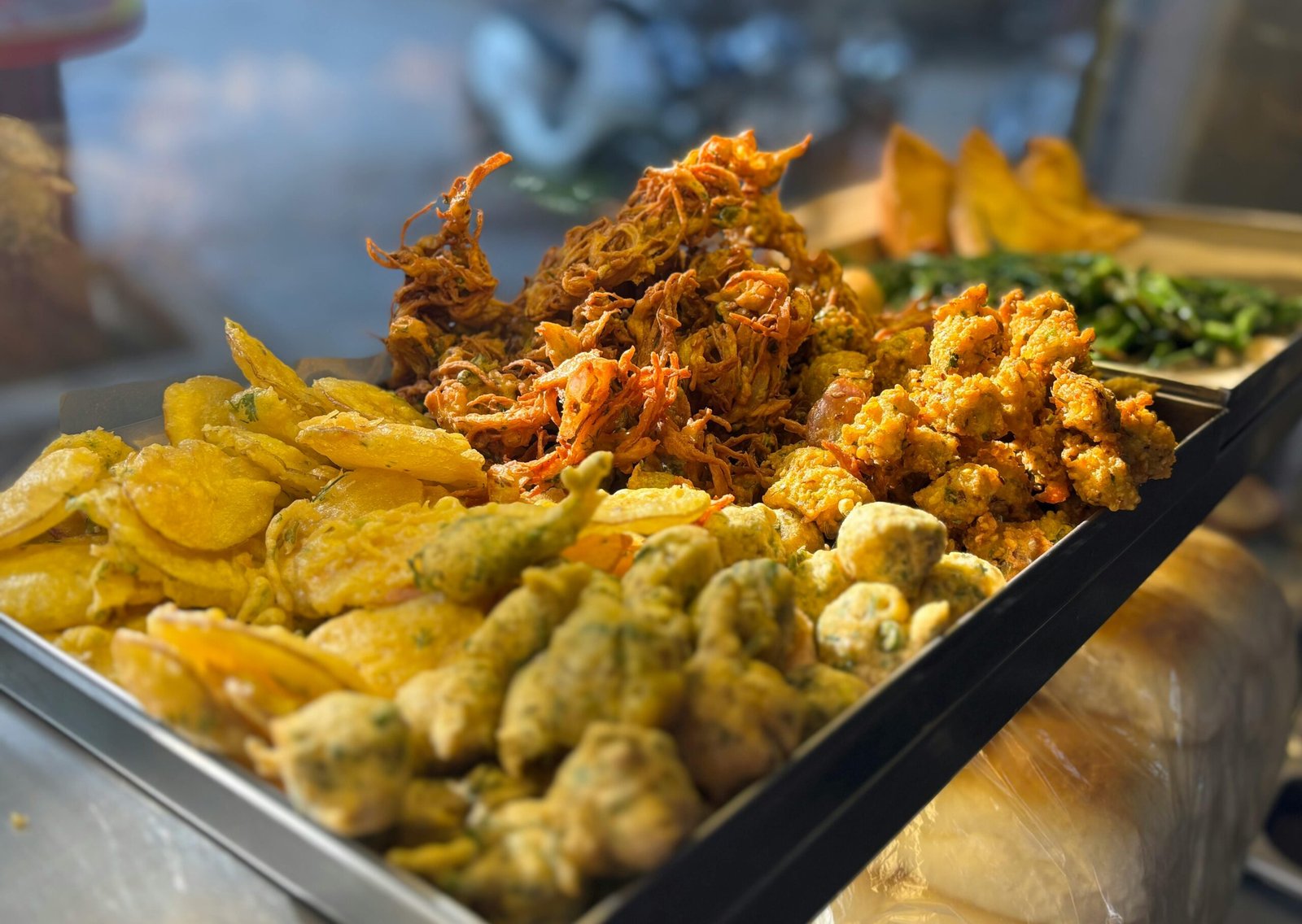
Somewhere between lunch and dinner, something happens in almost every Indian household. The meal was fine. The intention to eat well was genuine. And then three o’clock arrives, or four, and there is a pull toward the kitchen that has very little to do with real hunger and a great deal to do with habit, boredom, stress, or the particular restlessness that settles in during the quieter part of the afternoon. The hand reaches for whatever is closest. A packet of something. A few biscuits. Leftover farsan from a tin that has been sitting on the counter since someone brought it back from a trip. Chai with something sweet on the side.
This moment — repeated daily, across hundreds of millions of Indian households — is where a great deal of nutritional good intention quietly unravels. Not in a dramatic way. Not because the snack is catastrophically unhealthy. But because the accumulated effect of what happens between meals, day after day, shapes the body’s nutritional environment as meaningfully as the meals themselves do. And most people give their snacking habits a fraction of the thought they give to what they cook for lunch or dinner.
This article is about that gap. About what actually happens in the body during the afternoon that creates the snacking impulse, why the typical Indian snacking pattern makes it worse rather than better, and what a genuinely useful between-meal eating habit looks like when it is built around foods that work with the body rather than against it.
Why the Afternoon Hunger Is Real and Not a Weakness
Before getting into what to eat, it is worth spending a moment on why the afternoon hunger exists at all, because a lot of people treat it as a failure of willpower rather than a physiological event that is happening whether they like it or not.
The human body does not run on three discrete meals and nothing in between. It runs on blood glucose, which needs to be maintained within a reasonably narrow range for the brain and body to function well. After lunch, blood glucose rises as the meal is digested and then gradually falls as that glucose is used by cells for energy. By three or four in the afternoon — typically three to four hours after a midday meal — blood glucose has dropped to a point where the body signals for more fuel. This signal is hunger. It is not imaginary. It is not weakness. It is the body doing exactly what it is designed to do.
The problem is not that the signal exists. The problem is how most people respond to it. The options that are easiest to reach for — packaged biscuits, namkeen, chips, sweet biscuits, tea with sugar — provide a rapid glucose hit that temporarily satisfies the signal but then produces a secondary crash that leaves the body in a worse position than before. The blood sugar spikes, insulin responds, the glucose is cleared, and thirty to forty-five minutes later the hunger is back — sometimes stronger, accompanied now by a low-grade headache or a fog of tiredness that makes the rest of the afternoon genuinely difficult to get through productively.
This cycle of spike and crash, repeated daily, is not just uncomfortable. Over months and years it contributes to insulin resistance, progressive weight gain, and the metabolic drift toward pre-diabetes that is affecting a growing and increasingly younger segment of the Indian urban population. The afternoon snacking pattern is not a minor dietary detail. It is a daily metabolic event with cumulative consequences.
What the Typical Indian Snacking Pattern Actually Looks Like
It is worth being honest about this rather than presenting an idealised version. The reality of snacking in most Indian urban households involves some combination of the following: packaged biscuits — the digestive variety, the cream-filled variety, the glucose biscuit that has been marketed as an energy food for decades despite being primarily refined flour and sugar. Namkeen mixtures — sev, chivda, bhujia — which are high in refined carbohydrate, fried in oils of varying quality, and heavily salted. Instant noodles eaten as a snack rather than a meal, dressed up with extra masala and sometimes cheese. Chakli, mathri, or other deep-fried traditional savouries that exist in tins in most homes and are eaten without much awareness of quantity. Sweet biscuits or cookies. Packaged chips in various flavours.
None of these are foods that were designed to support afternoon energy or nutritional wellbeing. They were designed to be tasty, shelf-stable, inexpensive to produce, and compelling enough to reach for repeatedly. They succeed at all of these things. What they do not do is address the underlying blood glucose dip that created the snacking impulse, provide any meaningful nutrition, or support the body’s function through the remaining hours of the day.
Tea deserves a separate mention because it appears at almost every snacking occasion and has a complicated relationship with the food eaten alongside it. Tea itself is not the problem — as discussed in earlier articles, tea contains antioxidants and has genuine benefits in reasonable quantities. The problem is the way tea functions as an appetite suppressant in the short term, masking the hunger signal long enough to delay proper eating, and the way it consistently arrives alongside something sweet or refined that undoes whatever benefit the tea itself was providing.
What Actually Works — and Why
A genuinely useful afternoon snack does three things. It provides enough glucose to bring blood sugar back to a comfortable functional level. It does this slowly enough that the subsequent drop is gradual rather than sharp. And it provides something — protein, fibre, or fat — that slows digestion and extends the period of satiety so that the next real hunger arrives naturally at dinner rather than at five o’clock in another snacking emergency.
This is not a complicated formula. But it is a different formula from what most snacking foods offer, and understanding the difference changes what you reach for.
Roasted chana — Bengal gram, the small dark chickpea variety sold in paper bags at almost every market and street corner across India — is one of the best afternoon snacks available to anyone eating in the Indian food tradition. It provides protein, a good amount of fibre, complex carbohydrate that releases glucose slowly, and a range of minerals including iron and magnesium. A small handful — thirty to forty grams — eaten in the mid-afternoon provides steady energy for two to three hours without a crash. It costs almost nothing. It requires zero preparation. And it has been eaten as a snack on Indian streets and in Indian homes for so long that it barely registers as a health food, which is part of why it gets overlooked in favour of packaged alternatives that feel more modern.
Peanuts — raw or dry-roasted rather than the heavily salted and flavoured commercial varieties — offer a similar combination of protein, healthy fat, and fibre that makes them one of the most effective snacks for blood sugar stabilisation. The fat content of peanuts slows gastric emptying considerably, extending satiety well beyond what a carbohydrate-only snack provides. A small portion — twenty to twenty-five peanuts — is enough to shift the afternoon energy trajectory meaningfully.
Fresh fruit eaten with something that provides protein or fat is considerably more effective as a snack than fruit alone. A banana with a small spoon of peanut butter. An apple with a handful of peanuts. A small bowl of papaya with a few almonds. The fruit provides the glucose lift the body is asking for; the protein or fat moderates how quickly it arrives and how soon the drop follows. This pairing principle is simple and works consistently.
Makhana — fox nuts, the white puffed seeds from the lotus plant that have been eaten in India for centuries and have recently received more attention in the health food space — are a genuinely good snack option when dry-roasted with a small amount of ghee and light spicing. They are low in calories, provide a modest amount of protein and magnesium, and have a satisfying crunch that makes them feel like a real snack rather than a dutiful health choice. A medium bowl is around 70 to 80 calories — considerably lower than the equivalent volume of any fried namkeen.
Curd with a small amount of fruit or a drizzle of honey, or simply eaten plain with a pinch of black salt and roasted cumin powder, is a snack that provides protein and probiotics simultaneously. For gut health, getting probiotic food in between meals rather than only with meals increases the diversity of exposure and the colonisation opportunity for beneficial bacteria. The protein in curd extends satiety. The probiotics are an unconditional bonus.
The Forgotten Tradition of Seasonal Afternoon Snacking
There is a version of Indian snacking culture that preceded the packaged food era and that was actually quite sophisticated in its alignment with seasonal needs and body requirements.
In summer, the afternoon snack in many households was something cooling and hydrating — a glass of chaas, a slice of raw mango with salt and chilli, a small bowl of cut cucumber or fresh coconut pieces. These were not designed as health foods in the modern sense. They were practical responses to what the body needed in hot weather — hydration, electrolytes, and something light that would not generate additional internal heat.
In winter, the afternoon snack shifted toward warming, denser foods — til ke laddoo, peanut chikki, murmura mixed with jaggery, roasted sweet potato sold by street vendors. Again, not a designed health protocol but a seasonally intuitive response to what the body needed — more caloric density for warmth, warming spices, the particular combination of sesame and jaggery that provides iron, calcium, and slow-burning energy in a package that the body can use efficiently in cold weather.
These traditions have been largely replaced by packaged snacks that are the same regardless of season, temperature, or what the body is actually experiencing at any given time. The loss is not just nostalgic — it is practical. Seasonal, whole-food snacking provided genuine nutritional value calibrated to need. Packaged snacking provides consistent calories calibrated to palatability and shelf life.
Reviving even parts of this tradition — eating something cooling and hydrating in summer afternoons, shifting toward warming and denser whole foods in winter — is both more nutritionally intelligent and more pleasurable than the current default.
The Children’s Snacking Problem
It is impossible to write about Indian snacking habits without addressing what is happening with children specifically, because the patterns established in childhood persist into adulthood and the consequences play out across decades.
The after-school snack — what children eat between returning from school and sitting down to dinner — is one of the most nutritionally significant eating moments in a child’s day. At this point children are typically genuinely hungry, mentally fatigued from a full school day, and highly motivated to eat whatever is available and appealing. What is available and appealing in most homes is packaged food.
This is a window that deserves deliberate attention from parents. Not to deprive children of enjoyment in food — that creates its own problems — but to ensure that the options available at this specific hungry moment are ones that support rather than undermine the nutritional foundation being built during the years when it matters most.
Boiled corn with lemon and salt. Roasted chana with a light spice. A small bowl of curd with fruit. Peanut butter on a whole wheat roti. Steamed sweet potato with chaat masala. These are options that are genuinely enjoyable for most children when they are hungry enough and when they have been presented consistently enough to be familiar. The obstacle is usually availability — if the packaged option is immediately accessible and the whole food option requires preparation, the packaged option wins. Making the right option the easy option, through simple advance preparation, solves most of this.
Reading Hunger Honestly
One of the most useful snacking habits has nothing to do with what food is chosen. It is the habit of briefly checking whether the snacking impulse is actual hunger or something else before acting on it.
Genuine physical hunger — the blood glucose drop described earlier — has a particular quality. It builds gradually over time, is present regardless of what else is happening, and is resolved by eating. Emotional hunger, habit hunger, and boredom hunger have different qualities — they arrive suddenly, are often connected to a specific trigger, are usually for something particular rather than food in general, and persist after eating without fully resolving.
Neither type is a moral failing. Both are real. But they call for different responses. Physical hunger calls for food — ideally the kinds described above. Emotional or habit hunger sometimes calls for a glass of water and a few minutes of doing something other than eating. Sometimes it calls for acknowledging what the underlying feeling is and addressing it directly. Sometimes it calls for a small amount of something genuinely enjoyable without guilt and without a spiral of compensatory restriction.
The distinction matters because eating in response to emotional hunger — particularly if the food chosen is high sugar or high refined carbohydrate — perpetuates the cycle it was meant to resolve. The food provides a brief mood lift through blood sugar elevation, the blood sugar drops, the mood follows, and the emotional state that triggered the snacking is now also accompanied by a blood sugar crash. The cycle deepens.
Building enough awareness to notice which type of hunger is operating is one of the higher-value habits available for improving daily nutrition without changing anything about what foods are bought or cooked.
Building a Snack Habit That Actually Holds
The snacks that work long-term are the ones that require the least friction to access and that satisfy genuinely rather than temporarily. This means having them available without requiring preparation at the moment of hunger — which is the moment when the capacity for good decision-making is lowest.
A jar of roasted chana on the kitchen counter. A container of makhana dry-roasted in a batch once a week. Fruit washed and cut and sitting in the refrigerator ready to eat. Curd available in a container that can be scooped from immediately. A small container of mixed nuts and dried fruit that requires nothing more than opening.
These are not dramatic interventions. They are the result of ten minutes of preparation at a time when the hunger pressure is not operating — which makes the good choice the available choice when the hunger arrives.
The packaged snacks that currently occupy these positions — the tin of biscuits, the bag of chips, the box of namkeen — do not need to be banned or treated as forbidden. They need to be moved to a slightly less convenient position in the kitchen and replaced at the immediately accessible position with options that actually serve the body well. The principle is not restriction. It is architecture — designing the environment so that the easy choice is also the good one.
FAQ
Q: Is it better to avoid snacking entirely and just eat three larger meals? For some people with stable blood sugar and appetite regulation, three meals without snacking works well. For most people, particularly those with active schedules, long gaps between meals, or any tendency toward blood sugar fluctuation, a small strategically placed snack prevents the overcorrection at the next meal that leads to overeating. The goal is not to snack for its own sake but to maintain stable blood glucose and appetite through the day.
Q: Are nuts too high in fat and calories for a weight management snack? Nuts are calorie-dense, but the evidence consistently shows that people who eat nuts regularly as part of their diet do not gain more weight than those who avoid them and in many studies show better weight management outcomes. The protein and fat in nuts produces satiety that compensates for the caloric density. The key is portion awareness — a small handful rather than unlimited grazing.
Q: Is chai with a snack a problem? Chai itself is fine. The issue is what comes with it and how much sugar it contains. Reducing tea sugar gradually, choosing a whole food snack alongside it rather than a biscuit or sweet, and treating chai as an accompaniment rather than the main event makes the tea break a nutritionally reasonable part of the day rather than a blood sugar disruption.
Q: My child only wants packaged chips or biscuits after school. How do I change this? Gradual replacement works better than sudden removal. Introduce one new whole food option alongside the usual snack rather than replacing it entirely. Over two to three weeks, increase the proportion of the whole food option while reducing the packaged one. Presentation matters enormously for children — roasted chana in a small colourful bowl with a squeeze of lemon feels different from the same chana in a plain container. Involvement in choosing or preparing snacks also builds acceptance significantly.
Q: How do I handle snacking when I am working from home and the kitchen is always accessible? Structured eating times are more effective than willpower when the kitchen is immediately accessible. Setting a specific snack time — say 4 PM — and eating a real small snack at that time reduces the continuous grazing that proximity to the kitchen enables. Keeping the kitchen counter free of visible snack options except for whole foods removes the visual trigger that initiates mindless eating most reliably.
Conclusion
The afternoon is not the enemy of healthy eating. The snacking impulse that arrives reliably between meals is not a weakness or a failure of discipline. It is the body asking for something real, in the specific language of hunger, at a time when the morning’s food has been used and dinner has not yet arrived.
What matters is what gets offered in response to that ask. A handful of roasted chana answers it genuinely — providing the fuel the body is looking for, in a form that lasts, without a crash that creates the next round of hunger an hour later. A packet of biscuits answers it briefly, sends the blood sugar on a small adventure, and leaves the body in roughly the same position it was in before, with slightly less capacity to make good decisions about what to eat at dinner.
The difference between these two responses, multiplied across every afternoon of every week of every year, is not small. It accumulates quietly and consistently into the nutritional foundation that determines how the body ages, how energy levels hold through the decades, and how far daily metabolic health drifts from or stays close to where it should be.
Snacking well is not a minor detail of healthy eating. It is a daily practice that deserves the same attention as any other meal. The ingredients for doing it right are already available, already affordable, already part of the Indian food tradition. They just need to be moved to the front of the shelf.


