 (+91) 9445444862
 Info@indbiz.in


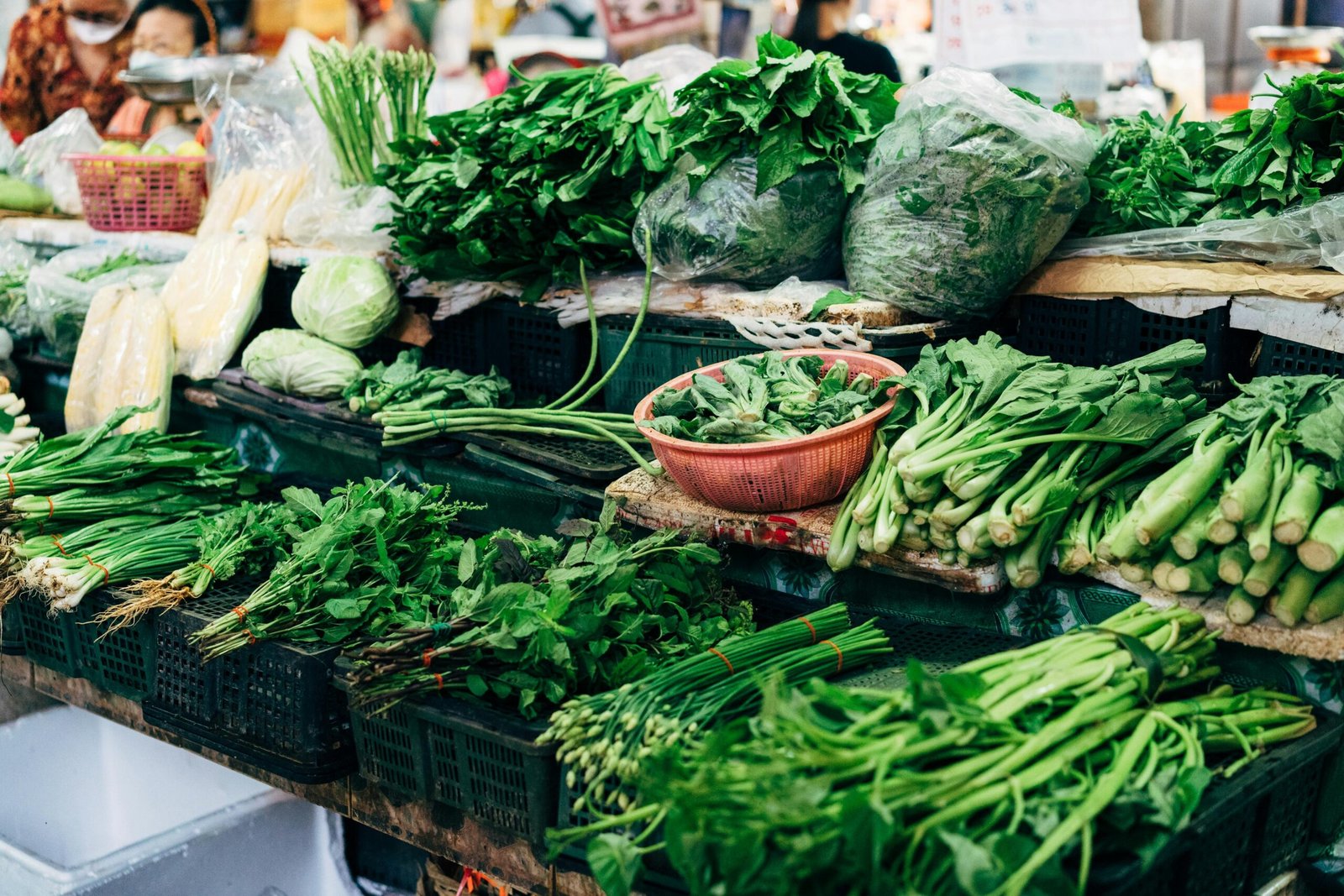
There is a particular kind of vegetable that manages to be simultaneously everywhere and nowhere. Spinach is like that. It appears on every list of healthy foods ever written. It is mentioned in every conversation about iron deficiency. It shows up in smoothie recipes, in diet plans, in the advice of every doctor who has ever told a patient to eat more greens. And yet, in the actual daily cooking of most Indian households, it appears perhaps once a week if the family is consistent, once a fortnight if they are not, and sometimes not at all for stretches that go on longer than anyone quite notices.
The gap between how much palak is talked about and how much palak is actually eaten is worth examining. Because spinach is not a difficult vegetable. It is not expensive. It is not hard to cook. It does not require special technique or unusual ingredients. What it requires is the habit of buying it regularly, using it before it wilts, and understanding it well enough to cook it in ways that the family will actually eat rather than tolerate.
This article is an attempt to close that gap — not by listing the ten benefits of spinach in bullet points, which has been done approximately ten thousand times and has not noticeably changed anyone’s eating habits, but by explaining what spinach actually does, why it matters specifically in the context of how most Indian families eat, and how to make it a real and regular part of the weekly kitchen rather than an occasional good intention.
What Is Actually Happening When You Eat Spinach
Spinach is a leaf. That sounds obvious, but it is worth starting there because the things that make leaves nutritionally interesting — the chlorophyll, the concentration of micronutrients, the particular fibre composition, the phytochemical density — are things that accumulate in leaves in ways they do not accumulate in roots, stems, or fruit. Leaves are the part of the plant that is doing the most metabolic work — capturing light, driving photosynthesis, producing and transporting the chemical compounds the plant needs to survive. That metabolic activity is reflected in the nutritional density of what the leaf contains.
Spinach specifically contains iron, folate, vitamin K, vitamin C, vitamin A in the form of beta-carotene, magnesium, potassium, and a range of antioxidants including lutein, zeaxanthin, and various flavonoids. It also contains oxalic acid, which is the compound that gives spinach its slightly astringent quality when eaten raw and which has a complicated relationship with some of its minerals — more on that shortly. And it contains a modest amount of protein for a vegetable — roughly 2.9 grams per 100 grams — which is not exceptional but contributes to the overall protein intake in a vegetarian diet in a way that accumulates meaningfully when spinach is eaten regularly.
None of these nutrients are exclusive to spinach. Many dark leafy greens contain similar profiles. What makes spinach particularly practical is the combination of nutrient density, wide availability across India year-round, low cost, fast cooking time, and versatility across both South and North Indian cooking traditions. It is not the most nutritious green — moringa leaves and amaranth leaves both have stronger profiles in certain categories — but it is the most consistently available and the most likely to actually be used in a real kitchen rather than admired in theory.
The Iron Conversation — Getting It Right
Iron deficiency anaemia is one of the most prevalent nutritional deficiencies in India, affecting a disproportionate number of women, adolescent girls, and young children. The statistics on this are genuinely alarming — India has among the highest rates of anaemia globally, and a significant proportion of it is dietary iron deficiency that is preventable through consistent eating of iron-rich foods.
Spinach is iron-rich, and this is why it gets mentioned so consistently in conversations about anaemia. A 100-gram serving of cooked spinach provides a meaningful amount of non-haem iron — the plant-based form of iron. The distinction between haem iron from meat and non-haem iron from plants matters, because non-haem iron is absorbed less efficiently by the body than haem iron. This is the basis for the claim that spinach’s iron is not as bioavailable as it appears on paper, which is true but only part of the story.
The absorption of non-haem iron can be significantly enhanced by vitamin C consumed in the same meal. Vitamin C reduces ferric iron to ferrous iron in the gut, the form that intestinal cells absorb much more readily. Spinach itself contains vitamin C, which is one reason it is a better iron source than its non-haem status alone would suggest. Squeezing lemon juice over cooked spinach, eating it alongside a tomato-based dal, or including it in a meal with other vitamin C-rich ingredients — capsicum, amla, raw coriander — further improves the iron absorption substantially.
The oxalic acid in spinach does inhibit some calcium absorption and to a lesser degree iron absorption, but cooking reduces oxalate content considerably. Blanching spinach briefly, cooking it in a dal, or making it into a sabzi with a proper tempering all reduce the oxalate burden while preserving most of the iron and other minerals. The practical takeaway is straightforward: cooked spinach with a source of vitamin C in the same meal is a genuinely effective dietary strategy for improving iron intake.
Folate and Why Spinach Belongs on the Table During Pregnancy
Folate — vitamin B9 — is the nutrient most associated with neural tube defect prevention in early pregnancy. The neural tube, which develops into the brain and spinal cord, closes within the first four weeks of pregnancy — often before a woman even knows she is pregnant. Adequate folate in the weeks surrounding conception and in the first trimester is critical for ensuring this closure happens correctly.
The Indian diet is frequently low in folate, partly because the cooking methods that destroy folate — prolonged boiling, pressure cooking, reheating repeatedly — are common in everyday preparation. Spinach is one of the better dietary sources of folate available in the Indian kitchen, but it needs to be cooked in ways that preserve rather than destroy its folate content. Brief cooking — wilting in a pan for a few minutes, adding to dal at the end rather than pressure cooking from the beginning, making a quick stir-fry rather than a long-cooked gravy — preserves significantly more folate than cooking until completely soft.
For women of reproductive age — which is most women between approximately 15 and 45 — maintaining consistent folate intake through diet is genuinely important regardless of whether pregnancy is being planned. Folate is involved in DNA synthesis and repair, in the production of red blood cells, and in the normal function of the nervous system. A diet consistently low in folate produces effects that go beyond pregnancy risk — including fatigue, poor concentration, and the megaloblastic anaemia that results from impaired red blood cell production.
Spinach eaten three to four times a week, cooked briefly and including the vitamin C that enhances its mineral absorption, is a simple and affordable way to maintain folate intake in a population that generally does not get enough of it.
The Eyes — A Benefit That Barely Gets Mentioned
Lutein and zeaxanthin are two carotenoids that are present in spinach in particularly high concentrations. Unlike beta-carotene, which the body converts to vitamin A, lutein and zeaxanthin are not converted to any other compound. They go directly to the eyes, where they concentrate in the macula — the central part of the retina responsible for sharp, detailed vision — and function as internal sunglasses, filtering out high-energy blue light and protecting macular cells from oxidative damage.
Age-related macular degeneration is one of the leading causes of vision loss in older adults globally, and India’s ageing population is increasingly affected by it. The evidence connecting higher dietary intake of lutein and zeaxanthin with reduced risk of macular degeneration is among the more consistent in nutritional epidemiology. This is not a marginal or speculative connection — it is supported by multiple large-scale studies and is the basis for the lutein supplementation that ophthalmologists sometimes recommend.
The practical implication is that eating spinach regularly from middle age onward is one of the more direct dietary investments in long-term eye health available through ordinary food. This is a benefit that almost never gets mentioned in the standard spinach health conversation, which tends to focus entirely on iron. It deserves more attention — particularly in a country where screen exposure is high, UV exposure is intense, and regular eye health monitoring is not universal.
What Spinach Does for the Heart and Blood Pressure
The potassium and magnesium in spinach work together in ways that are directly relevant to cardiovascular health. Potassium counteracts the blood-pressure-raising effect of sodium — the dominant mineral in the typical Indian diet, consumed in excess through pickles, papads, packaged food, and salt-heavy cooking across most regional cuisines. Higher potassium intake is consistently associated with lower blood pressure in population studies, and it operates through a direct mechanism — helping the kidneys excrete more sodium through urine.
Magnesium supports the relaxation of blood vessel walls, which reduces peripheral vascular resistance and contributes to lower blood pressure through a different mechanism than potassium. The combination of these two minerals in spinach makes it one of the more cardiovascularly relevant vegetables available, and this is before considering its folate content — high homocysteine levels, associated with low folate intake, are an independent risk factor for cardiovascular disease that is addressed through consistent dietary folate.
The nitrates in spinach — not the synthetic nitrates added to processed meat but naturally occurring dietary nitrates — are converted in the body to nitric oxide, which relaxes and dilates blood vessels, improving blood flow and reducing the effort the heart has to make to pump blood through the circulatory system. This is the mechanism behind the improved exercise performance that has been studied in relation to dietary nitrate consumption, and it has direct implications for cardiovascular health in everyday life, not just in athletic performance contexts.
Bone Health — The Vitamin K Story
Vitamin K is not a nutrient that most people think about consciously, but it is essential for bone health in a way that is often not appreciated. Calcium gets most of the attention in bone health conversations, and appropriately so — calcium is the primary mineral in bone tissue. But vitamin K is required for the activation of osteocalcin, a protein that anchors calcium into the bone matrix and is essential for bone mineralisation to happen effectively. Without adequate vitamin K, calcium intake — however high — does not translate fully into strong bones.
Spinach is one of the richest dietary sources of vitamin K available in the Indian kitchen. A single serving of cooked spinach provides several times the recommended daily intake for most adults. For people who do not consume dairy regularly, who have limited sun exposure for vitamin D synthesis, or who are at risk of bone density loss — women post-menopause, older adults generally — ensuring consistent vitamin K intake through dark leafy greens like spinach is a practical and important dietary strategy.
The interaction between vitamin K and blood-thinning medications — particularly warfarin — is worth noting. People on anticoagulant therapy need to keep their vitamin K intake consistent rather than eliminating it, and should work with their doctor to understand how spinach and other vitamin K-rich foods fit into their medication management. This is not a reason to avoid spinach; it is a reason to eat it consistently and communicate clearly with the prescribing doctor.
How to Cook Spinach So It Is Actually Eaten
The version of palak that ends up ignored on the side of the plate is usually the version that has been cooked too long, seasoned too little, or made in a way that produces a khaki-coloured, slightly bitter mass that bears little resemblance to the bright, flavourful thing the vegetable can be.
Spinach responds dramatically to brief cooking. A handful of washed spinach leaves wilted in a pan with a proper tempering — garlic, dried chilli, a little cumin — takes three to four minutes from start to plate and tastes bright, slightly sweet, and completely different from overcooked spinach. The colour stays vivid green. The texture retains some body. The flavour is present rather than flattened.
Palak dal — spinach added to toor or moong dal, either pressure-cooked together or with spinach stirred in after the dal is cooked — is one of the most complete and satisfying dishes in the Indian vegetarian repertoire. The protein from the lentils, the iron from the spinach, the vitamin C from a squeeze of lemon at the end, and the fat-soluble nutrient absorption from the tempering ghee or oil — this is a single dish that does a remarkable amount of nutritional work simultaneously and takes under thirty minutes to make.
Palak paneer needs no introduction, but it is worth noting that the restaurant version — with its thick, cream-laden gravy — is nutritionally quite different from a home version made with minimal cream or none at all. A home palak paneer made with a blended spinach base, a light tempering, whole spices, and a moderate amount of paneer is a dish that provides protein, iron, calcium, folate, and fat-soluble vitamins in a combination that is genuinely excellent. The cream is flavour, not nutrition, and it can be reduced or eliminated without compromising the essential character of the dish.
Spinach added to chapati dough — palak roti — is one of the most practical ways to get leafy greens into children who resist them in sabzi form. The spinach is blended into a puree, kneaded into the dough, and becomes invisible in the finished roti while contributing iron, folate, and a vivid green colour that children often find interesting rather than suspicious. Served with curd or a mild dal, this is a meal that provides excellent nutrition with essentially zero confrontation at the table.
Spinach works well in eggs — scrambled into an omelette or a bhurji, wilted into the eggs in the last minute of cooking. For households that eat eggs, this is one of the fastest and most nutritious breakfasts available, and it combines the iron of the spinach with the haem iron of the egg yolk and the vitamin C needed for absorption in a single preparation.
Buying, Storing, and Not Wasting Spinach
Spinach is one of the more perishable vegetables in the market basket and is responsible for a significant amount of vegetable waste in households that buy it with good intentions and then find it wilted and yellowing in the refrigerator three days later before it has been used.
Buy spinach in quantities you can realistically use within two days. If you buy a large bunch, wash it, dry it completely, and store it in a container lined with a dry paper towel in the refrigerator — the paper towel absorbs excess moisture that accelerates wilting. Stored this way, spinach stays usable for four to five days rather than two.
Alternatively, blanch and freeze it immediately after purchase. Blanching — plunging briefly into boiling water for ninety seconds and then into ice water to stop cooking — and then freezing preserves most of the nutrient content and gives you spinach ready to add to dal, eggs, or any cooked preparation at any point over the next month. The texture after freezing is not suitable for salads but is perfectly appropriate for cooked dishes, which is most of what spinach is used for in Indian cooking anyway.
At the market, choose bunches that are dark green throughout with no yellowing or wilting. Avoid bunches with slimy stems or leaves that have begun to collapse — these are already deteriorating and will not last even the trip home in usable condition. Baby spinach, if available, is more tender and requires even less cooking time than regular spinach, making it particularly useful for quick preparations and for adding to dishes at the very end.
Local grocery and vegetable delivery services that source fresh daily carry spinach reliably through most seasons, which can help with the freshness challenge for households that cannot shop daily.
FAQ
Q: Is raw spinach in salads better than cooked spinach? Raw spinach retains more vitamin C and certain heat-sensitive nutrients. Cooked spinach has lower oxalate content, which improves calcium and iron absorption, and cooking also releases certain antioxidants — particularly lutein — more readily. The practical answer is that both forms offer different nutritional advantages, and eating spinach in both raw and cooked preparations across the week captures the broadest range of benefits. For people with kidney stones related to oxalate, cooked spinach is preferable to raw.
Q: How much spinach is too much? For healthy adults without kidney stone history or blood-thinning medication, eating spinach daily in reasonable cooking quantities — one to two cups of cooked spinach — is safe and beneficial. Very large amounts of raw spinach daily over extended periods can theoretically affect thyroid function in people with pre-existing thyroid sensitivity due to goitrogen content, though cooking neutralises most of this. Variety across different leafy greens — rotating spinach with amaranth, fenugreek, moringa — is always better than exclusive dependence on any single vegetable.
Q: Does freezing spinach destroy its nutritional value? Blanching and freezing spinach preserves most of its nutritional content — particularly iron, folate, and most vitamins — far better than fresh spinach that has been sitting in a refrigerator for five days. Frozen spinach is a nutritionally excellent option when fresh is not available or when reducing waste is a priority.
Q: My child refuses spinach in any form. What do I do? Palak roti with the spinach blended into the dough so it is invisible is the most consistently successful approach for spinach-resistant children. Spinach blended into a smoothie with banana and a small amount of honey is another — the banana flavour dominates completely and the spinach contributes colour and nutrition invisibly. Gradual, consistent, low-pressure exposure over weeks is more effective than forcing or dramatising the issue.
Q: Is packaged washed spinach from the supermarket as nutritious as fresh market spinach? Packaged washed spinach is generally pre-washed and sometimes treated to extend shelf life. If it is genuinely fresh — bought close to the sell-by date — the nutritional difference from fresh market spinach is modest. If it has been sitting in the refrigerator for several days past purchase, nutrient degradation is significant. Fresh market spinach bought and used within two days is the best option; packaged spinach used immediately is a reasonable alternative.
Conclusion
Spinach does not need defending. It has been eaten for centuries across cultures, recommended by every nutritional framework that has ever seriously examined it, and validated by research that keeps finding new reasons to eat it consistently. The case for spinach is not complicated. It is just not followed.
The reason it is not followed more consistently is not lack of information. It is lack of habit. And habits are built not through knowing something intellectually but through doing it repeatedly until it stops requiring a decision.
Buying spinach every week. Using it within two days. Cooking it briefly so it tastes like something rather than nothing. Adding it to dal, to eggs, to roti dough, to whatever is being made. These are small, repeatable actions that over weeks become the background of a kitchen that is quietly doing the right thing for the bodies eating from it.
The iron, the folate, the lutein for the eyes, the vitamin K for the bones, the potassium for the heart — all of it arrives as part of a vegetable that costs thirty rupees a bunch and takes four minutes to wilt in a pan with garlic and dried chilli.
That is not a complicated health intervention. It is just dinner. Which is, most of the time, exactly what good nutrition looks like when it is working properly.


