 (+91) 9445444862
 Info@indbiz.in


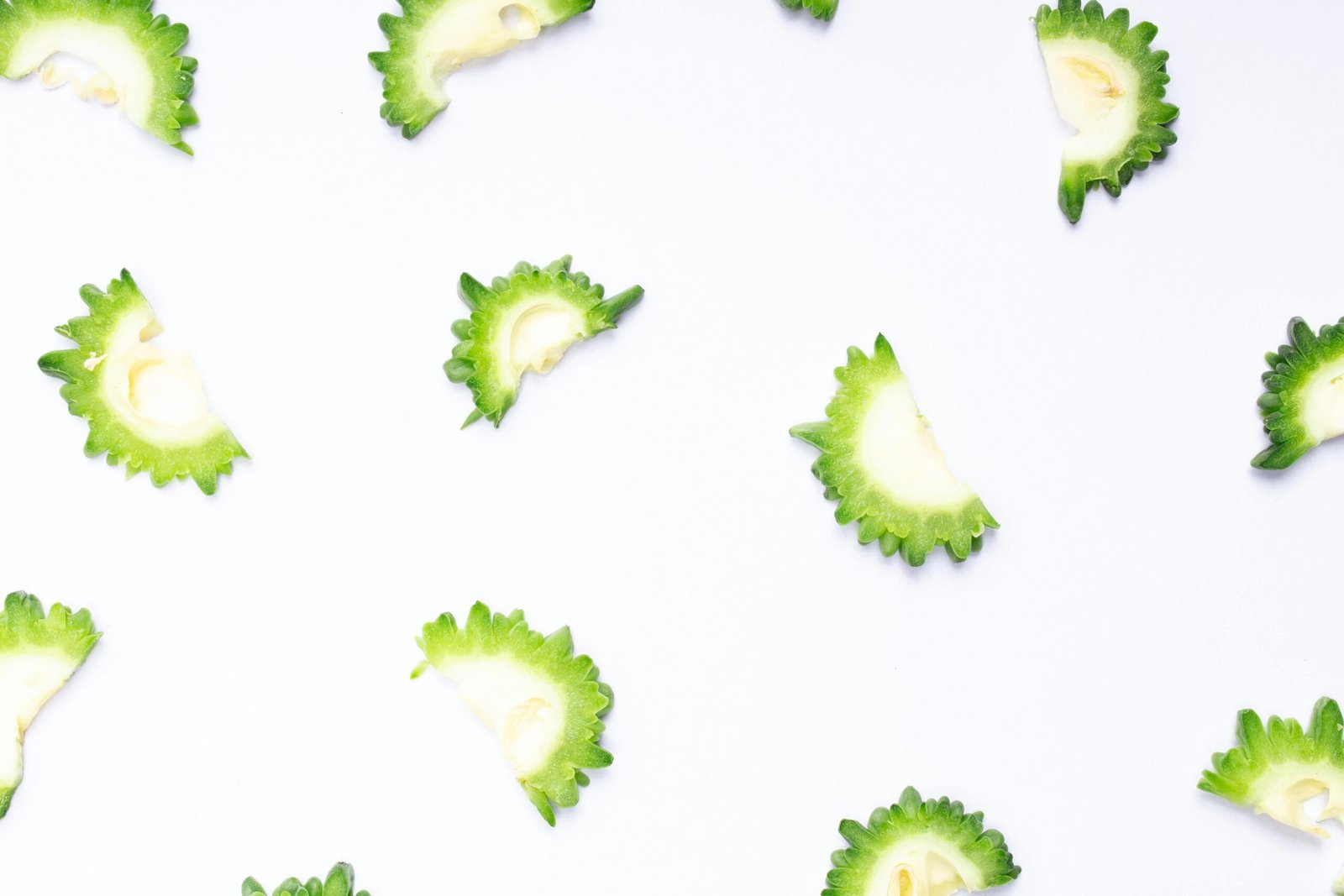
Here is your next complete blog article, ready to copy-paste into WordPress:
Bitter Gourd — The Vegetable Everyone Avoids and Almost Everyone Needs
Let us be honest about something right at the start. Bitter gourd is not a vegetable that anybody falls in love with immediately. There is no childhood memory of reaching for seconds of karela sabzi. No street food stall doing brisk business selling bitter gourd snacks. No moment at a wedding buffet where someone says — oh good, they have made karela. It is the vegetable that sits at the edge of the plate, approached cautiously, eaten dutifully, and quietly resented by a significant portion of the Indian population.
And yet, ask anyone over sixty who has eaten it regularly their whole life, and you will hear a different story. They will tell you it keeps the blood clean. That it is good for the liver. That it manages sugar. That their mother made them eat it every week without negotiation, and that they are grateful now even if they were not then. There is a generational knowledge around bitter gourd that has been passed down not through cookbooks or nutrition labels but through the simple insistence of older family members who understood, without being able to explain the biochemistry, that this particular vegetable was doing something important.
They were right. And the science that has accumulated around bitter gourd over the last few decades has been consistently confirming what Indian kitchens have known for centuries.
A Vegetable With a Reputation Problem
The name does not help. Bitter gourd. Karela. The bitterness is right there in the title, announced upfront, making no attempt to be appealing. Other vegetables at least try — sweet potato sounds inviting, baby corn sounds charming, even ridge gourd is neutral enough to give a fair chance. Bitter gourd walks into the room having already told you something you might not want to hear.
But bitterness in food is worth reconsidering as a category. The human aversion to bitter taste is evolutionary — young children are hardwired to reject it because many toxic plants taste bitter, and rejecting bitterness was a survival mechanism in early human development. As adults, that mechanism is less relevant, and cultures that have learned to work with bitter foods — through cooking technique, spice pairing, and gradual exposure — consistently find that those foods carry some of the most powerful medicinal properties in the plant world. Coffee, dark chocolate, turmeric, neem, fenugreek — bitterness and biological potency tend to travel together. Bitter gourd sits squarely in this tradition.
The bitterness itself comes from a compound called momordicin, along with several other alkaloids and glycosides that are responsible for both the taste and many of the health effects. When you reduce the bitterness through salting, soaking, or cooking technique, you are partially reducing these compounds — which means the most bitter preparations of karela are, somewhat inconveniently, also the most medicinally potent. This is not an argument for eating it in a way that is genuinely unpleasant. It is just useful context for understanding the relationship between the flavour and the function.
What Bitter Gourd Actually Does — Starting With Blood Sugar
The most documented and most discussed benefit of bitter gourd is its effect on blood glucose, and it is worth taking this seriously rather than dismissing it as folk medicine. Bitter gourd contains at least three active compounds — charantin, vicine, and polypeptide-p — that have each been studied independently for their glucose-lowering effects. Charantin has been shown to have hypoglycaemic properties. Polypeptide-p is sometimes described as a plant-based insulin analogue because of the way it mimics insulin activity in the body.
Multiple clinical studies have found that consuming bitter gourd — as juice, as a cooked vegetable, or as an extract — produces measurable reductions in fasting blood glucose and post-meal blood sugar levels in people with Type 2 diabetes. The effect is not as powerful or as reliable as pharmaceutical medication, and nobody managing diabetes should replace their prescribed treatment with karela juice. But as a complementary dietary strategy, as part of a pattern of eating that includes regular physical activity and overall carbohydrate awareness, bitter gourd is one of the most evidence-supported foods available for blood sugar management.
This is not a new discovery. Ayurvedic texts have classified bitter gourd as a specifically beneficial food for what was called prameha — a condition that corresponds closely to what we now understand as diabetes. Traditional medicine practitioners across India, Southeast Asia, and the Caribbean have recommended it for blood sugar management for centuries, independently and across cultures that had no contact with each other. When multiple unconnected traditions arrive at the same conclusion about a plant, it is usually because the plant is genuinely doing what they say it is doing.
The Liver — An Organ That Benefits Quietly
Beyond blood sugar, bitter gourd does specific and important work for the liver that rarely gets the attention it deserves in popular health conversations. The liver is responsible for an extraordinary range of functions — filtering toxins from the blood, metabolising fats, producing bile for digestion, storing glycogen, synthesising proteins. It is one of the hardest working organs in the body and one of the most resilient, capable of regenerating itself to a remarkable degree. But it is not invincible, and modern urban lifestyles — with irregular eating, alcohol, processed food, environmental pollutants, and certain medications — put it under sustained stress.
Bitter gourd has been studied for hepatoprotective properties — the ability to protect liver cells from damage. Animal studies and some human research have found that bitter gourd extract reduces markers of liver inflammation and supports the regeneration of liver tissue after damage. Traditionally, bitter gourd juice taken on an empty stomach in the morning was recommended as a liver tonic — not just in Ayurveda but in traditional medicine systems across Asia. The practice has survived because people observed over time that it produced tangible results in how the body felt and functioned.
For people who drink alcohol occasionally, take long-term medication, live in polluted urban environments, or eat a diet with significant amounts of processed food — which describes a large proportion of urban Indians — supporting liver health through diet is genuinely worthwhile. Bitter gourd is one of the more direct tools available for this purpose.
Immunity, Skin, and the Antioxidant Picture
Bitter gourd is a surprisingly good source of vitamin C — a single cup of cooked bitter gourd provides roughly 70 to 80 percent of the recommended daily intake for an adult. This alone makes it relevant for immune function, but the vitamin C in bitter gourd comes alongside a range of other antioxidants including flavonoids, polyphenols, and carotenoids that work together rather than in isolation.
For skin health, this antioxidant combination has a direct practical effect. Oxidative stress — caused by pollution, UV radiation, poor diet, and chronic stress — is one of the primary drivers of premature skin ageing, acne, and inflammatory skin conditions. Regular consumption of antioxidant-rich foods reduces the oxidative load on skin cells. Bitter gourd juice has been used topically in some traditional practices for skin conditions including eczema and psoriasis, though this is a different application from dietary consumption and the evidence is less robust.
What is more clearly supported is the internal benefit — eating bitter gourd as part of a diet rich in vegetables and whole foods contributes to the kind of cellular environment where skin health naturally improves over time. It is not a cosmetic product. It is food that supports the systems that determine how skin looks and functions from the inside.
The Digestive Angle — Why It Works Before and After a Meal
Bitter foods have a specific role in digestion that has been understood in Ayurveda for a very long time and is now being validated in modern gastroenterology. Bitterness triggers the release of bile from the gallbladder and stimulates digestive enzyme activity in the small intestine. This means that eating something bitter — bitter gourd, fenugreek, neem — before or at the beginning of a meal actually prepares the digestive system to process the food that follows more efficiently.
This is why the traditional practice of eating a small piece of raw bitter gourd or drinking a small amount of karela juice before meals is not arbitrary. It is priming the digestive system. In a context where bloating, heaviness after meals, and sluggish digestion are extremely common complaints — often the result of diets low in bitters and high in sweet, salty, and fatty foods — reintroducing bitter foods regularly can produce noticeable improvements in how meals are processed and how the body feels afterward.
The fibre content of bitter gourd also contributes to digestive health in the more straightforward sense — supporting regularity and feeding beneficial gut bacteria. It is not exceptional in this regard compared to other vegetables, but it adds to the overall dietary fibre intake in a form that is well tolerated when cooked.
How to Cook Bitter Gourd So People Actually Eat It
This is where most conversations about karela fall short. The health benefits are mentioned, the bitterness is acknowledged as a problem, and then the article moves on without actually helping anyone figure out how to get the vegetable onto a plate that will be eaten willingly.
The bitterness can be reduced significantly with a few simple techniques. Slicing the bitter gourd, rubbing it generously with salt, and leaving it to sit for twenty to thirty minutes draws out a significant amount of the bitter liquid through osmosis. Rinse it thoroughly after this step and squeeze out the excess moisture before cooking. This single technique makes a considerable difference in palatability without requiring any special equipment or unusual ingredients.
Stuffed karela — bharwan karela — is one of the most effective ways to make bitter gourd appealing to people who are resistant to it. The inside of the gourd is scraped out, the outer shell is stuffed with a dry mixture of onion, dried mango powder, coriander, fennel, and spices, and then the whole thing is cooked slowly in a pan until the outer shell is slightly caramelised and tender. The filling absorbs some of the bitterness from the shell and creates a complex, deeply savoury dish that tastes almost nothing like the raw vegetable.
Karela chips — thinly sliced, salted, dried briefly, and then shallow or air-fried with minimal oil and spices — are another approach that works particularly well for getting children and resistant adults to eat bitter gourd without confrontation. The texture changes completely, the bitterness mellows considerably, and what remains is a crisp, intensely flavoured snack that is genuinely enjoyable.
Bitter gourd cooked with onions, tomatoes, and jaggery — a combination found in various South Indian preparations — uses the sweetness of jaggery to balance the bitterness in a way that creates a genuinely pleasant sweet-sour-bitter flavour profile. This is one of the most sophisticated flavour combinations in Indian vegetarian cooking and one of the most underappreciated.
Choosing and Storing Bitter Gourd
At the market, look for firm, bright green bitter gourds with well-defined ridges. The smaller and more slender ones tend to be younger, less bitter, and more tender than the large, pale, thick ones. Very large bitter gourds that have begun to yellow are overripe — they have developed seeds that take over the interior and the flesh becomes less pleasant to eat.
Press the gourd gently — it should feel firm throughout with no soft spots. Avoid any with damaged skin or areas that have begun to wrinkle.
Store bitter gourd unwashed in the vegetable compartment of the refrigerator, loosely wrapped in a paper towel or cloth. It keeps well for four to five days. Unlike many vegetables, bitter gourd does not need to be used immediately after purchase, which makes it a practical vegetable to keep on hand through the week.
If you are buying it for juice — which is one of the most direct ways to get the blood sugar benefits — choose the darkest, firmest, most slender variety available. Juice it fresh and drink it soon after preparation, as the beneficial compounds degrade relatively quickly once the vegetable is cut and exposed to air.
FAQ
Q: How much bitter gourd do I need to eat to see benefits for blood sugar? Research studies have used varying amounts, but a general dietary recommendation is one small bitter gourd or roughly half a cup of cooked bitter gourd three to four times a week as part of a balanced diet. For more specific therapeutic use, like drinking karela juice daily for blood sugar management, it is worth discussing quantity and frequency with a doctor, particularly if you are on diabetes medication, as the combined effect can sometimes lower blood sugar more than intended.
Q: Can pregnant women eat bitter gourd? Moderate amounts of bitter gourd as a cooked vegetable in regular meals are generally considered safe during pregnancy. However, bitter gourd juice in large quantities and bitter gourd seeds contain compounds that have been associated with uterine contractions in some research. The traditional advice to limit bitter gourd consumption during pregnancy, particularly in the first trimester, has some basis and is worth following out of caution.
Q: Why does bitter gourd sometimes cause stomach discomfort? In large quantities, bitter gourd can cause loose stools or mild stomach cramps in some people, particularly those with sensitive digestive systems. Starting with small amounts and gradually increasing over time allows the gut to adjust. Eating it cooked rather than raw or juiced reduces the likelihood of digestive discomfort significantly.
Q: Is bitter gourd juice better than eating it cooked? Bitter gourd juice delivers the active compounds in a more concentrated form and without the dilution that cooking can cause. For people specifically targeting blood sugar management, juice may produce more noticeable effects. For general health and nutrition, cooked bitter gourd as part of regular meals is equally valid and much more sustainable as a daily habit because it is actually enjoyable to eat.
Q: My child refuses to eat karela. How do I introduce it? Start with the smallest possible amount hidden within a strongly flavoured preparation — mixed into a vegetable paratha, added in small quantity to a mixed vegetable dish where other flavours dominate, or made into thin chips with chaat masala. The goal initially is not to make karela the centrepiece but to make the taste familiar. Gradual, repeated low-level exposure to a flavour is the most reliable way to build acceptance in children, and it genuinely works over time.
Conclusion
Bitter gourd has never pretended to be something it is not. It is bitter, it requires a little effort in the kitchen, and it will never be the vegetable that gets children voluntarily asking for more. But it has also been quietly supporting the health of people across this subcontinent for a very long time, doing specific and important things for blood sugar, liver function, immunity, and digestion that very few other vegetables do with the same consistency.
The older generation that insisted on eating it weekly, that made their children sit at the table until the karela was finished, that drank a small glass of karela juice with the calm certainty of someone who did not need a clinical study to tell them it was working — they were not wrong. They were just ahead of the research.
It might be time to stop avoiding it and start understanding it. The bitterness is not the problem. It is, in a very real sense, the point.


