 (+91) 9445444862
 Info@indbiz.in


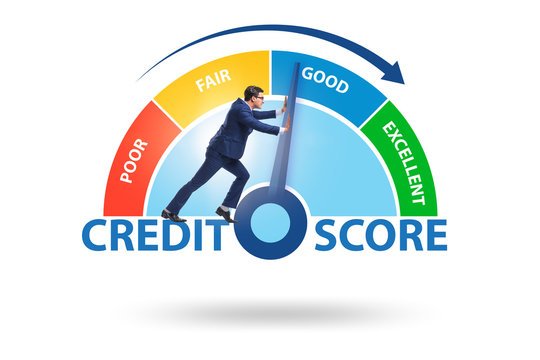
Learn how to improve your CIBIL score in India with 10 proven strategies. Discover tips to boost your credit score fast and increase loan approval chances.
How to Improve CIBIL Score in India (Step-by-Step Guide for 2026)
Introduction
Priya wanted to apply for a home loan. She had a stable job, good salary, and enough savings for the down payment.
But when the bank checked her CIBIL score, the result shocked her.
Her score was 642.
The bank rejected her loan application.
This situation is extremely common in India. Many people assume that earning a good salary automatically guarantees loan approval. In reality, banks rely heavily on credit scores to determine whether you qualify for loans or credit cards.
Your CIBIL score is one of the most important numbers in your financial life.
It affects:
- Personal loan approvals
- Credit card approvals
- Home loan interest rates
- Car loan eligibility
A high CIBIL score can save you lakhs of rupees in interest over time.
The good news?
Your credit score can be improved with the right strategies.
In this comprehensive guide, you’ll learn:
- What a CIBIL score is
- Why it matters
- 10 proven ways to improve your credit score
- Real-life examples
- Common mistakes that damage your score
Let’s begin.
Table of Contents
- What Is a CIBIL Score?
- CIBIL Score Range Explained
- Why CIBIL Score Is Important
- 10 Proven Ways to Improve CIBIL Score
- How Long Does It Take to Improve Credit Score?
- Real-Life Example of CIBIL Score Improvement
- Expert Tips for Maintaining a High Credit Score
- Common Mistakes That Damage Your Credit Score
- Frequently Asked Questions
- Conclusion
What Is a CIBIL Score?
A CIBIL score is a three-digit number that represents your creditworthiness.
It is generated by the Credit Information Bureau (India) Limited, which tracks your borrowing and repayment history.
Your score is calculated based on your:
- Loan repayment history
- Credit card usage
- Outstanding loans
- Credit applications
The score typically ranges from 300 to 900.
The higher the score, the more trustworthy you appear to lenders.
CIBIL Score Range Explained
Understanding score ranges helps you know where you stand.
| CIBIL Score | Meaning | Loan Approval Chances |
|---|---|---|
| 800 – 900 | Excellent | Very High |
| 750 – 799 | Very Good | High |
| 700 – 749 | Good | Moderate |
| 650 – 699 | Fair | Difficult |
| Below 650 | Poor | Very Low |
Most banks prefer a score of 750 or above.
Why CIBIL Score Is Important
Your credit score affects many financial opportunities.
1. Loan Approval
Banks check your credit score before approving loans.
Low scores often result in loan rejection.
2. Interest Rates
People with higher scores receive lower interest rates.
Example:
| CIBIL Score | Interest Rate |
|---|---|
| 780 | 10% |
| 650 | 16% |
Over a long-term loan, this difference can cost lakhs of rupees.
3. Credit Card Approvals
Premium credit cards usually require a high credit score.
4. Higher Credit Limits
People with better scores often receive higher credit limits.
10 Proven Ways to Improve CIBIL Score
Here are the most effective methods used by financial experts.
1. Pay All EMIs and Bills on Time
Payment history contributes 35% of your credit score.
Even a single missed EMI can negatively impact your score.
Tips
- Set automatic payments
- Use payment reminders
- Never delay EMIs
2. Maintain Low Credit Utilization
Credit utilization is the percentage of your credit limit that you use.
Example:
Credit limit = ₹1,00,000
Credit used = ₹70,000
Utilization = 70%
Experts recommend keeping utilization below 30%.
3. Avoid Multiple Loan Applications
Every loan application creates a hard inquiry on your credit report.
Too many inquiries can reduce your score.
Instead:
- Compare loans first
- Apply only when necessary
4. Keep Old Credit Cards Active
Your credit history length affects your score.
Closing old credit cards can reduce your score.
Instead:
Use them occasionally for small purchases.
5. Check Your Credit Report Regularly
Sometimes credit reports contain errors.
Examples include:
- Incorrect loan records
- Duplicate entries
- Wrong payment status
Correcting these errors can increase your score quickly.
6. Avoid Settling Loans
Loan settlements negatively affect your credit report.
Banks may mark the account as “settled” instead of “closed.”
This indicates financial distress.
Always try to fully repay loans.
7. Diversify Your Credit Mix
Credit mix includes:
- Credit cards
- Personal loans
- Home loans
- Auto loans
A healthy mix improves your score.
But don’t take unnecessary loans just to diversify.
8. Increase Your Credit Limit
Higher limits reduce credit utilization.
Example:
Credit used = ₹30,000
Limit = ₹1,00,000 → utilization = 30%
Limit = ₹2,00,000 → utilization = 15%
Lower utilization improves scores.
9. Become an Authorized User
If a family member has a good credit history, you can become an authorized user on their credit card.
This can positively influence your score.
10. Pay Off Outstanding Debt
High debt reduces your score.
Prioritize paying off:
- Credit card balances
- Personal loans
- Short-term debts
Debt reduction gradually increases your credit score.
How Long Does It Take to Improve a CIBIL Score?
Improving your score takes time and consistency.
Typical timeline:
| Action | Time to Impact |
|---|---|
| Correcting report errors | 30–45 days |
| Paying off credit card balances | 1–3 months |
| Building positive payment history | 6–12 months |
Significant improvements usually occur within 6 to 12 months.
Real-Life Example of Credit Score Improvement
Let’s consider a real scenario.
Case Study: Rahul
Initial score: 620
Problems:
- High credit card utilization
- Missed EMI payments
- Multiple loan applications
Actions he took:
- Paid all overdue EMIs
- Reduced credit card usage to 25%
- Avoided new loan applications
After 9 months, his score increased to 748.
This allowed him to qualify for a lower-interest personal loan.
Expert Tips for Maintaining a High CIBIL Score
Financial advisors recommend these habits.
1. Track Your Credit Score Every 3 Months
Regular monitoring helps detect issues early.
2. Avoid Using Full Credit Limits
Keep utilization low to maintain a strong score.
3. Maintain Long-Term Credit Accounts
Older accounts increase credit history length.
4. Avoid Loan Defaults
Loan defaults severely damage credit profiles.
Common Mistakes That Damage Your Credit Score
Many people unknowingly reduce their credit scores.
1. Missing Credit Card Payments
Even one missed payment can drop your score.
2. Maxing Out Credit Cards
Using 90–100% of your credit limit signals financial stress.
3. Closing Old Credit Cards
This reduces credit history length.
4. Ignoring Credit Report Errors
Mistakes in credit reports can harm your score.
5. Applying for Too Many Loans
Frequent loan applications reduce creditworthiness.
Frequently Asked Questions
1. What is a good CIBIL score in India?
A score above 750 is considered excellent for loan approvals.
2. How can I check my CIBIL score for free?
Many banks and financial platforms allow users to check their score once per year for free.
3. Does checking my CIBIL score reduce it?
No.
Checking your own score is a soft inquiry and does not affect it.
4. Can I improve my CIBIL score quickly?
Yes, by paying overdue bills and reducing credit utilization.
But significant improvements usually take several months.
5. How often does CIBIL update scores?
Credit scores are typically updated every 30–45 days.
6. Does closing a loan improve CIBIL score?
Yes, if the loan is fully repaid and marked as “closed.”
7. What happens if my CIBIL score is below 600?
Loan approvals become very difficult, and lenders may offer higher interest rates.
Conclusion
Your CIBIL score is one of the most important financial indicators in India.
A strong credit score can help you:
- Get loans easily
- Secure lower interest rates
- Access premium credit cards
- Improve financial credibility
To maintain a high credit score:
- Pay bills on time
- Keep credit utilization below 30%
- Avoid unnecessary loan applications
- Monitor your credit report regularly
With disciplined financial habits, you can gradually build a strong credit profile and unlock better financial opportunities.
Disclaimer:
This article is for educational purposes and should not be considered financial advice.


