 (+91) 9445444862
 Info@indbiz.in


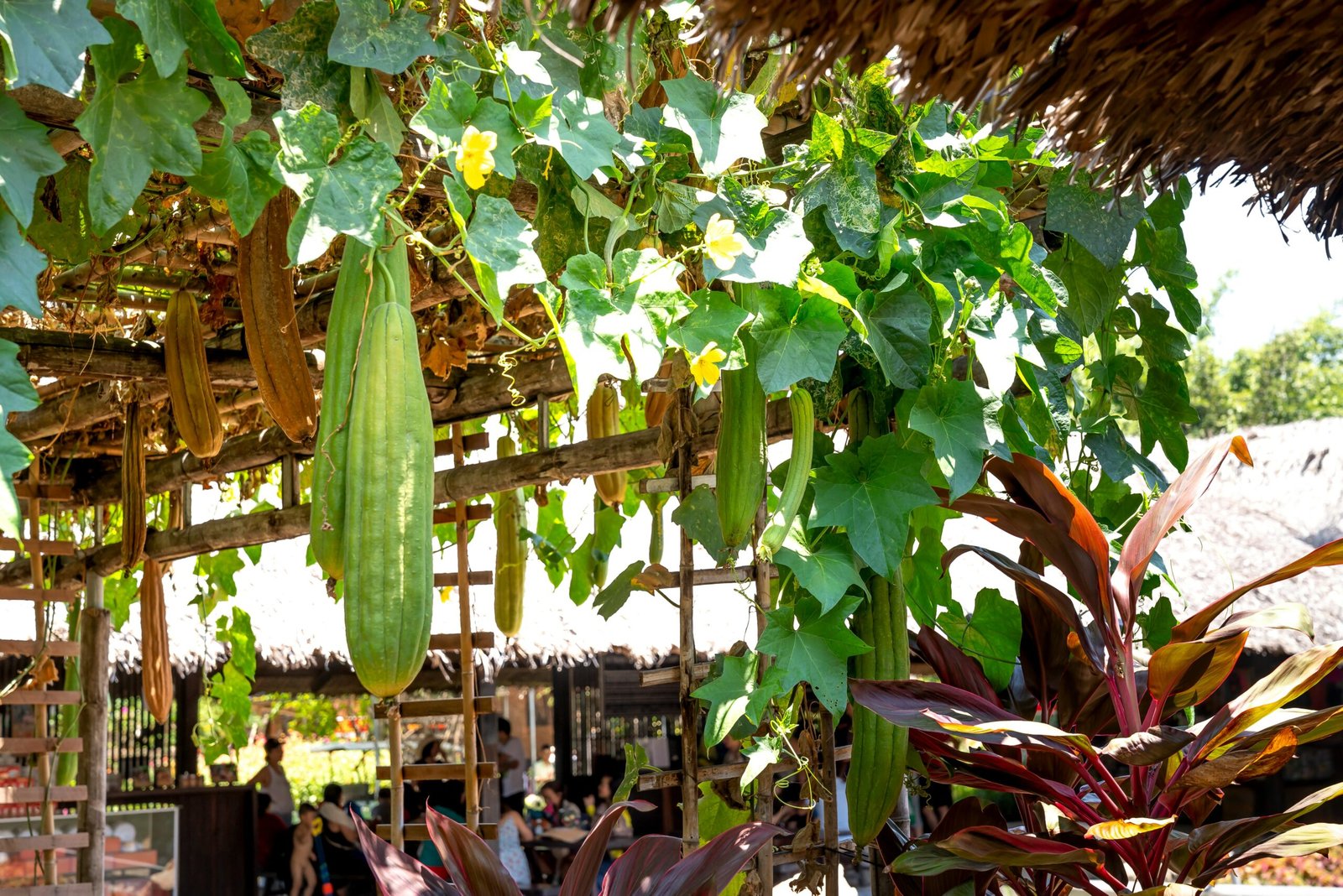
There is a particular kind of vegetable that sits in the market without any fanfare. No special display, no premium pricing, no health food brand trying to sell it in a powder. It just lies there in a pile — long, green, ridged along its length, slightly awkward to hold — while shoppers reach past it for something more familiar. Ridge gourd is exactly that vegetable. Deeply unglamorous. Completely unmarketed. And genuinely, quietly excellent for the human body in ways that most people who walk past it every week have never been told.
This is not a vegetable that has a reputation to defend or an image to overcome. It simply does not have an image at all. Ask most urban Indians under forty what they know about ridge gourd — called turai in Hindi, peerkangai in Tamil, beerakaya in Telugu — and the response is usually a vague recognition followed by the admission that they do not really cook it at home. It is the kind of vegetable their parents made occasionally, that they ate without complaint but without enthusiasm, and that somehow never made it into their own weekly shopping habit.
That gap between what ridge gourd offers and how little attention it receives is worth closing. Because once you understand what this vegetable actually does, and once you find one or two preparations that work in your kitchen, it earns a permanent place in the rotation in a way that goes beyond good intention.
First, What You Are Actually Buying
Ridge gourd belongs to the cucurbit family — the same broad plant family as cucumber, bottle gourd, bitter gourd, and pumpkin. It grows prolifically across India, particularly in the warmer months, which means it is cheap, locally sourced, and available without the environmental cost of cold storage and long-distance transport that out-of-season vegetables carry.
The vegetable has a distinctive appearance — long and cylindrical with sharp longitudinal ridges running down its length, dark green skin that is tough and fibrous and not eaten, and a pale, soft interior flesh that cooks quickly and absorbs surrounding flavours readily. The seeds inside young ridge gourds are soft and entirely edible. In older, larger gourds the seeds become harder and the flesh less pleasant — which is why choosing the right size at the market matters considerably.
The water content of ridge gourd is very high — roughly 95 percent — which immediately tells you several things. It is extremely low in calories. It is cooling in its effect on the body. It digests easily. And it will cook down significantly from its raw volume, which means you need more of it than you might initially think when preparing a dish.
What Ridge Gourd Does for the Body — Starting With the Obvious
Given its water content, the most immediate benefit of ridge gourd is hydration support. This matters more than it sounds, particularly in the Indian summer when ambient temperatures regularly exceed 38 to 40 degrees Celsius across large parts of the country and the body loses water and electrolytes through sweat at a rate that plain drinking water alone does not always compensate for adequately. Vegetables with high water content — ridge gourd, cucumber, bottle gourd, ash gourd — contribute to hydration in a form that also delivers minerals and is processed more slowly by the body than plain water, providing more sustained hydration support.
For people who struggle to drink enough water through the day — which includes a surprisingly large number of adults who are in a state of mild chronic dehydration without being aware of it — building hydrating vegetables into daily meals is a practical and effective complementary strategy.
But ridge gourd offers more than water. It contains dietary fibre in a form that is gentle on the digestive system — appropriate for people recovering from illness, for the elderly, for children, and for anyone with a sensitive gut who finds high-fibre vegetables like cabbage or broccoli difficult to tolerate. The fibre in ridge gourd is mild enough that it supports regular bowel movement and gut motility without creating the bloating or gas that more robust fibres sometimes cause.
The Liver Connection That Most People Miss
Ridge gourd has a specific traditional reputation as a liver-supportive vegetable that is worth taking seriously. In various regional cooking traditions across India, turai or peerkangai is specifically recommended during periods of illness, recovery, and digestive weakness — not just because it is bland and easy to eat, but because it was understood to support liver function and reduce the burden on a system that was already working hard.
Modern research has examined bitter gourd and bottle gourd more extensively than ridge gourd for hepatoprotective properties, but the traditional classification of ridge gourd alongside these vegetables in Ayurvedic and folk medicine systems suggests a related mechanism. The vegetable contains a range of antioxidants — flavonoids, saponins, and certain alkaloids — that are associated with reduced oxidative stress in liver cells.
For anyone who has recently recovered from jaundice, typhoid, or another illness that affects liver function, the traditional dietary advice of eating simple, easily digestible, liver-friendly vegetables like ridge gourd, bottle gourd, and ash gourd is not superstition. It reflects an understanding of what the liver needs during recovery — low fat load, easy-to-process nutrition, antioxidant support, and high water content to support the kidneys in flushing out metabolic waste.
Blood Sugar, Weight, and the Low-Calorie Advantage
A full cup of cooked ridge gourd contains somewhere between 15 and 20 calories. This is about as low as vegetables get. For anyone managing weight or blood sugar, this caloric profile combined with the fibre and water content makes ridge gourd an exceptionally useful food — it takes up significant volume in the stomach, contributes to satiety, and delivers real nutrition without adding meaningfully to caloric intake.
The fibre content slows gastric emptying and glucose absorption, which means that including ridge gourd in a meal reduces the glycaemic impact of the carbohydrates eaten alongside it. For diabetics and pre-diabetics this is a practical dietary tool — not a cure, not a replacement for medical management, but a sensible inclusion that makes the overall meal more blood-sugar-friendly.
The low calorie density also makes ridge gourd genuinely useful for people trying to eat more volume at meals without exceeding their caloric targets. Replacing a portion of rice or roti with a generous serving of ridge gourd sabzi provides bulk and satisfaction while significantly reducing the total caloric and carbohydrate load of the meal. This is a straightforward, practical swap that requires no special knowledge or expensive products.
Vitamins and Minerals — The Understated Nutritional Case
Ridge gourd does not have the concentrated micronutrient density of spinach or moringa. Its nutritional value is more diffuse — spread across several vitamins and minerals in moderate quantities rather than being exceptional in any single category. But this diffuse profile is precisely what makes it a useful regular addition to the diet rather than an occasional therapeutic food.
It contains vitamin C in useful quantities — supporting immune function and iron absorption from plant-based meals. It provides a modest amount of B vitamins including B6, which is involved in neurotransmitter production and energy metabolism. The magnesium content supports muscle function and sleep quality. The potassium contributes to blood pressure management in the same way that other potassium-rich vegetables do.
None of these individually make ridge gourd a standout. Together, in a vegetable that is cheap, seasonal, low-calorie, easy to digest, and available across most of the country, they make a very reasonable case for including it in the weekly rotation alongside more nutritionally dense vegetables rather than viewing it as an either-or choice.
The Skin and the Seeds — Two Parts Most People Throw Away
The skin of ridge gourd is tough, fibrous, and typically peeled before cooking. The peels are discarded without thought. This is a reasonable cooking choice — the peels genuinely do not eat well — but it is worth knowing that the skin contains a concentration of certain antioxidants and chlorophyll that is higher than in the pale interior flesh. Some people use the peeled skins to make a simple chutney — blended with coconut, green chilli, and a small amount of tamarind — which is a way of using what would otherwise be waste and getting the nutritional benefit of the outer layer.
The seeds in young ridge gourd are soft, edible, and entirely worth including rather than scraping out. They contain a small amount of additional protein and fibre. Only in very large, mature gourds do the seeds become hard enough to be unpleasant. In the slender, younger gourds that are the better choice anyway, the seeds are barely noticeable and add to the overall nutrition of the dish.
How to Cook Ridge Gourd Well — Because Most People Do Not
The main reason ridge gourd does not appear more often in home cooking is not any particular dislike of it. It is that most people have only eaten it prepared in one way — usually overcooked in a watery sabzi that has lost any texture and tastes of very little — and that experience has not encouraged further experimentation.
Ridge gourd cooked properly is a different experience. The key is not cooking it into submission. It needs medium heat, a short cooking time, and flavours assertive enough to work with its mild, slightly sweet base.
A dry ridge gourd preparation — turai ki sabzi made with a proper tempering of mustard seeds, cumin, dried chilli, and curry leaves, cooked on medium-high heat with a lid on only for the first few minutes and then off to let the moisture evaporate — produces a sabzi with some texture and concentrated flavour that bears little resemblance to the watery version that puts people off.
Ridge gourd cooked in a lentil base — added to moong dal or toor dal and pressure cooked together — is a combination that works extremely well. The dal thickens around the soft pieces of gourd, the flavours integrate fully, and what results is a dal that is simultaneously more filling and more nutritious than either ingredient alone.
In South Indian cooking, peerkangai is made into a coconut-based curry that is one of the genuinely excellent preparations for this vegetable — the richness of coconut balances the mild sweetness of the gourd, mustard seeds and curry leaves provide the aromatic base, and the result is a dish that is good enough to make you wonder why you were not eating it every week.
Ridge gourd chutney — made from the cooked flesh blended with roasted chana dal, coconut, green chilli, and tamarind — is a lesser-known preparation from Andhra and Telangana cooking traditions that is outstanding both in flavour and utility. It keeps for two days, works as an accompaniment to idli, dosa, or rice, and is a smart way to use ridge gourd when you have more of it than you can use in a single sabzi.
Choosing the Right Ridge Gourd at the Market
This matters more with ridge gourd than with many vegetables because the difference between a young, tender gourd and an old, fibrous one is significant enough to completely change the cooking experience.
Choose gourds that are slender rather than thick — no wider than about four to five centimetres in diameter. They should feel firm along their full length with no soft patches. The ridges should be sharp and well-defined rather than rounded and swollen, which is a sign of overmaturity. The skin should be dark, bright green rather than pale or yellowing.
Avoid very large ridge gourds. They look like they offer more value for money, but the interior flesh is typically spongy, the seeds are hard and unpleasant, and the overall eating quality is considerably lower than a smaller, younger specimen.
Ridge gourd does not keep as well as root vegetables. Buy it with the intention of using it within two to three days. Store it unwashed in the vegetable compartment of the refrigerator. Once cut, use the remainder within a day — the cut flesh oxidises and the texture deteriorates quickly.
Many local vegetable vendors and neighbourhood grocery delivery services carry ridge gourd reliably through the summer and early monsoon months when it is at its seasonal best. This is the period to build the habit of buying and cooking it regularly, when quality is highest and price is lowest.
FAQ
Q: Is ridge gourd safe to eat every day? Yes, for most healthy adults ridge gourd is completely safe for daily consumption. Its low caloric density, mild fibre content, and high water content make it one of the gentler vegetables for daily eating. People with kidney disease should be mindful of potassium intake from all vegetables including ridge gourd, but for healthy individuals there is no concern about eating it frequently.
Q: Can ridge gourd be eaten raw? The inner flesh can be eaten raw in small amounts — it has a mild, slightly sweet flavour similar to cucumber. However, very few traditional preparations use it raw because the texture improves considerably with cooking and the flavour develops more fully. Raw ridge gourd juice is sometimes consumed for its cooling and digestive properties, though the taste is quite bland and the practical adoption of this habit is limited.
Q: Is ridge gourd good for skin health? The vitamin C content supports collagen synthesis, and the high water content contributes to overall hydration — both of which influence skin health. Ridge gourd has also been used topically in some traditional preparations for cooling sunburned or irritated skin. The internal dietary benefit for skin comes primarily from the antioxidant and hydration contribution within a broader vegetable-rich diet.
Q: Why does ridge gourd sometimes taste bitter? Occasionally ridge gourd can develop a bitter taste due to the presence of cucurbitacins — the same compounds responsible for bitterness in bitter gourd and cucumber. This bitterness is more common in overripe or stressed plants. If a ridge gourd tastes noticeably bitter when you taste a small piece raw before cooking, discard it — cucurbitacin bitterness in cucurbits can cause digestive discomfort when consumed in quantity. This is rare but worth being aware of.
Q: Can I give ridge gourd to young children and infants? Ridge gourd is one of the vegetables commonly introduced during weaning because it is easily digestible, mild in flavour, and unlikely to cause allergic reactions. Cooked until very soft and mashed or pureed, it is appropriate from around eight months onwards. For older children it works well mixed into dal or made into a mild sabzi alongside their usual foods.
Conclusion
Ridge gourd will never be the vegetable that starts a conversation. It will not appear on a restaurant menu as a featured ingredient or get profiled in a wellness magazine as the next big superfood. It is too ordinary for that, too available, too inexpensive, too quietly useful to attract that kind of attention.
But that ordinariness is precisely what makes it valuable. It is a vegetable that can be bought every week without straining a grocery budget, cooked in twenty minutes without any special technique, eaten by everyone from young children to elderly family members with digestive sensitivities, and included in the diet as often as needed without any concern about excess.
The vegetables that do the most consistent work for everyday health are rarely the glamorous ones. They are the ones sitting in a pile at the market, slightly awkward to hold, waiting for someone to remember why their grandmother always bought them without having to think about it.
Ridge gourd is exactly that vegetable. It was always worth the attention. It just never needed to ask for it.


