 (+91) 9445444862
 Info@indbiz.in


Here is your next complete blog article, ready to copy-paste into WordPress:
Tomato — The Fruit We Cook Like a Vegetable and Understand Less Than We Think
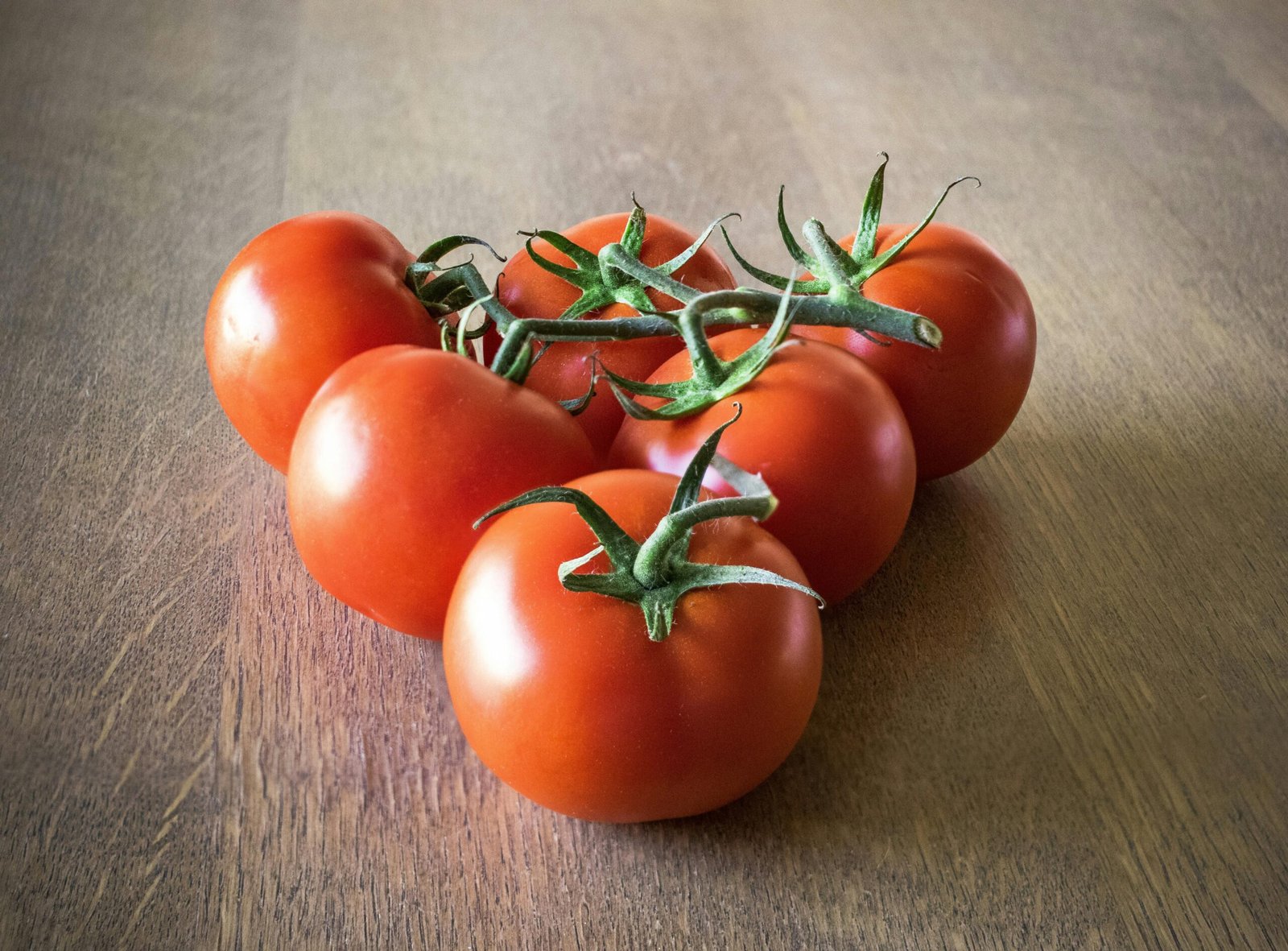
Ask anyone in an Indian kitchen what tomatoes are for and the answer comes quickly and confidently. Gravy. Base. That thing you add to make the masala come together. The tomato in most Indian cooking is infrastructure — essential, foundational, largely taken for granted, and almost never thought about on its own terms. It arrives in the kitchen by the kilogram, gets chopped or pureed or crushed into whatever is being made, and disappears into the dish without anyone giving it much individual consideration.
This invisibility is understandable. The tomato is so embedded in the architecture of Indian cooking that separating it out for examination feels slightly odd — like asking what air contributes to breathing. Of course tomatoes are in the masala. They have always been in the masala. The question of what they are actually doing there beyond flavour and body has simply never needed answering.
But it is worth answering. Because the tomato is doing considerably more than most people who cook with it every day realise. And understanding what it contains and how cooking affects those contents changes — in small but meaningful ways — how you use it, when you add it, how much you use, and why certain traditional preparation methods that seem arbitrary actually reflect a deep practical wisdom about getting the most from an ingredient that has earned its place at the centre of Indian cooking through more than just flavour.
A Fruit That Travelled Far to Become Essential
The tomato is not native to India. This fact surprises some people, because it is so thoroughly integrated into Indian cooking that imagining the cuisine without it feels almost impossible. But the tomato is a New World plant — it originated in western South America, was domesticated in Mexico, and arrived in India via Portuguese traders sometime in the sixteenth century. For perspective, the entire tradition of tomato-based Indian cooking — every dal tadka with tomatoes, every butter chicken, every sambar, every rasam — is built on an ingredient that has been in India for roughly four to five centuries, which sounds long until you consider that rice, lentils, and most Indian spices have been here for several thousand years.
The adaptation was rapid and total. Within a few centuries of its arrival, the tomato had become so central to Indian cooking that its relatively recent origin is now genuinely surprising information rather than something that registers as obvious. This speed of adoption reflects something real about the tomato — it has qualities that made it immediately and obviously useful to cooks working in the Indian spice and lentil tradition. The acidity that cuts through rich gravies. The body it adds to dal without heaviness. The way it absorbs and carries spice flavour. The natural umami that deepens the overall flavour of a dish. The tomato arrived and immediately made sense in a culinary context that had never seen it before.
Lycopene — The Compound That Changes With Cooking
The most studied and most discussed nutrient in tomatoes is lycopene, a carotenoid that gives tomatoes their red colour and that has been extensively researched for its antioxidant properties and its association with reduced risk of certain cancers, particularly prostate cancer, and with cardiovascular health.
Here is the thing about lycopene that most people do not know, and that directly affects how you should cook with tomatoes. Lycopene is more bioavailable — more accessible to the body — from cooked and processed tomatoes than from raw ones. This is the opposite of what most people assume about vegetable nutrients, and it is one of the more counter-intuitive facts in nutritional science.
The reason is structural. In raw tomatoes, lycopene is bound up in cell structures that the human digestive system breaks down inefficiently. When tomatoes are heated, these cell structures break down, releasing the lycopene in a form the body can absorb much more readily. Cooking in the presence of fat increases absorption further, because lycopene is fat-soluble and needs fat present to be transported from the gut into the bloodstream.
What this means practically is that the Indian cooking tradition of cooking tomatoes thoroughly in oil with spices — which is what every masala base does — is one of the most effective possible ways to prepare tomatoes for lycopene absorption. The long-cooked tomato base of a dal or curry delivers far more usable lycopene than a fresh tomato salad. Every grandmother who cooked tomatoes into the masala until the oil separated was, without knowing the biochemistry, maximising the antioxidant value of the tomato in exactly the way that nutritional science would now recommend.
Tomato paste, canned tomatoes, and cooked tomato preparations like rasam and tomato-based chutneys are all better lycopene sources than raw tomatoes, for this same reason. This is not an argument against eating raw tomatoes — they provide vitamin C and other nutrients that cooking reduces. It is an argument for not feeling that eating cooked tomatoes is somehow nutritionally inferior to eating them raw, which is a misconception that sometimes influences people into avoiding the cooking step in the name of preserving nutrients.
Vitamin C and the Cooking Paradox
Vitamin C is the significant casualty of cooking tomatoes. Unlike lycopene, vitamin C is heat-sensitive and degrades progressively with prolonged cooking. Raw tomatoes are a genuinely good source of vitamin C. By the time tomatoes have been cooked into a long-simmered masala, a significant proportion of that vitamin C is gone.
This creates a genuine trade-off in how tomatoes are used. Raw tomatoes — in salads, raita, cut and eaten with salt and chilli as a side — deliver vitamin C effectively. Cooked tomatoes deliver lycopene effectively. The practical resolution is to use tomatoes in both forms across the week rather than treating one preparation as superior.
A simple fresh tomato raita alongside a cooked tomato-based dal gives you both — the lycopene from the cooked tomatoes in the dal and the vitamin C from the raw tomatoes in the raita. This is not a nutritional strategy that requires planning or sophistication. It is just using the same vegetable in two ways in the same meal, which many Indian households already do instinctively.
Tomatoes also contain smaller amounts of vitamin K, potassium, and folate, as well as beta-carotene which the body converts to vitamin A. These are not exceptional quantities compared to dedicated sources of these nutrients, but they contribute to the overall dietary intake in a meaningful cumulative way given how frequently tomatoes appear in Indian cooking.
The Acidity Question — Who Should Be Careful
Tomatoes are acidic — their pH sits around 4, making them one of the more acidic common foods in the Indian kitchen. For most people this is completely irrelevant and causes no issues at any level of consumption. But for people who experience chronic acidity, gastro-oesophageal reflux, or are managing conditions like gastritis or peptic ulcers, the acidity of tomatoes can be a contributing factor to discomfort that is worth being aware of.
This does not mean eliminating tomatoes. For people with acid reflux, the practical approach is to be aware of quantity — a large amount of tomato-based gravy on an empty stomach will produce more symptoms than a modest amount as part of a balanced meal. Cooking tomatoes fully — until they are completely broken down and have released their liquid — reduces their effective acidity somewhat compared to partially cooked tomatoes. Adding a very small pinch of baking soda to a tomato-based preparation neutralises some of the acid without significantly affecting flavour, which is a technique used in certain restaurant kitchens.
For the vast majority of healthy adults, tomato acidity is not a concern and the nutritional benefits far outweigh any consideration of pH. This is a note for the minority of people who already experience acid-related symptoms rather than a general caution against eating tomatoes.
The Skin and Seeds — Two Parts Usually Discarded Without Thought
In restaurant cooking and in many home preparations, tomatoes are blanched, peeled, and deseeded before use, particularly in preparations where a smooth, refined texture is desired. From a flavour perspective this makes sense — the skin can be slightly chewy and the seeds contribute a subtle bitterness. From a nutritional perspective, it is worth knowing what is being removed.
The skin of the tomato contains a higher concentration of flavonoids and lycopene than the inner flesh. The quercetin and kaempferol — two flavonoids with anti-inflammatory properties — are concentrated in the outer layers of the tomato. Removing the skin removes a meaningful proportion of these compounds. For everyday home cooking where texture is less critical, leaving the skin on costs nothing in practical terms and retains nutritional value that peeling removes.
The seeds and the gel surrounding them contain a portion of the lycopene and also contribute to the glutamic acid content of the tomato — the naturally occurring compound related to MSG that contributes to the umami depth that makes tomatoes such an effective cooking ingredient. Removing seeds reduces both the nutritional content and somewhat the depth of flavour, which is why home cooking that does not bother with deseeding often produces richer-tasting results than more refined preparations that do.
The Tomato Varieties Available in India and Why They Are Not All Equal
The tomato sold in Indian markets is not a single thing. There are significant differences between varieties that affect both flavour and nutrient density, and most shoppers choose by price and availability without much awareness of what these differences mean.
The round, firm, slightly pale tomatoes that dominate most supermarkets and large vegetable vendors are typically commercial varieties selected for shelf life, uniformity of appearance, and resistance to damage during transport. They are grown to look good and last long, not to taste exceptional or have optimal nutrient content. The flavour is often mild to the point of blandness, and the lycopene content in pale, underripe commercial tomatoes is significantly lower than in deeply red, fully ripe fruit.
The smaller, irregularly shaped, deeply red tomatoes that appear in local markets — sometimes called country tomatoes or desi tamatar — are typically more flavourful, more acidic, and considerably richer in lycopene simply because they are allowed to ripen fully before harvest rather than being picked early and ripened artificially during transport. In South India, the small, intensely flavoured variety used specifically for rasam and certain chutneys is a completely different eating experience from a supermarket tomato and a different nutritional proposition too.
Cherry tomatoes, which are available in some urban markets, are among the most lycopene-rich varieties when fully ripe and are nutritionally excellent — but their price makes them a premium option rather than an everyday staple.
The practical implication is to prioritise deeply red, locally grown, fully ripe tomatoes over pale, uniform, large commercial varieties wherever the choice exists and the price difference is manageable. The flavour improvement alone justifies the preference, and the nutritional benefit is a bonus.
Tomato as Medicine in the Indian Kitchen Tradition
Before the language of lycopene and antioxidants existed, the tomato had already established a functional reputation in Indian household cooking that went beyond flavour. Rasam — the thin, heavily spiced tomato-based broth of South Indian cooking — was specifically prepared for people who were unwell, had no appetite, were recovering from fever, or had digestive distress. The combination of tomato, tamarind, black pepper, cumin, garlic, and dried chilli in rasam creates a preparation that stimulates appetite, supports digestion, clears nasal congestion through the volatile compounds in pepper and chilli, and provides hydration and electrolytes in a form that a sick person can tolerate and absorb easily.
This is not a coincidental collection of ingredients. Each component is doing specific work. The tomato provides acidity that stimulates digestive enzyme production, vitamin C that supports immune response, and lycopene that reduces oxidative stress. The black pepper provides piperine that enhances absorption of multiple compounds. The garlic provides allicin with antimicrobial properties. The cumin supports digestive enzyme activity and reduces gas. The tamarind provides additional acidity and electrolytes.
Rasam as a cold and flu remedy is folk medicine that works. Not because any individual ingredient is a cure, but because the combination addresses several dimensions of what the body is dealing with during illness simultaneously — poor appetite, digestive sluggishness, immune stress, dehydration, and the inflammatory response — in a preparation that is also genuinely pleasant to eat when nothing else sounds appealing.
Understanding rasam in these terms changes how you think about making it. It is not just a thin soup for when the dal and rice feel too heavy. It is a functional preparation that deserves to be made well and eaten regularly rather than reserved only for illness.
Growing Tomatoes at Home — Why It Is Easier Than You Think
This is a small digression but a worthwhile one. Tomatoes are among the easiest vegetables to grow in a home setting — in a pot on a balcony, in a small kitchen garden, even in a grow bag on a terrace. They require sunlight, reasonable watering, some support for the stems as they grow, and very little else. A single plant produces fruit over several weeks, and home-grown tomatoes ripened fully on the vine before picking are nutritionally and flavour-wise in an entirely different category from market tomatoes of any variety.
For households with any outdoor or balcony space, a tomato plant is one of the higher-return small-scale gardening investments available. The seeds are inexpensive, the plants are available at most nurseries, and the experience of cutting a fully ripe, home-grown tomato into a dal or salad — where the flavour is intense and unmistakably different from anything purchased — is one of the more direct demonstrations available of what a vegetable can be when it is allowed to develop fully.
Practical Notes for Getting More From Tomatoes Every Day
Cook tomatoes longer than you think necessary in the masala base. The point at which the oil separates from the tomato mixture — the moment most recipes describe as tomatoes being “done” — is the point at which the cell structure has broken down enough for lycopene to be released most effectively. Rushing this step by moving on before the oil separates produces a dish that is fine in terms of flavour but not getting the most from the tomato nutritionally.
Add a small amount of fat to every tomato-based preparation. This is already built into Indian cooking through the oil in the tempering and masala, but for preparations where the fat content is being deliberately reduced — thin rasam, tomato soup, certain light curries — a small drizzle of good oil added at the end maintains the fat-soluble nutrient absorption that would otherwise be reduced.
Eat some raw tomatoes every week alongside cooked ones. A simple salad of sliced tomato with onion, green chilli, coriander, and lemon juice — a preparation that appears on every thali table across India without anyone needing to be told to put it there — delivers vitamin C, potassium, and raw flavonoids that complement what the cooked tomatoes in the rest of the meal are providing.
Use the entire tomato in everyday cooking. Leave the skin on for sabzi and dal preparations where it will break down during cooking. Include the seeds and the gel around them in any preparation where texture is not a critical concern. Save the liquid from chopped tomatoes — that juice contains lycopene and glutamic acid and should go into the pot rather than down the drain.
Store tomatoes at room temperature rather than in the refrigerator. Cold temperatures slow the ripening process and suppress the enzyme activity that develops lycopene and flavour. A tomato that has been refrigerated before it is fully ripe will never fully develop its potential flavour or lycopene content. Only fully ripe tomatoes that will not be used for several days should be refrigerated, and even then they should be allowed to return to room temperature before eating for best flavour.
FAQ
Q: Are canned tomatoes as nutritious as fresh ones? In terms of lycopene specifically, canned tomatoes are often more nutritious than fresh supermarket tomatoes because they are typically processed at peak ripeness when lycopene content is highest. The canning process involves heat that further increases lycopene bioavailability. Vitamin C is reduced by the processing but lycopene, potassium, and other heat-stable nutrients are well preserved. Good quality canned tomatoes are a perfectly respectable nutritional choice when fresh ripe tomatoes are unavailable.
Q: I have been told tomatoes worsen arthritis. Is this true? Tomatoes belong to the nightshade family, and there is a persistent belief that nightshade vegetables worsen inflammation in arthritis. The evidence for this is weak and inconsistent — large-scale studies have not found a clear causal link between tomato consumption and arthritis flare-ups. Some individuals report sensitivity to nightshades and find that eliminating them reduces their symptoms. If you notice a consistent personal connection between tomato consumption and joint symptoms, an elimination trial is reasonable. For people who notice no such connection, the anti-inflammatory compounds in tomatoes — including lycopene and other antioxidants — likely provide more benefit than harm.
Q: How many tomatoes per day is a reasonable amount? Two to three medium tomatoes daily — used across cooking in the normal Indian way — is a reasonable and nutritionally beneficial amount for most healthy adults. There is no upper limit that applies to the general population, though people with kidney stones related to oxalate or with acid reflux may want to moderate intake based on their individual response.
Q: Does tomato colour indicate nutrient content? Yes, directly. The red colour of tomatoes comes from lycopene — deeper red colour means higher lycopene content. Pale, orange, or pink tomatoes have lower lycopene levels. Yellow tomatoes contain different carotenoids — primarily lutein — rather than lycopene, so they are nutritionally different rather than inferior. For lycopene specifically, the deepest red, most fully ripe tomatoes provide the most.
Q: Is tomato juice a good way to get tomato nutrition? Commercial tomato juice is a reasonable source of lycopene and potassium but often contains significant added sodium — check labels before buying. Home-made tomato juice or blended tomato provides the nutrition without the sodium load. Cooking the tomato before juicing rather than juicing raw tomatoes increases lycopene bioavailability for the same reasons that apply to cooking generally.
Conclusion
The tomato has been in the Indian kitchen long enough to have earned the status of an ingredient so familiar it stops being seen. It is the base, the gravy, the background. It is what gets added without thought because it has always been added, because the dish does not work properly without it, because that is simply how cooking is done.
What this familiarity has obscured is the fact that the tomato is a genuinely exceptional ingredient — not just culinarily but nutritionally. The lycopene that heart health and cancer prevention research keeps returning to. The vitamin C that supports immune function. The potassium that manages blood pressure. The antioxidants in the skin that are discarded without thought. The rasam that a grandmother made specifically because she understood, in her own language and framework, what it did for a body that was struggling.
None of this requires buying different tomatoes or cooking in a fundamentally different way. It requires understanding what is already happening in the pot and making small, deliberate choices that get more from it — cooking the masala longer, keeping the skin on, eating some raw alongside the cooked, storing them at room temperature, and choosing deeply red local varieties when they are available and affordable.
The tomato has always been doing its job quietly and thoroughly. It helps to know what that job actually is.


